


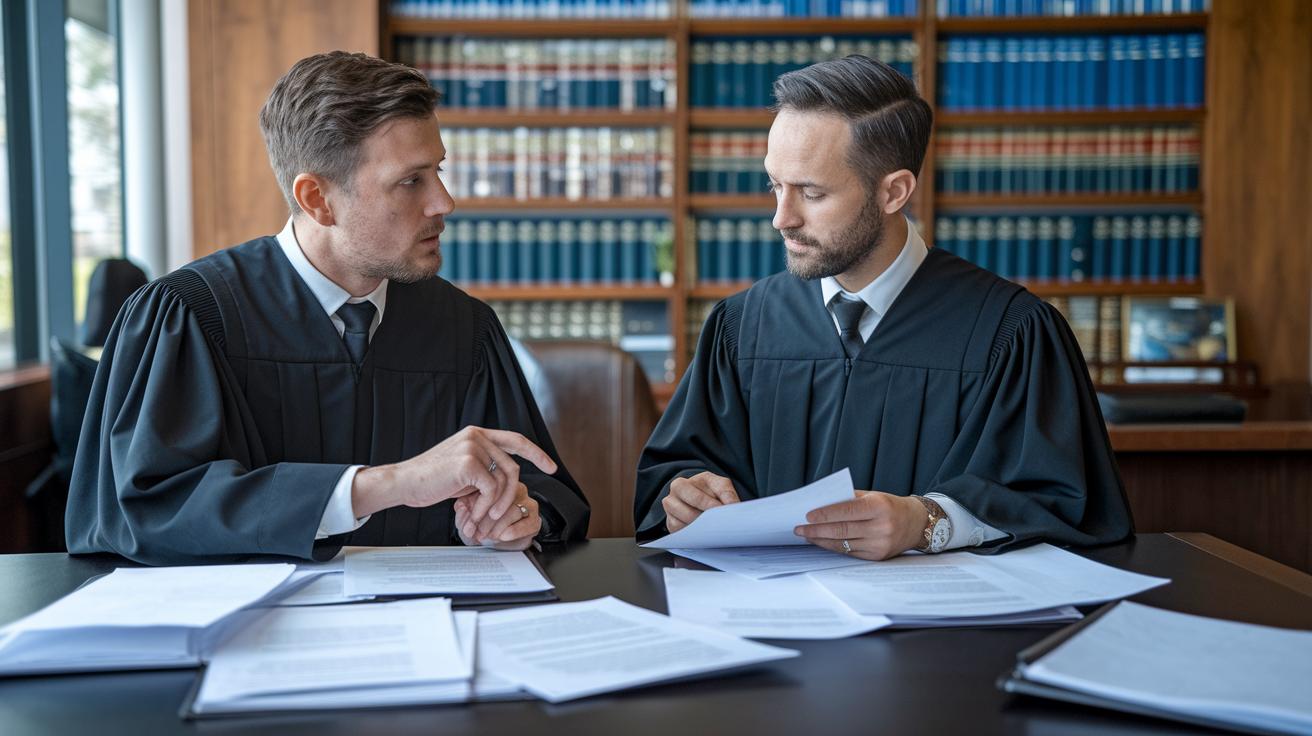
Do you think an old legal case can still affect how we work today? Recent decisions by the U.S. Supreme Court and fresh laws in places like Saskatchewan and New York show that labor law is always evolving. These updates prove that long-standing rules and new rulings come together to shape our workplace rights and duties. Stay with us as we walk you through these changes and what they mean for both workers and employers.
Top Federal and State Labor Law Legal News Updates

On May 22, 2025, the U.S. Supreme Court decided that NLRB Member Gwynne Wilcox can’t go back to her seat while she challenges her termination. This ruling leans on a classic case from 1935, Humphrey’s Executor v. U.S. (a landmark case confirming that old legal principles still shape today’s rules), proving how longstanding ideas guide modern labor issues. It’s fascinating, right?
In Saskatchewan, big changes were made on May 13, 2025. The province passed new laws, the Workers’ Compensation Amendment Act and the Employment Amendment Act, that shift the balance of workers’ rights and employer duties. Meanwhile, New York made a significant move by passing the No Severance Ultimatums Act in its State Senate, aiming to ensure fairer treatment when employees are let go.
Employers, be sure to mark your calendars: the Annual EEO Public File Report is due on June 1, and the submission for the 2024 EEO-1 Component 1 is due by June 24, 2025. These dates are crucial if you want to keep up with the ever-changing landscape of labor laws.
For more updates on these important legal changes, visit recentlegalnews.com?p=2495. Staying current helps make sure your workplace remains fair and in line with the rules.
Detailed Court Rulings and Judicial Analysis in Labor Law

The recent U.S. Supreme Court decision in the Wilcox case has everyone talking in labor law. Even though the case takes its cue from a landmark decision made almost a century ago in Humphrey’s Executor v. U.S. (check out what is a landmark ruling for a closer look), it reminds us that old cases can still shape today’s legal debates. The ruling shows just how important it is to follow past decisions when judges review new cases.
A federal district court has also taken a strong step by removing part of the final rule under the Pregnant Workers Fairness Act concerning elective-abortion accommodations. This careful move signals that judges are cautious about rules they believe might force employers into overly strict policies. Just imagine a company suddenly facing a legal challenge because one sentence in its policy doesn’t match current judicial expectations. It really shows that judges are willing to revisit such rules to avoid unnecessary legal risks.
In another significant decision, an Illinois district court has given the green light to a class action lawsuit over an employer’s mishandling of genetic information. This case is a wake-up call for businesses about the dangers of misusing sensitive data. Here, courts work hard to maintain a fair balance between letting employers manage their policies and protecting employee privacy. It’s like finding that perfect balance on a tightrope.
These cases don’t just affect one issue here or there, they change the broader landscape of labor law. They even influence how bodies like the NLRB keep control, potentially paving the way for future changes in how labor disputes are handled. For more details on these ongoing legal developments, you can check out legal case news. Each decision adds a new layer to the evolving picture of legal accountability and risk management in the workplace.
State and Local Labor Law Regulatory Updates

In Massachusetts, new rules make hiring more open. Now, employers must clearly notify candidates if they will face any lie detector tests (a method used to check if someone is telling the truth). For example, one small Boston firm discovered that warning applicants upfront helped reduce dishonest applications.
Over in Washington State, fresh measures are in place too. The new law lets employees directly access their personnel records (the files that detail your work history) and improves WARN-act layoff notices (warnings provided before major workforce cuts). Imagine being able to quickly check your own records, this builds trust and strengthens workplace relationships.
Meanwhile, Oregon is stepping up protections for older workers. Lawmakers have tightened rules that prevent age-related questions during the interview process for apprenticeships (jobs where you learn on the job). This change helps ensure that your experience matters more than your age.
New Jersey is also making headway by updating how independent contractors are defined. The new rules clearly outline who qualifies as an independent contractor, which makes it easier for both employers and workers to understand their roles and responsibilities.
Don’t overlook the important deadlines. Employers need to keep a careful watch on due dates for EEO-1 submissions and Annual Public File Reports. Staying on top of these deadlines helps companies follow the rules and avoid any penalties.
Overall, these updates are modernizing labor practices across the states, ensuring that the rules keep up with today’s ever-changing work life.
Federal Labor Law Enforcement Initiatives and Administrative Actions
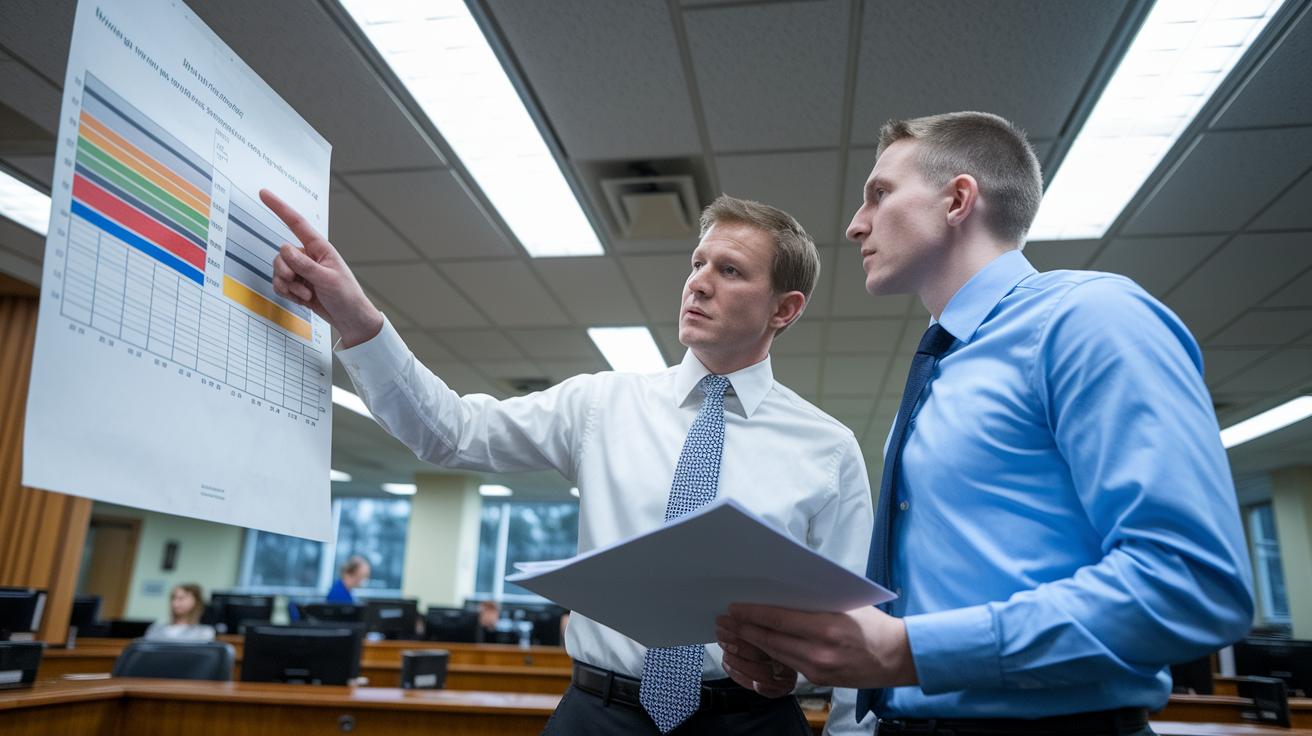
The Department of Justice has kicked off its Civil Rights Fraud Initiative. It uses the False Claims Act (a law that lets the government recover money lost to fraud) to ensure companies follow civil rights and DEI rules. Imagine getting a warning that just one mistake could spark an investigation, that’s the new standard.
The Equal Employment Opportunity Commission isn’t taking a break either. They’ve updated the EEO-1 data collection process to catch unequal effects (when workplace practices impact different groups in unfair ways). Think of it like tweaking a tool so even the smallest error gets noticed.
At the National Labor Relations Board, the Acting General Counsel has put out new remedial-relief guidelines. These guidelines offer clear steps for companies to fix problems before they grow into bigger legal issues. It’s like having a playbook with precise moves to handle risks.
Federal courts are joining the conversation too. They recently shared opinions on adjustments to PWFA rule accommodations and WARN (Worker Adjustment and Retraining Notification) enforcement. Even a small change in company policy might be the deciding factor between staying on the right side of the law or not.
Technology-Driven Labor Law Developments and Digital Workplace Trends

The digital shift in labor law is changing how companies meet legal rules. Today, people talk a lot about using AI in hiring. Imagine an HR manager using an AI tool to go through thousands of resumes. If someone questions how the tool makes choices, it could lead to a legal headache. One company recently discovered that a mistake in their AI screening process brought unwanted scrutiny for possible bias.
Tech companies are stepping in to take some of the pressure off. For instance, ComplianceHR offers a suite that automatically checks compliance with new laws. Meanwhile, Littler Edge gives employers access to a collection of legal documents like employment guides and ready-to-use policy templates created by lawyers. Then there’s CaseSmart, which not only helps with compliance but also lets companies address legal risks before they become big problems. Littler onDemand is also available, providing real-time answers to legal questions so that urgent issues get the quick attention they need.
HR professionals and managers are getting in on the action too. They can now take part in training sessions that prepare them to use tech tools for modern labor rules. Imagine supervisors learning to handle labor disputes with digital tools that simplify the process, each session equipping them to deal with everyday challenges more effectively.
If you want to keep up with these exciting changes, stay informed about new legal tech tools and trends. To learn more, check out legal tech news.
| Platform | Feature |
|---|---|
| ComplianceHR | Automated compliance checks |
| Littler Edge | Downloadable legal documents |
| CaseSmart | Proactive legal risk management |
| Littler onDemand | Real-time legal Q&A |
Expert Commentary, Forecasts, and Industry Outlook in Labor Law

Littler’s 2025 Inclusion, Equity & Diversity C-Suite Survey offers fresh ideas about how businesses are changing their approach to diversity and inclusion. Survey participants show that companies are rethinking how they welcome everyone, which helps shape fairer workplace policies. One leader said, "A small change in policy can uplift an entire team’s morale." That simple remark shows how these adjustments can make a real difference.
WPI is making changes on many levels, globally, federally, and locally, by setting new standards for workplace rules. Their work makes sure that laws keep up with changes in society and the economy. This means companies now have clearer advice for updating their internal practices.
The upcoming rulemaking by the National Labor Relations Board (NLRB, which sets rules for worker organization) points to big changes in labor law, especially regarding worker representation and safety in work procedures. Experts think this new rulemaking might even reshape rights in the gig economy (a job market where people work temporary or freelance jobs). One analyst remarked, "Even minor regulatory tweaks can reverberate across millions of workers set up on flexible schedules." That shows just how far-reaching even small changes in law can be.
Meanwhile, remote work policies are also evolving. As more people work from home, legal experts expect new rules that better protect employees outside the traditional office. This change reminds us that as our work habits shift, our laws need to follow suit to keep everyone safe and treated fairly.
Final Words
in the action, this piece reviewed top labor law legal news update moments. It covered important federal rulings, state legislative changes, and key administrative actions that impact legal compliance. Judicial decisions were broken down with clear examples, and emerging digital workplace trends were outlined. Expert commentary added insight into the future of labor law. These updates help legal professionals build confidence and apply fresh insights in their practice. Stay informed and inspired as you keep building your legal expertise.
FAQ
Where can I find reliable updates on employment law and HR legal news?
Reliable updates come from sources like the Department of Labor news release, current labor law news articles, and HR legal outlets, which offer timely federal and state employment law updates, including Texas-specific trends.
What are recent changes in employment law?
Recent changes in employment law include updates from the U.S. Supreme Court, new state regulations, and revised deadlines for employer EEO reports that affect worker protections and employer responsibilities.
What is the new work hour law?
The new work hour law sets updated rules about scheduling, overtime, and breaks, aiming to better protect employee rights and clarify employer obligations regarding work-time practices.
What are the most common labor law violations?
Common labor law violations include wage and hour issues, discrimination claims, and failure to meet safety and compliance deadlines, situations that can result in legal penalties and fines.
What is the new labor law Andrias?
The new labor law Andrias introduces modifications to worker rights and employer procedures, emphasizing updates to severance, record-keeping, and equitable treatment in labor practices.