




Ever thought about how one memo could change legal aid for low-income communities? Recent funding cuts caught legal experts off guard and pushed emergency legal services into a tough spot. A federal judge stepped in to pause these cuts, sparking lively debates about how people get help in court. Some say it’s like a trial missing a key player, the one many depend on. Here, we break down the pause and explore what it might mean for clients and legal professionals working hard for a fair shot in court.
Federal Legal Aid Funding Pause and Update

Yesterday, the White House Office of Management and Budget sent out a memo that stops some federal legal aid grants. This news has clearly caught many people off guard and sparked lively discussions among legal professionals. For instance, low-income residents in Colorado might soon see fewer services as funds for emergency legal help and access to justice become uncertain. One lawyer remarked, "It's like watching a lifeline flicker in front of clients who desperately need it." Before this memo, emergency legal allocations played a vital role in supporting indigent defense cases across the state.
Earlier today, a federal judge stepped in to temporarily block the memo from taking full effect. This decision, noted in recent legal news updates (check out recentlegalnews.com?p=2495), has left many wondering when, or even if, the funding pause will really last. Legal experts are warning that if these delays go on, we might see lasting problems with service quality and availability. They are concerned that case backlogs could grow and that clients may face tougher challenges when trying to get the counsel they once depended on.
This pause marks a key turning point for emergency legal allocations, which are essential in protecting basic rights. Courts could soon face delays in scheduling, and legal aid groups are already brainstorming new ways to support those who rely on this help for a fair chance in court.
Impact on Access to Justice: Legal Aid for Indigent Defense Programs

The latest OMB directive has put a pause on grants for assigned counsel and litigation support. This hold-up is causing case backlogs and making it tougher for low-income folks to get into court. Think of it like a trial where the lawyer is missing the key play, they just don’t have the essential tools.
Now, nonprofit and pro bono groups are feeling the pinch too. A funding gap is making it hard for them to provide the public legal reviews that many depend on. Experts note that in several places, critical hearings are already facing delays. One even pointed out that some areas are seeing hearings pushed back by nearly a month, which really strains the legal defense system.
Mixing this new report with previous findings shows that every time grant funding is paused, the challenges in our justice system grow. Real-world examples point to the risk of breaking apart legal defense strategies because of the funding shortfall. For a closer look at legal services for those who need help, check out indigent legal services (https://humane.net?p=6656).
Colorado Legal Aid Funding Campaigns and State Response
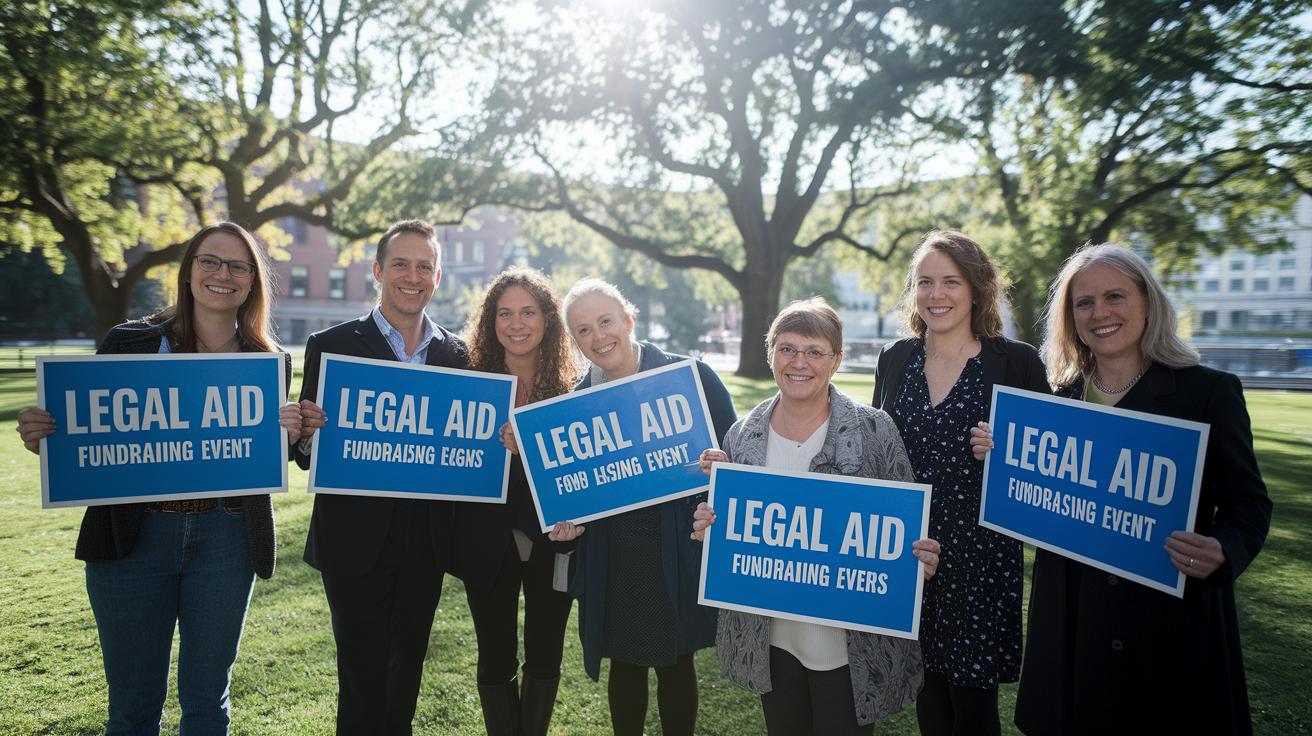
The Legal Aid Foundation of Colorado is getting the word out with its 2025 Associates Campaign, celebrating 100 years of Colorado Legal Services. This campaign marks a century of help and also asks the public to chip in funds for needed legal aid programs. One social media post even said, "Celebrating 100 years with action because legal help matters now more than ever."
A state-wide petition is stirring up attention by calling for a Colorado Equal Justice License Plate. This clever idea shines a light on the funding gaps many legal aid programs face and reminds us that more support for legal help is needed across Colorado.
Local events are also a big part of the plan. Recently, an Associates Campaign Social Hour brought community members together to share their personal stories about using legal aid services. Next up is the Associates Campaign Celebration, which promises to strengthen these connections and rally even more public support.
To add more resources, there are now more ways to donate through the King Soopers Community Rewards program. This plan turns everyday shopping into a chance to help fund legal services and community support, creating a strong local network to boost legal aid funding.
Annual Financial Report Insights for Legal Aid Funding

The Legal Aid Foundation has just released its 2023–24 Annual Report, which clearly shows where every dollar comes from and where it goes. This report is like a step-by-step map that explains incoming funds from grants and breaks down expenses into easy categories like program support, staff pay, and day-to-day costs.
They’ve included numbers that help us see how stable their funding is right now. One expert compared it to checking the nuts and bolts of an important system, reminding us why it’s so key for everyone to see how funds are managed. This clear look at the money supports trust in the foundation, even when funding gets tight. For more details on the rules behind these financial talks, see the legal updates at recentlegalnews.com?p=2925.
| Category | Amount | Details |
|---|---|---|
| Program Allocations | $1.2M | Direct legal services |
| Staffing Costs | $800K | Employee salaries and benefits |
| Administrative Overhead | $400K | Operational expenses |
This report sets the stage to understand future trends in legal aid funding, ensuring every dollar works to keep legal help accessible.
Organizational Leadership and Advocacy Efforts in Legal Aid Funding

On May 7 the Legal Aid Foundation refreshed its leadership by electing new board members and officers. This step shows a true commitment to government legal support reforms and sets a confident tone for future nonprofit support. In an exciting twist, Jordan Bates-Rogers took on a key role at COLTAF while Colorado Legal Services stepped up by naming Matt Baca as the new Executive Director starting in March 2023. One legal analyst said, "This leadership change is like adding skilled players to a team right before a key game," highlighting how these moves can really boost legal aid funding strategies.
Nonprofit organizations are busy recruiting for important roles, including an Executive Assistant, an Associate Director, and another Executive Director. They are filling these positions to ramp up advocacy funding notices and secure more public service investments for legal aid programs. Plus, the Hill & Robbins Public Interest Fellowship continues to support this cause by funding annual fellowships at rotating host programs, giving emerging legal professionals valuable real-world experience.
These leadership shifts and recruitment efforts work together to strengthen advocacy initiatives. In short, they build a strong framework designed to meet today's needs while preparing for tomorrow's challenges.
Final Words
In the action, we explored the federal legal aid funding pause and its impact on low-income communities. We covered challenges in indigent defense, state-level fundraising efforts, budget insights from the Annual Financial Report, and shifts in leadership driving advocacy. This legal aid funding legal news update brings clarity to current obstacles and potential improvements for legal aid services. Moving ahead, these efforts highlight positive changes that could boost access and support for those in need. Stay engaged and watch how these updates shape the legal aid landscape.
FAQ
What does the federal legal aid funding pause mean?
The federal legal aid funding pause refers to a recent White House memo that temporarily stops certain grant allocations. This creates uncertainty over grant timelines and limits access to services for low-income Coloradans. Read more on breaking legal news updates.
What impact does the funding pause have on access to justice?
The funding pause reduces essential resources for indigent defense programs, leading to increased case delays and higher barriers for low-income clients. This may affect litigation support and assigned counsel financing. More on indigent legal services.
How is Colorado addressing legal aid funding challenges?
Colorado is promoting public engagement through fundraising campaigns and outreach events to support legal aid. State initiatives, such as the Associates Campaign and public petitions, aim to raise awareness about funding shortfalls.
What insights does the annual financial report offer on legal aid funding?
The annual report details revenue sources and spending, providing a breakdown of expenses, program allocations, and operational costs. It offers transparency and insight into the sustainability of current legal aid funding models. More detail on legal regulatory updates.
What recent changes have occurred in legal aid leadership and advocacy efforts?
New board appointments and leadership roles have reshaped strategies in legal aid funding. These changes, along with ongoing fellowship programs, highlight efforts to strengthen advocacy and improve service delivery.