




Ever notice that some companies avoid expensive conflicts while others end up tangled in legal hassles? Knowing the basics of employment law (the rules that keep both workers and bosses safe) is like having a clear map for your rights at work. This guide walks you through how job contracts, pay details, and safety rules all work together to protect everyone. With plain definitions and real-life examples, you'll see how understanding your rights helps you make better choices on the job. Stay with me as we break it down step by step to create a fair work setting for everyone.
Core Definitions in Employment Law Basics

Employment law, sometimes called labor law, sets the rules for how bosses and workers get along. It covers things like contracts, pay, benefits, discrimination, harassment, workplace safety, firing, and union issues. In plain terms, these laws act like a clear set of guidelines to help everyone know what’s allowed and what isn’t at work. For instance, a company’s employment contract lists job duties and wages so that everyone knows what’s expected from the start.
Employment contracts may be written down, spoken aloud, or simply understood from actions. They form the backbone of your legal rights at work. Managers need to know these rules well to enforce workplace policies that follow the law while also protecting workers. Breaking these topics into small, clear parts can help both bosses and staff enjoy a fair and well-organized work setting.
- contracts
- pay
- benefits
- compliance (following rules)
- dispute resolution (solving disagreements)
Knowing these basic definitions gives you a solid foundation for making smart decisions at work. It helps managers confidently set and maintain legal policies, while employees get a better idea of when their rights might be threatened. This shared understanding makes it easier to create a workplace that is safe, efficient, and fair for everyone.
Rights and Obligations in the Workplace Under Employment Law Basics

At work, your rights are protected by law. You deserve fair pay, a safe place to work, and respect for your privacy. Employers show their commitment to you by setting clear rules about pay, safety, and how personal details are handled. For example, when a manager discusses new safety steps, it shows everyone that a secure work setting is a priority. Believe it or not, one missed safety rule once cost a company millions in fines, which really proves that every detail counts.
At the same time, you have duties that help the company succeed. You’re expected to stick to company rules, complete your tasks, and follow processes like tracking work hours and taking your scheduled breaks. Think of it like being on a sports team, everyone needs to follow the rules for the team to win.
Here’s a quick look at your rights and obligations:
| Rights | Obligations |
|---|---|
| Fair compensation | Follow company procedures |
| Safe and healthy work environment | Perform job duties reliably |
| Privacy at work | Adhere to wage and hour regulations |
Managers play a key role, too. They clearly explain the rules, offer training, and keep an eye on how these rules are followed. It’s all about connecting the rights the law gives you with the everyday practices at work.
Job Contract Fundamentals in Employment Law Basics

Employment contracts lay out the basic rules for what happens at work. They can be written down, talked about, or even shown through everyday actions. These agreements explain your job duties, how much you're paid, what benefits you get, and how long your job lasts.
Different types of contracts help everyone start off on the same page. Written contracts are easy to follow because they leave a clear record. Oral or implied contracts, on the other hand, depend on mutual understanding between both sides. Non-compete clauses (rules that keep you from working with competitors after leaving) and non-disclosure agreements (promises to keep certain information secret) protect company secrets and limit what you can do after your job ends. Fair interview practices also play a key role in making sure hiring is done correctly.
| Clause Type | Purpose | Key Considerations |
|---|---|---|
| Employment Agreement | Sets the work terms | Job duties, pay, benefits, duration |
| Non-Compete Clause | Limits work options after leaving | Time limits, geographic area |
| Non-Disclosure Agreement | Keeps company secrets safe | Definition of secrets, what must be kept confidential |
| Interview Guidelines | Ensures fair hiring | Screening methods, legal background checks |
When writing contracts, using clear, simple language is super important. Every rule should be explained so that anyone can understand the rights and duties it creates. Listing specific responsibilities, time frames, and limits on what you can do after leaving work can help avoid conflicts later on. Clear contracts, checked by legal experts, benefit both employers and employees by keeping expectations fair and easy to follow.
Preventing Harassment and Discrimination in Employment Law Basics

Workplaces need to be safe and fair for everyone. Federal law says you can’t treat someone badly because of their race, color, religion, gender, national origin, age, disability, or genetic information (this means any data about your genes). These rules help companies set up clear ways for reporting problems, teaching safe practices, and making sure everyone knows what behavior is expected.
Discrimination Laws
These laws protect people by stopping unfair treatment, like firing someone or not hiring them because of a protected trait. For example, a manager isn’t allowed to skip over a promotion just because an employee is older or has a disability.
Anti-Harassment Policies
Employers should spell out what kind of conduct is not allowed, how you can report problems, and make sure managers get regular training. Think of it like a playbook that everyone uses to keep the workplace fair and respectful.
Anti-Retaliation Protections
It’s important for employees who speak up to know they’re safe. These rules make sure that anyone who reports an issue or helps in an investigation doesn’t get punished later.
| Guideline | What It Means |
|---|---|
| Written Behavior Guidelines | Clear rules for how people should act at work |
| Reporting Channels | Simple steps to follow when reporting an issue |
| Routine Training | Regular sessions to keep everyone informed |
| Confidential Investigations | Keeping reports private during checks |
| Policy Updates | Changing rules to match new laws |
| Regular Reviews | Checking practices often to see if they work |
| Safe Feedback Channels | Easy ways to share ideas or concerns |
Good policies and clear steps can cut down on discrimination and harassment. When managers follow these guidelines, they help protect everyone’s rights and build a work environment where people feel safe and respected.
Pay, Hours, and Leave in Employment Law Basics

Minimum wage is the lowest legal hourly rate a worker can earn. This rate can change from state to state and may even vary based on factors like a person’s age or the size of the business. Overtime rules say that if you work extra hours beyond your usual schedule, you must be paid more. For example, putting in extra time might get you one-and-a-half times your normal rate to reward your hard work.
The Fair Labor Standards Act (FLSA, the federal law that sets overtime pay rules) is what guides these overtime rules. Managers need to track work hours accurately and calculate extra pay the right way to stay on the right side of the law. This careful recordkeeping is key, especially during busy periods or when deadlines are looming, because extra hours tend to pile up.
- FMLA: offers up to 12 weeks of unpaid leave for family matters
- Sick leave: taken for health-related issues
- Vacation: paid time off for rest and relaxation
- Parental leave: time off for new parents after childbirth or adoption
- Emergency leave: time off for sudden, urgent personal matters
- Jury duty: paid time off for serving on a jury
| Type of Pay/Leave | Eligibility | Key Requirements |
|---|---|---|
| Minimum Wage | All employees | Must meet state-specific standards |
| Overtime Pay | Non-exempt employees | Hours over standard limits, typically 1.5x rate |
| Paid Leave | Employees meeting tenure criteria | Supported by documentation and company policy |
Making sure benefits follow the law means balancing legal requirements with what works best for the business. Managers must regularly update policies and training, check work hours and confirm who qualifies for leave, and keep solid records that prove the rules are being followed. Being clear about these guidelines helps avoid mistakes and creates a workplace where everyone understands and respects their rights.
Health, Safety, and Compliance in Employment Law Basics

OSHA lays out simple rules to keep workplaces safe. They require regular danger checks, ongoing training for staff, and the proper protective gear. Think of it as a handy checklist every business uses to protect its people.
Sometimes, state and local rules go even further than OSHA. Managers often see that these local rules call for extra training or more safety equipment. So, staying informed about both federal and local guidelines is key to avoiding fines and preserving a safe work environment.
Privacy is also a big deal. With strict surveillance policies and social media rules, employers must clearly explain how they collect and share data. This way, worker privacy is respected while safety and compliance stay on track.
| Conduct regular risk assessments |
| Provide ongoing employee training |
| Ensure proper use of protective equipment |
| Maintain up-to-date surveillance guidelines |
| Execute frequent compliance audits |
Keeping up with these steps means reviewing your procedures and tweaking them as new rules come along. It’s all about making sure that safety and clarity remain top priorities for everyone.
Resolving Disputes and Legal Remedies in Employment Law Basics

When an employee is let go, companies need to follow clear rules. They must keep detailed records about any performance issues, give proper notice, and stick strictly to company policies. If these steps aren’t followed, the dismissal might be seen as unfair. That means the worker could file a wrongful termination lawsuit (a legal claim that they were fired unfairly), ask to get their job back, or seek money as compensation.
Both bosses and workers should know what to do when disagreements about a firing come up. Here are some common ways to handle these disputes:
- File a complaint: Put your concerns in writing to your employer.
- Mediation: Bring in a neutral helper to guide both sides to a fair agreement.
- Arbitration: Use an independent decision-maker (like a referee) who gives a final ruling that both sides must follow.
- Litigation: If none of these methods works, take the issue to court for a formal decision.
When to Consult a Lawyer
If you see that the firing process wasn’t handled correctly or if the paperwork is missing details, it’s a good idea to talk with a lawyer. A lawyer can be especially helpful when the company’s in-house ways of solving disputes haven’t worked, particularly if there’s a lot of money or reputations at risk. An employment lawyer (a lawyer who handles work-related legal issues) can simplify tough talks, explain the rules clearly, and help protect your rights.
Following best practices to handle disputes not only eases tension at work but also builds trust. Keeping detailed records and sticking to set procedures gives everyone a fair path to resolve disagreements.
Union Membership and Collective Bargaining in Employment Law Basics
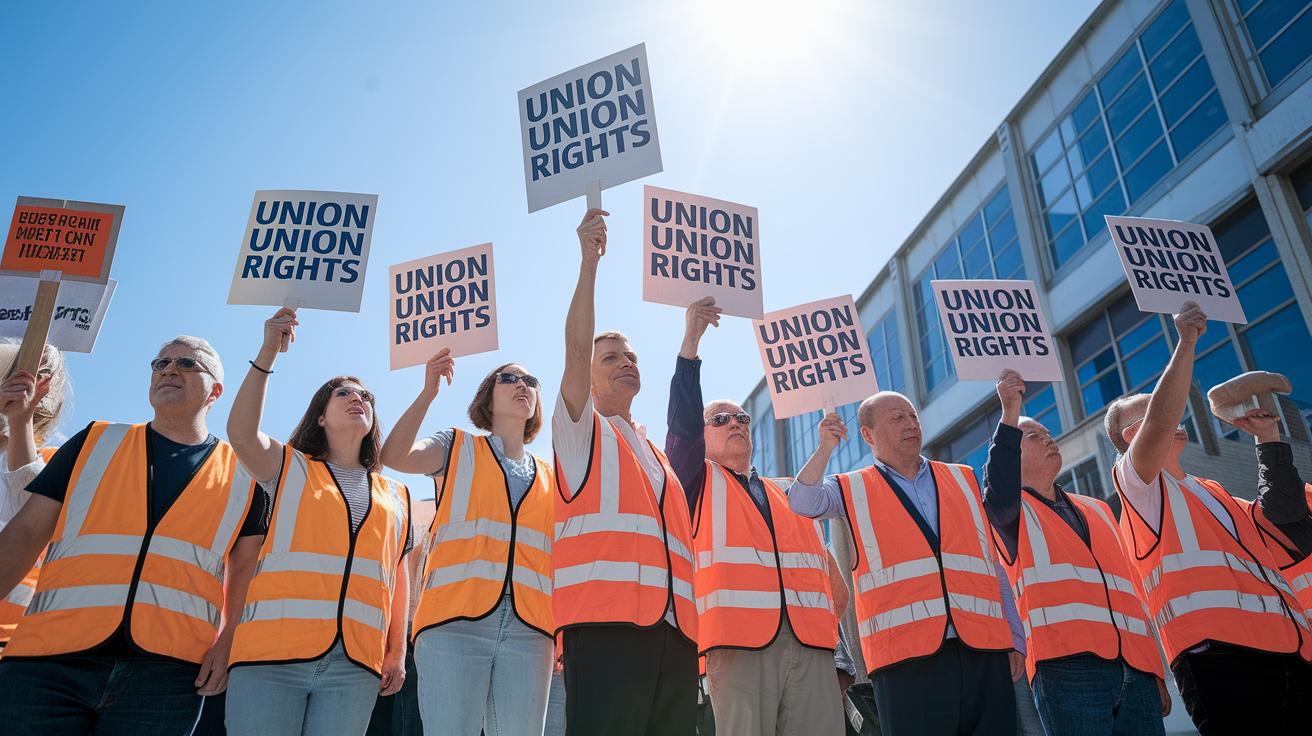
Workers can join or start a union without worrying about getting punished. This legal protection lets employees come together to speak up about fair wages, work hours, benefits, and safe working conditions.
- Organize: Team up with coworkers to form a union.
- Bargain: Work together to negotiate better job terms.
- Strike: Stop working to push for needed changes.
- Protected communications: Speak freely with union reps without fear.
- Fair representation: Get equal support during union activities.
The Collective Bargaining Process
In collective bargaining, union reps sit down with employers to talk through important issues. First, each side gathers their facts and builds their case. Then, they discuss and look for common ground, and finally, they vote on any agreement they reach.
Today’s unions not only help improve work conditions and secure rights, they also offer a clear way for workers to share their concerns. They act as a trusted bridge between employees and key decision-makers, making sure every voice is heard.
Final Words
In the action, this guide walked through essential definitions and workplace rights, job contract basics, safe practices, and dispute resolution steps. Each section breaks down complex topics into clear, everyday language that builds a solid foundation for practical legal work. The discussion covered everything from anti-discrimination measures to union membership dynamics, ensuring you have a straightforward view of these legal principles. Keep building on this knowledge and strengthen your confidence in understanding employment law basics.
FAQ
Q: What are the three most important HR and employment laws?
A: The three most important HR and employment laws typically address anti-discrimination, wage and hour requirements, and workplace safety regulations. These laws form the backbone of employee protection and fair work standards.
Q: What are the five major kinds of employment laws?
A: The five major types of employment laws typically cover contracts, wage and hour rules, benefits, workplace safety, and anti-discrimination or harassment policies, ensuring fairness and protection for all workers.
Q: What laws protect employees in the workplace and what are federal employment laws?
A: Employment laws protecting workers include federal statutes such as the Fair Labor Standards Act, the Americans with Disabilities Act, and OSHA regulations, which enforce safe conditions, fair pay, and equal treatment in the workplace.
Q: What are some employment law examples and explanations?
A: Employment law examples include wage laws mandating minimum and overtime pay, anti-harassment laws defining and preventing unwanted conduct, and safety rules under OSHA that require risk assessments and protective measures on the job.
Q: How does employment law and compliance in HR work?
A: Employment law and compliance in HR involve following legal standards on equal opportunity, workplace safety, and fair pay practices. HR departments ensure internal policies align with regulations to minimize legal risks.
Q: What is the basic US employment law and what does knowledge of employment law mean?
A: The basic US employment law outlines rules on workplace rights and employer obligations, including non-discrimination and wage regulations. Knowledge of employment law means understanding these legal standards to protect both workers and employers.
Q: What is the main theory behind employment laws?
A: The main theory behind employment laws is to create a balanced framework that protects employee rights while allowing employers to operate efficiently, fostering fairness and transparency in workplace relationships.
Q: Why is it important to understand employment law?
A: Understanding employment law is crucial because it helps businesses avoid legal pitfalls and empowers employees with knowledge about their rights and responsibilities, leading to a safer and more equitable work environment.