




Have you ever wondered if our airspace is truly secure or if our freedom of speech is at risk? Lately, several court decisions on drone laws have sparked lively discussions among pilots and regulators alike.
Judges are trying to balance our constitutional rights (our basic freedoms protected by law) with essential safety rules. Big cases, like a recent reversal in Texas and an incident during an NFL game, have really put this balancing act to the test.
These rulings are not just tweaking our current laws, they also hint at changes we might see in the future. In this post, we dive into the key decisions that are shifting drone law and lighting the way for coming policy improvements.
Recent Court Rulings Shaping Drone Regulation Cases
Recent court decisions on drone rules are shaking up the game for both pilots and regulators. These rulings mark key moments in how federal laws and constitutional rights (like free speech) apply to unmanned flights. They tackle issues from operator responsibility to how rules are enforced. Watching these changes gives everyone insight into today’s legal requirements and hints at what might come next.
One case drawing a lot of attention is the Texas appellate reversal in Nat’l Press Photographers Ass’n v. McCraw (90 F.4th 770, 5th Cir. 2024). The court overturned a 2020 decision that had ruled key parts of the 2013 Texas law invalid because they were seen as limiting free speech. Instead, these parts were put back into effect, showing that even when big constitutional questions come up, judges can choose to stick with strict safety rules. This case reminds us that balancing free expression and public safety in drone use is a delicate act.
Another important case involved Alexis Perez-Suarez, who was charged in the U.S. District Court for the District of Maryland on February 6, 2025. Perez-Suarez flew an unregistered drone during an NFL game on January 11, which even led to the game being suspended. This situation shows how quickly legal trouble can arise when operators don’t follow registration and safety rules. For more details, you can visit the legal case news at https://humane.net?p=6582.
FAA Enforcement Trends in Drone Regulation Cases
The FAA keeps a close watch on drone safety, making sure that every flight follows the rules. They step in when a drone is flown without permission, acting on alerts from automated systems or tips from the public. Recently, several court bulletins have shown that the FAA is taking a hard look at any drone activity that could put people at risk, urging operators to stick to safety protocols.
Between October 2015 and October 2018, the FAA looked into 98 cases of unauthorized drone use. Their work led to 51 civil penalties, with fines between $250 and $55,000, 44 administrative actions, and 3 instances where remote pilot certificates were suspended or revoked. For more on these legal updates, visit this link: https://recentlegalnews.com?p=2925.
| Action Type | Count | Penalty Range |
|---|---|---|
| Civil Penalties | 51 | $250–$55,000 |
| Administrative Actions | 44 | N/A |
| Certificate Suspensions/Revocations | 3 | N/A |
Litigation Spotlight on Drone Technology: Patent and Trade Disputes
Drone makers lean on their patents to stay ahead of competitors. These patents protect innovative designs that can decide whether a company wins in the market or gets tangled in expensive legal fights. When a breakthrough is at stake, knowing who holds the rights can spark fresh innovation and steer business strategies. It also builds investor confidence by showing clear ownership, which helps reduce market uncertainties.
Take, for example, the case of SARA v. Zipline. Here, accusations of stealing patent ideas for delivery drones sparked sharp debates. In another case, Advanced Aerospace Technologies, Inc. faced claims from the United States, Boeing, and INSITU, involving both patent issues and broken contract promises. These cases don’t just question who owns the ideas, they shine a light on whether companies are keeping their end of the bargain. Often, courts have to dig deep into the details, which many experts say sets the stage for future legal debates.
Another key proceeding involved Autel’s complaint against DJI before the International Trade Commission over unfair trade practices. This case shows how tribunal decisions can prompt companies to adjust their tactics as they work to resolve patent conflicts and correct trade behavior. Each decision adds another layer of insight into evolving trade policies and could even redefine standards in drone innovation.
State Court Cases in Drone Regulation Litigation
State outcomes really matter because they set clear rules about who is responsible when things go wrong with drones. They show us how local judges handle drone accidents step by step.
In a recent flying robot codex affair, courts have made decisions that affect how companies operate. This means businesses now need to check their contract details, boost safety rules, and rethink how they manage risks.
Local judges are handling a range of drone cases, from claims of breaking contract rules to issues with faulty products (when a product fails to perform safely). Here are some examples:
| Case | Details |
|---|---|
| Prioria Robotics, Inc. v. Condor Aerial, LLC (Florida) | Breach-of-contract verdict with $1.3 million in damages. |
| Product liability in Nevada | A drone crash at Caesar’s Palace led to big liability claims. |
| Haddox (Tennessee) | Charged with reckless endangerment and trespass for flying at CMA Fest and a Predators watch party. |
| Washington State | An operator was jailed after a drone crash hurt a participant at a pride parade. |
These cases show that courts are serious about holding drone operators and manufacturers accountable. By focusing on both the human and financial costs of carelessness, recent rulings send a clear message: safe, careful operations are a must.
Constitutional Challenges and Free Speech Battles in Drone Regulation Cases
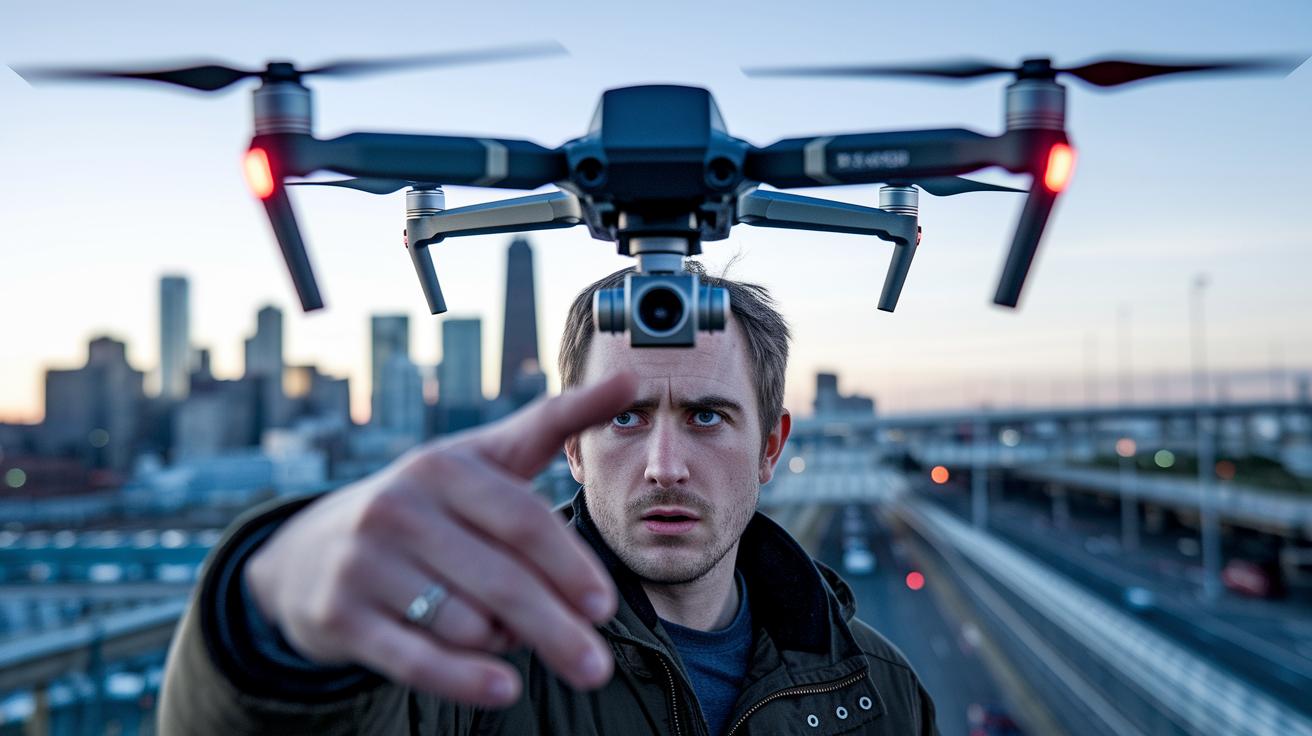
Debates over drone rules now force us to weigh free speech against public safety. Some argue that laws made for traditional media might not cover modern journalism. Think about that reporter who faced penalties after capturing live events, it shows just how fragile free speech can be when tech and law collide.
In Nat’l Press Photographers Ass’n v. McCraw, journalists and the Texas Press Association took on Texas’ 2013 drone law. They claimed these restrictions chipped away at their right to free expression. Even though an earlier decision had safeguarded their role, the 5th Circuit turned back time, reinstating the law and balancing journalist freedoms with security needs.
Legal experts now expect the Supreme Court could step in as the case moves forward. They see this battle over free speech as a hint that drone rules might soon evolve. Future court decisions could shift how regulations tackle new media practices and affect day-to-day reporting.
We're at a turning point, balancing the right to free expression with public safety is more crucial than ever. The outcome of this case may well transform media regulation for the future.
Final Words
In the action, the blog charted major legal battles over drone regulation. It covered key rulings that have reshaped the rules for drone operators and regulators, along with disputes over free speech and constitutional issues.
The post discussed significant federal and state cases, including remote flyer statute trials and IP suits, and even detailed FAA enforcement data. This roundup of legal news on drone regulation cases leaves readers with a clear view of evolving legal trends and the promise of fruitful developments ahead.
FAQ
Q: What are drone court cases about?
A: The term “drone court cases” refers to legal disputes involving drone operations, safety, and regulatory compliance. They address challenges for both civilians and law enforcement when drones are used in various activities.
Q: What does drone case law for law enforcement cover?
A: Drone case law for law enforcement examines legal standards that govern drone use by agencies. It focuses on constitutional safeguards, adherence to flight rules, and ensuring that aerial operations comply with established regulatory protocols.
Q: What are Supreme Court drone cases?
A: Supreme Court drone cases involve high-level reviews that could shape national drone policy. These cases consider issues like constitutional rights, balancing free speech concerns with public safety in the context of aerial technologies.
Q: What are the Long Lake and Michigan Supreme Court drone cases?
A: The cases from Long Lake Township, including Long Lake drone cases, and the Michigan Supreme Court case illustrate how local and state courts address drone-related disputes. They explore territorial rules, liability, and regulatory challenges.
Q: What constitutes drone prosecutions?
A: Drone prosecutions consist of criminal cases against individuals who violate drone regulations. They typically result in penalties or criminal charges, underscoring legal efforts to maintain safety and order in airspace.
Q: What does the case national press photographers association v. McCraw signify?
A: The case national press photographers association v. McCraw signifies a legal challenge against drone restrictions in the context of free speech. It focuses on how the law balances journalistic rights with regulatory mandates.