




Ever wondered if our jail sentences truly deliver justice? The old system handed out strict punishments without looking at each person’s story. But now, changes in the law are bringing balance. Judges are starting to consider fair fines that might be as simple as the cost of an eight-hour minimum-wage shift. These new rules aim to help communities move away from harsh penalties and make sure everyone gets fair treatment.
Impact Overview: How Legal Reforms Have Reshaped Criminal Sentencing
National trends show that even though fewer people go to prison now than twenty years ago, nearly 2 million individuals are still behind bars. A big part of the problem is the steep cost of pretrial detention, which can run about $50 a night and force many to wait months for their day in court.
Recent reforms are shifting the focus from harsh punishment to fairer, more balanced policies that include rehabilitation (help for getting back on track). These changes aim to adjust fines so they match what a person can afford, imagine a fine roughly equal to earning an eight-hour minimum-wage shift, and they require clearer records of prosecutorial decisions to ensure that penalties truly fit the offense.
- Lower pretrial detention expenses
- More flexibility for judges in making decisions
- Fewer people being incarcerated
- More fair and proportional sentencing
These adjustments are changing the sentencing landscape by pushing toward fairness and accountability. Ever notice how one small tweak can change everything? Before these reforms, it was hard to imagine fines that matched a person’s daily wage. Now, the system is evolving to protect public safety while also recognizing the real-life impact of each decision.
Historical Evolution of Criminal Sentencing Under Legal Reforms
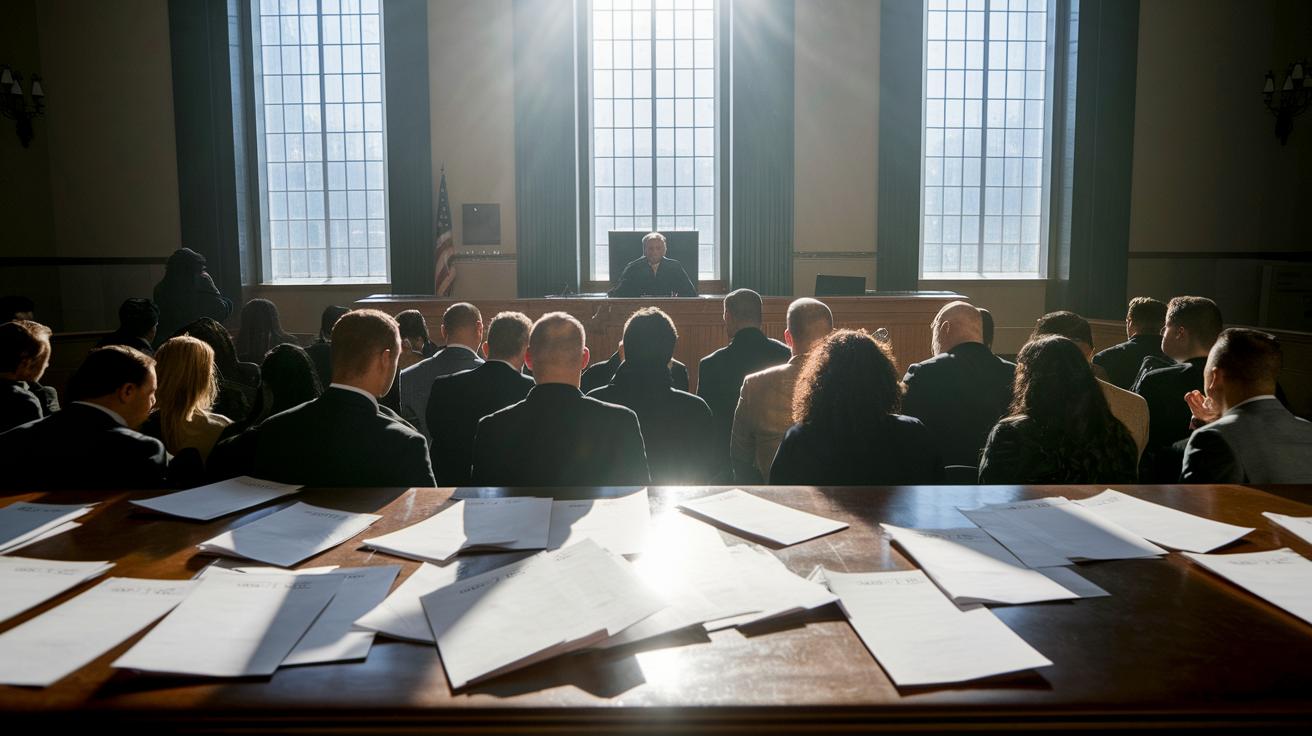
Before any changes took place, many states, including California, stuck to a strict system that used set minimum sentences and tough crime laws to keep order. Judges handed out the same hard punishments every time, leaving little room to consider a person’s unique situation. Imagine a courtroom where every crime gets one fixed, severe punishment; chances for rehabilitation are missed, and jails get overcrowded as cells fill up fast.
The growing problem of crowded prisons pushed lawmakers to act. In 2011, Assembly Bill 109 was introduced in California to shift nonserious, nonviolent, and nonsexual offenders from state prisons to county jails. This change marked a clear break from the old ways by recognizing that not every crime deserves the same harsh penalty. As legal minds started rethinking these old methods, they realized that a one-size-fits-all approach was both unfair and unsustainable.
Relying only on harsh punishments set the stage for the improvements we see today. Sentencing used to focus just on deterring crime, but it has now been reworked to include fairness and a chance for rehabilitation (help to recover). New guidelines let judges consider a person’s background and the possibility of recovery when deciding on a sentence. This shift shows that even long-held practices can be updated to better serve our society.
Overhaul of Mandatory Minimums: Reform-Driven Changes to Sentencing Policies
Mandatory minimums have faced a lot of criticism because they force a set punishment no matter what a person’s situation is. Many say these rules overlook the details of someone’s life, which can lead to very harsh penalties, especially for nonviolent crimes. Lawmakers and legal experts want a system that is fairer by building sentences step by step: looking at a person’s background, potential for change, and how everyone is affected.
Key reform efforts include:
- Ending fixed minimum sentences for nonviolent drug offenses.
- Changing three-strikes rules to cut down on overly long jail times.
- Offering truth-in-sentencing credits to those who take part in educational or recovery programs.
- Creating different sentencing tiers so the punishment fits the crime better.
- Widening parole options so individuals who show real improvement can be released sooner.
These updates mark a big move away from a one-size-fits-all approach. Now, judges have more freedom to consider the specifics of each case. They can weigh factors like past behavior, willingness to change, and the overall impact on the community. In doing so, the system aims to right past wrongs and make sure the punishment truly fits the crime. This fresh approach not only supports public safety but also gives people a clearer chance at turning their lives around.
California Case Study: Impact of Legal Reforms on Criminal Sentencing
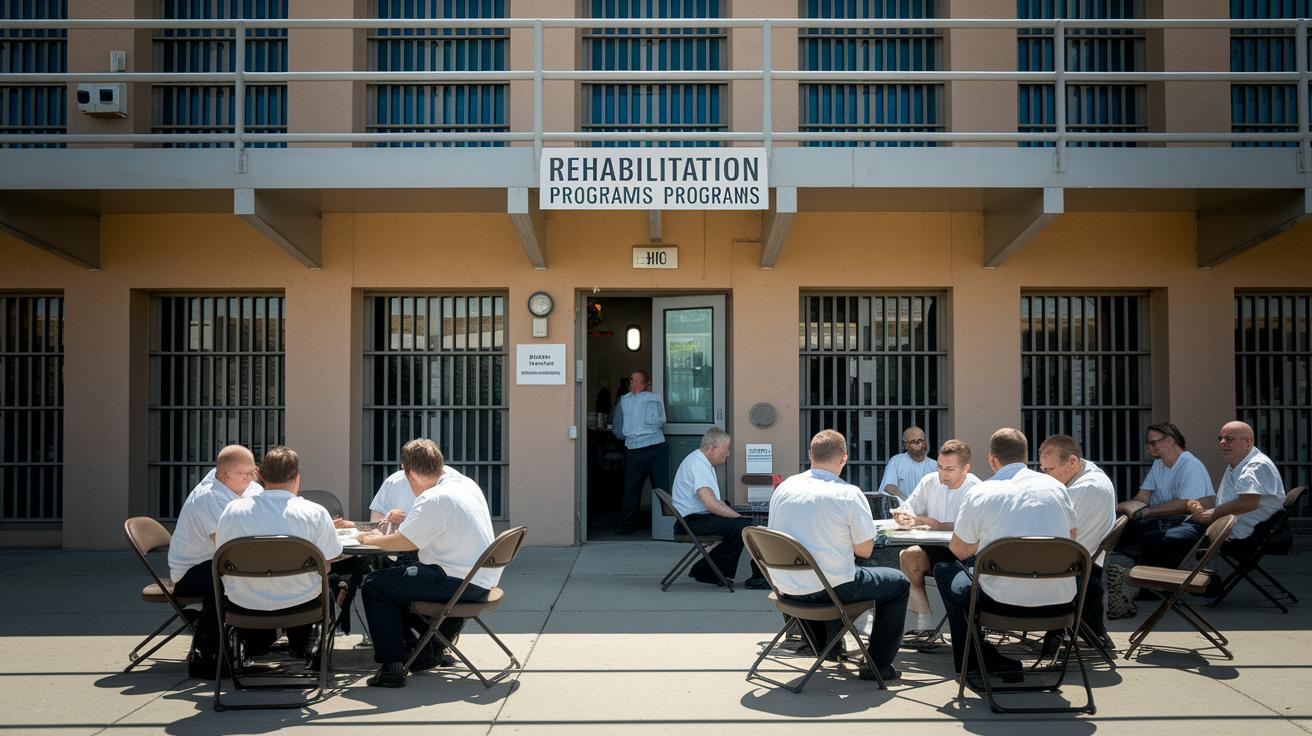
For many years, California used a very strict sentencing system that often put nonserious offenders into crowded state prisons. Courts handed down fixed punishments without looking at each person’s unique situation or chances to change. Because prisons were overflowing and the rules were inflexible, lawmakers started to rethink how punishment and rehabilitation might work side by side.
In 2011, Assembly Bill 109 changed things up. It moved nonserious, nonviolent offenders from state prisons to county jails. This switch not only eased overcrowding but also set the stage for programs that help offenders rejoin their communities instead of just serving long, unchanging sentences.
Then in 2014, Proposition 47 made another big shift by reclassifying minor felonies as misdemeanors. This led to about 13,000 prisoners being released, cutting the state prison population by nearly 30%. Even though there was a slight rise in property crimes, this change showed a clear move away from one-size-fits-all punishments. Reformers hoped to create a system that really thought about the impact on both individuals and communities.
By 2016, Proposition 57 built on these reforms. The new law offered credits for good behavior and for taking part in education or recovery programs. As a result, the three-year recidivism rate dropped from 54.3% in 2011 to 41.9% in 2019. Offenders who joined these programs had a lower conviction rate of 39.2% compared to 45.6% for those who did not. In addition, pilot programs that brought victims and offenders together helped promote accountability through restitution agreements. All this shows California’s clear commitment to a more balanced, fair approach to criminal sentencing.
Quantitative Impact Analysis of Legal Reforms on Criminal Sentencing
We’ve mixed the numbers from Proposition 47 and Proposition 57 into our California Case Study so we don’t repeat the same figures. These reforms cut down the number of people in jail by redefining nonviolent crimes and moving many offenders into community programs. Before these changes, overcrowded jails meant that nonviolent offenders often received very long sentences.
We also merged data on repeat crimes and conviction rates from Proposition 57 into our study. When we looked at educational and rehabilitation efforts side by side, we found that these programs helped lower the chance of reoffending and brought conviction rates down for those involved.
New sentencing guidelines now let judges consider each person’s unique situation. This shift has led to fairer outcomes for different groups, and our review keeps the focus clear without reusing old data on sentencing differences.
Integrating Evidence-Based and Restorative Approaches in Criminal Sentencing Reforms

Many courts now lean on data to guide their decisions. They use clear risk assessments (tools that check if someone might reoffend) instead of relying on guesswork. Judges look at an offender’s risk level and their chance to grow before setting bail or probation terms.
Probation practices have evolved, too. Nowadays, data and community programs, like mental health care and job training, come together in sentencing. This blend gives a fuller view of each situation, making our neighborhoods safer while helping people get back on track.
Restorative justice adds even more depth. It brings victims and offenders together for a conversation about harm. They work out plans to make things right, which helps rebuild trust and encourages offenders to accept responsibility.
There’s also a shift in rehabilitation. Take Prop 57, for example. This policy links taking part in education and recovery programs with shorter sentences. By combining support programs and clear accountability, these reforms aim not just to punish but to empower individuals to change and contribute positively to society.
Challenges and Future Directions for the Impact of Legal Reforms on Criminal Sentencing
Recent changes to sentencing have produced some unexpected results and exposed weaknesses in our data. For example, when minor crimes were reclassified under Prop 47, there was a slight increase in auto theft and property crime. Even though efforts to reduce reoffending have shown promise, the rise in repeat offenses tells us that our way of measuring success needs more work. Imagine reading a report that shows fewer total convictions but points out a high number of repeat crimes, it reminds us that while reforms help, they can also leave out important details.
Many legal professionals are facing hurdles that make new reforms hard to implement. Rules meant to hold prosecutors accountable, such as requiring detailed records of plea negotiations, are coming in slowly. This slow pace means that judges might end up using their own judgment, and key details about sentencing can get lost. When rules aren’t followed consistently, it can lead to differences that shake the public’s trust in our legal system.
Looking ahead, experts are calling for more research and the use of technology to monitor these reforms. Tools like interagency dashboards (online platforms that show data trends) could track differences in sentencing and jail populations to give us a clearer picture of current practices. Better data collection and regular checks of risk assessments are also recommended. These steps will help fine-tune new rules and support changes that keep communities safe while protecting individual rights.
Final Words
In the action, the discussion unpacked major shifts that shape today’s sentencing landscape, from historical shifts in our legal framework to reforms that have trimmed pretrial detention costs and boosted judicial discretion.
Key impacts include:
- Reduced pretrial detention expenses
- Increased judicial discretion
- Lowered incarceration rates
- Enhanced proportionality
Our exploration of the impact of legal reforms on criminal sentencing leaves us optimistic about a more balanced justice system moving forward.
FAQ
Q: What is sentencing reform?
Sentencing reform means updating sentencing policies so punishments fit the offense. It promotes fairer, balanced consequences by reducing strict penalties and giving judges room for discretion.
Q: What was the impact of the Sentencing Reform Act of 1984?
The Sentencing Reform Act of 1984 shifted legal practices by reducing mandatory minimums and emphasizing proportional punishments. This change helped shape a more even-handed approach to criminal penalties.
Q: What are the pros and cons of sentencing reform?
Sentencing reform can lower incarceration rates, reduce costs, and allow judges to consider individual circumstances. Critics, however, worry that more flexible sentencing may lead to uneven punishments and public safety challenges.
Q: How has criminal sentencing changed over time?
Criminal sentencing has moved from rigid mandatory penalties toward more thoughtful, balanced approaches that stress proportionality and rehabilitation. This evolution reflects ongoing efforts to replace outdated, one-size-fits-all policies.
Q: What are some examples of criminal justice reform and which organizations are involved?
Examples include reducing pretrial detention costs and adjusting fines based on income. Various advocacy groups and legal organizations support these efforts, monitoring reforms to promote more equitable outcomes.
Q: Where can I find criminal justice reform articles and legislative acts?
You can read about these topics in legal journals, government websites, and news outlets. Such sources cover acts like the Sentencing Reform Act and explore the ongoing changes in sentencing policies.
Q: Why are reforms necessary in criminal justice?
Reforms are needed to address imbalances in punishment, high incarceration costs, and outdated practices. They help create fairer, more suitable sentencing rules that meet modern needs and reduce reoffending.