



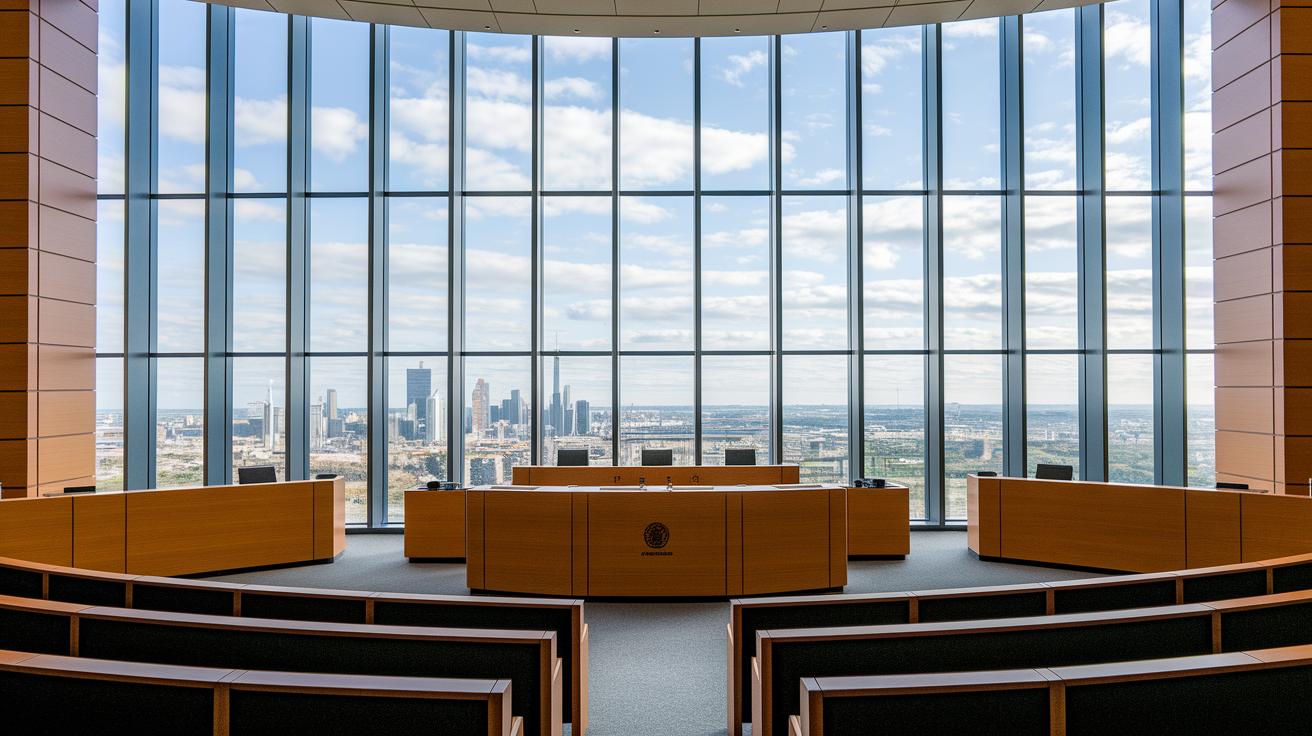
Ever wondered how our federal trials stay fair and clear? US District Courts handle many cases that affect our legal rights every day. They follow a step-by-step process that makes it easy to understand what happens in a courtroom. Lifetime-appointed judges build trust with the public, and clear rules steer the processes of filing, presenting evidence, and making arguments. In this post, I'll walk you through how the system works and why its transparent, straightforward approach is so crucial for fairness in our legal process.
Understanding the Framework of US District Courts
US district courts serve as the starting point for federal trials, set up under Article III of the Constitution. These courts handle most federal cases and play a key role in how laws are applied. For example, judges enjoy lifetime appointments after being nominated by the President and confirmed by the Senate. This arrangement builds a stable and independent system.
There are 94 district courts nationwide. That count includes 89 in the states, one in the District of Columbia, and five in U.S. territories. Each court hears cases that first appear in matters of federal civil and criminal law. Think of it like a puzzle, each district adds its own unique piece to the whole picture.
Proceedings in these courts follow the Federal Rules of Civil and Criminal Procedure. These rules provide a clear path for filing cases, presenting evidence, and making legal arguments, ensuring both sides get a fair chance. Here’s a brief overview of the process:
| Step | Description |
|---|---|
| Filing | Starting the case by submitting the necessary documents |
| Evidence | Presenting facts and proofs to support each side’s claims |
| Arguments | Explaining legal points and reasoning to the court |
Oversight for these courts comes from the Judicial Conference of the United States, which sets policies to keep practices consistent and fair across all districts. This structure not only promotes fair trial procedures but also builds public trust with its emphasis on transparency, equality, and accountability.
In summary, the system of US district courts is built on fair administration and clear rules. Combining lifetime appointments for judges with detailed operational steps, the system is equipped to handle the complex nuances of federal law effectively.
Organization and Regional Divisions of US District Courts
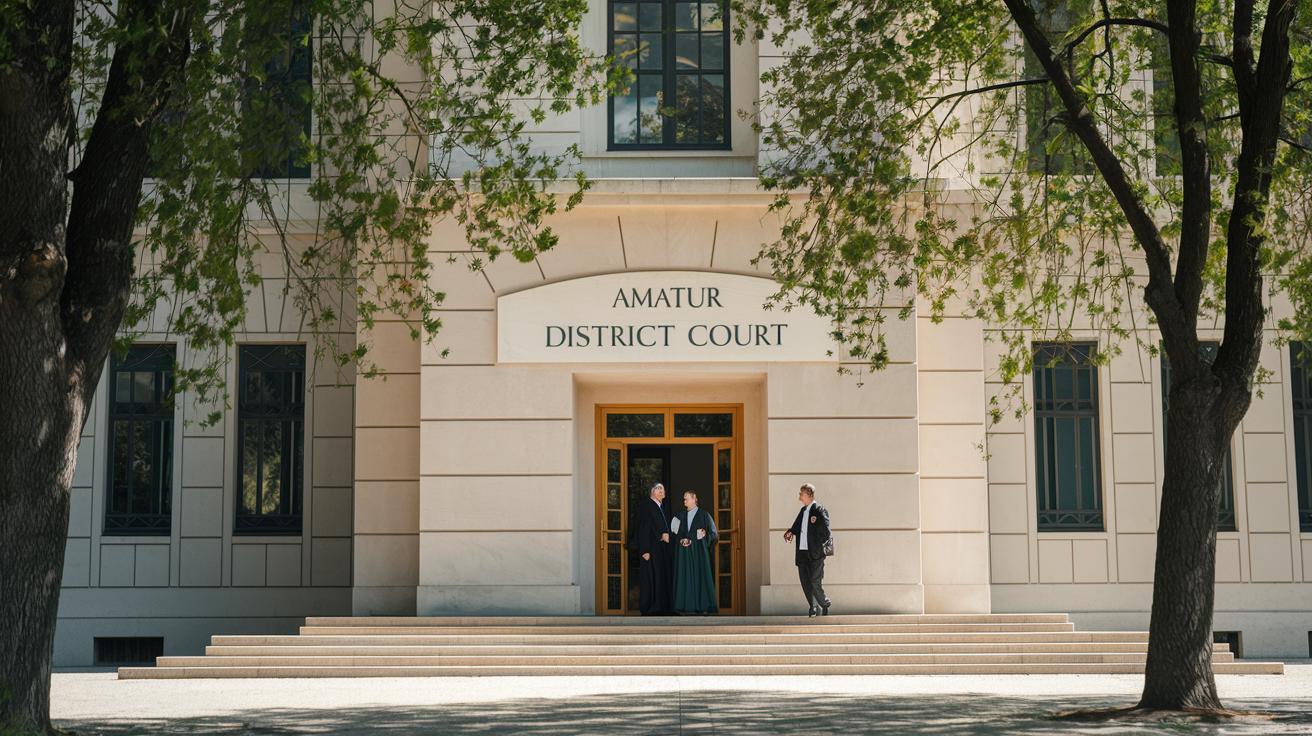
The federal trial system splits district courts into 12 circuits, with the D.C. Circuit set apart. This setup ensures that appeals are handled within clear geographic areas, which keeps the process fair and consistent. Each circuit works over its own district courts, providing a clear and steady way for judicial review and administrative support. Think of smaller circuits like local departments that quickly handle nearby issues while still fitting into a larger, unified system.
The district courts are arranged into these circuits based on where a case starts. The table below shows each circuit along with the states or territories it covers. This layout is like a map that helps you see which regional group deals with different cases.
This organized division of courts helps keep things running smoothly when it comes to appeals. With a regional system in place, judges and clerks always know which appellate body will review their decisions. It’s like having well-organized departments in a big company, each taking care of its tasks while working together to keep the whole system efficient.
| Circuit | States/Territories Covered |
|---|---|
| 1st Circuit | Maine, Massachusetts, New Hampshire, Puerto Rico, Rhode Island |
| 2nd Circuit | Connecticut, New York, Vermont |
| 3rd Circuit | Delaware, New Jersey, Pennsylvania, Virgin Islands |
| 4th Circuit | Maryland, North Carolina, South Carolina, Virginia, West Virginia |
| 5th Circuit | Louisiana, Mississippi, Texas |
| 6th Circuit | Kentucky, Michigan, Ohio, Tennessee |
| 7th Circuit | Illinois, Indiana, Wisconsin |
| 8th Circuit | Arkansas, Iowa, Minnesota, Missouri, Nebraska, North Dakota, South Dakota |
| 9th Circuit | Alaska, Arizona, California, Hawaii, Idaho, Montana, Nevada, Oregon, Washington, Guam, Northern Mariana Islands |
| 10th Circuit | Colorado, Kansas, New Mexico, Oklahoma, Utah, Wyoming |
| 11th Circuit | Alabama, Florida, Georgia |
| 12th Circuit | Jurisdiction details as assigned regionally |
| D.C. Circuit | District of Columbia |
Case Filing Procedures and Clerk Office Operations in District Courts
When you start a case in a district court, it all begins by filing your complaint or petition at the clerk’s office. You’ll need to pay the required fee or submit a fee-waiver request if you qualify. Once your paperwork is in, the clerk assigns a unique docket number, think of it like getting a special ticket for your legal journey.
The clerk’s office does more than just hand out numbers. They send out summons to the defendants, letting them know about the case and that they need to respond. Every step, each filing, is carefully recorded in both physical files and digital records so that everything is clear and can be checked during business hours.
Using the electronic filing system, known as PACER (an online case access system), speeds things up a lot. PACER follows rules set by the Judicial Conference and offers a safe digital way to submit and track your filings. It’s like sending a quick digital letter that confirms your case has officially started and can be easily tracked.
Plus, the clerk’s office keeps a close eye on deadlines and makes sure all documents are recorded correctly. They maintain a complete archive that’s open for public review during regular hours. This blend of traditional record keeping and modern digital management keeps the process smooth, clear, and efficient.
Federal Courtroom Protocols and Docket Management in District Courts
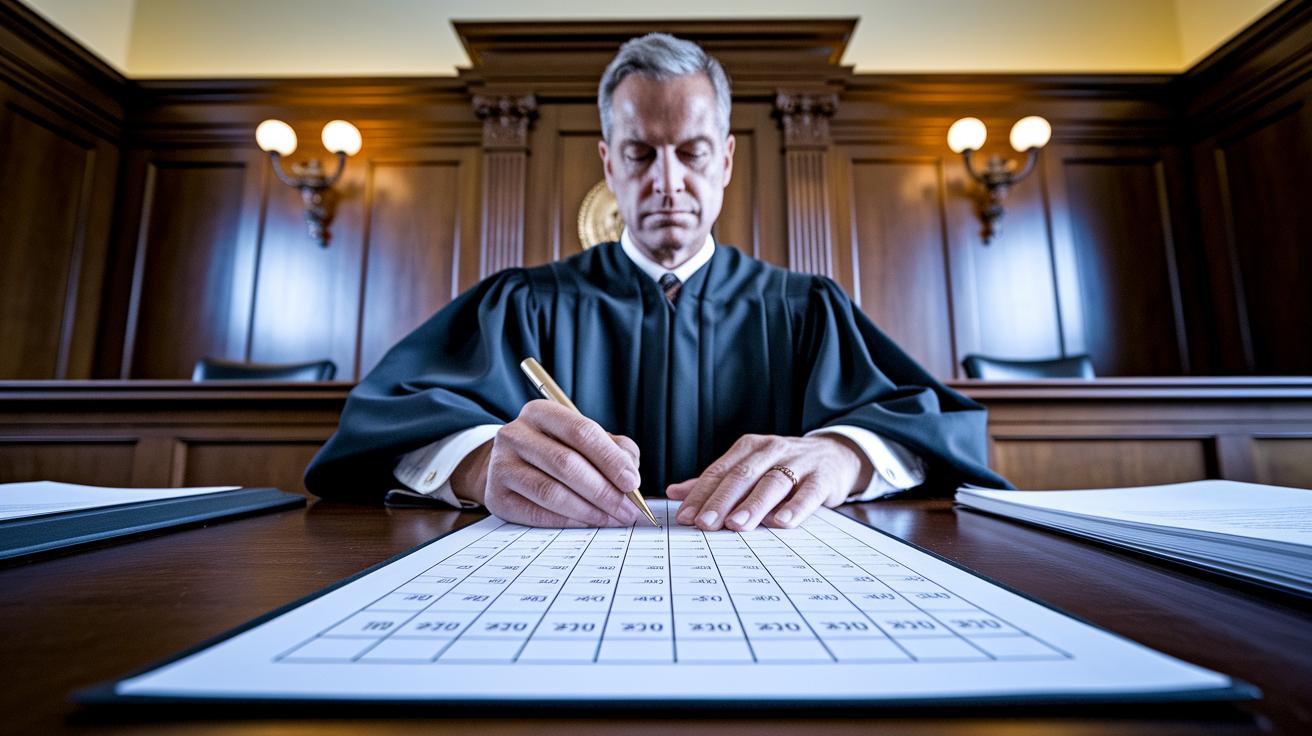
District court sessions stick to clear rules based on the Federal Rules of Evidence and Procedure (guidelines that decide what evidence is allowed). This process covers picking jurors, opening remarks, questioning witnesses, handling motions (requests for legal decisions), private judge meetings, and closing arguments. Think of asking a witness questions like fitting together pieces of a puzzle, each query adds to the complete picture. Court reporters are available to create transcripts when needed, so everyone gets an accurate record.
Docket calendars play a key role in running the court. They set up hearing dates, outline deadlines for motions, and plan trial schedules. With this system, everyone, from legal teams to judges, knows exactly when each event or filing should happen. Imagine receiving a digital alert as a reminder; it’s like a little nudge that keeps the legal process on track.
Tools like PACER’s case status features let people track filings and upcoming events easily. They provide clear access to schedules and case updates, almost like a digital command center. These tech tools are added to help clear up confusion and reduce delays.
Judges also keep things orderly by issuing administrative orders that manage the court schedule and maintain a respectful courtroom atmosphere. For instance, a judge might set time limits on arguments to keep the session focused. Together, these spoken rules and digital scheduling tools ensure that every trial unfolds in a clear and smooth way for all involved.
Electronic Access to District Court Records and Case Status
PACER (Public Access to Court Electronic Records) is a handy online tool that lets you view dockets, filings, and transcripts from district courts. If you’re registered, you’ll pay small fees for each page you download, though many courthouses also provide free public terminals. For example, you might see a docket entry like "Case 123456: Hearing scheduled on 05/12/2025 – Motion to dismiss filed," which helps you easily track what’s happening.
Docket sheets work like a daily journal of a legal case, showing important dates, key events, and direct links to documents. Imagine checking your case updates as if you were flipping through the pages of a well-kept record where every entry gives you a quick snapshot of what’s going on.
There are also third-party platforms that take PACER data and add cool features like advanced search tools, alerts, and analytics. So, if you’re waiting for something big, you might get a digital reminder that says, "Reminder: Trial begins tomorrow at 9:00 AM," making sure you never miss a crucial date.
This electronic system speeds up how we get legal records and makes managing them easier. It brings transparency and efficiency to public court records. With it, both legal professionals and the public can stay updated on case status almost in real time, ensuring that important legal information is always right at your fingertips.
Appeals Process and Rendering of Final Decisions in US District Courts
After a district court issues its final judgment, parties have 30 days to file an appeal notice with the district clerk. This filing sets the review process in motion, as the clerk collects the complete case record and sends it on to the correct U.S. Court of Appeals. Think of it like asking for a second opinion after a tough decision from the judge.
Appellate briefs lay out the legal arguments in clear terms and follow the Federal Rules of Appellate Procedure (official guidelines on presenting legal arguments). These briefs help the panel understand all the case details and the legal reasons behind the appeal. For example, a brief might open with, "After careful review of the lower court’s decision, we believe the burden of proof was applied incorrectly."
District judges sometimes issue bench opinions on their own, but when a jury is involved, they formally accept the jury's verdict. In their opinions, judges look closely at key points like the burden of proof (the obligation to prove one's case), statutory interpretation (how laws are read and understood), and past rulings that set the tone for the case. This careful examination ensures that the final decision rests on sound legal reasoning and established principles.
Locating US District Court Facilities and Services
Every one of the 94 district courts works out of one or more courthouses. These buildings house clerk offices, courtrooms, law libraries, and public-access terminals. If you need an address or phone number, the US Courts website makes it easy to find your local court.
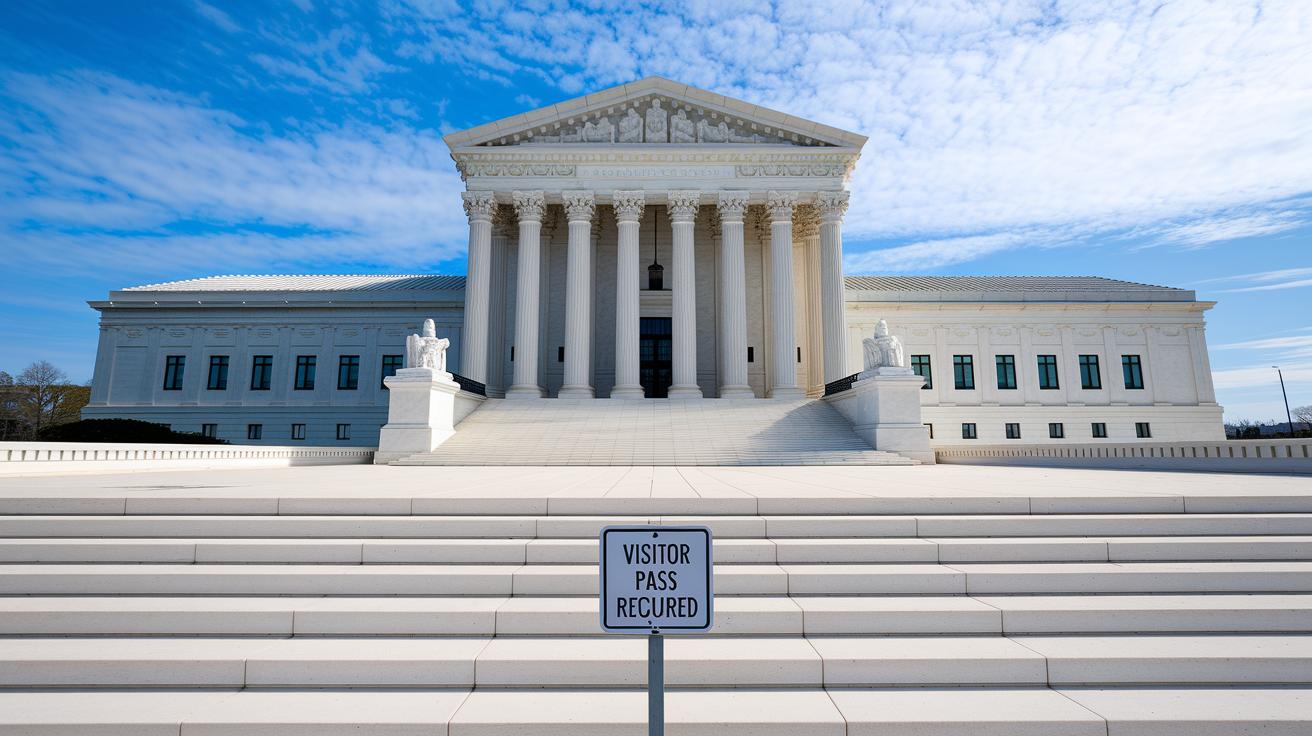
When you plan a visit, be ready for a security check at the door. Many courthouses also offer ADA help (for those who need extra assistance navigating the building). You might even see a sign that says, "Please show your visitor pass and follow security instructions." This is just a reminder of the rules you need to follow.
Most courthouses offer public parking and have self-help kiosks available to guide you through legal forms and local procedures. Some even list local rules and schedules online, so you can check what sessions are planned or see if any guidelines might affect your visit.
Think of your courthouse visit as a well-planned trip. By checking entry instructions and parking details ahead of time, you can keep your visit smooth and stress-free, letting you focus on your legal matters without extra delays.
Final Words
in the action, we reviewed how district courts work, from filing cases to tracking documents electronically and handling appeals. The outline walked through courtroom procedures, regional circuits, and how to locate facilities, all explained clearly.
These insights let you connect legal concepts with day-to-day practice, empowering your work at every us district court encounter. Positive steps like these build confidence and offer practical clarity for every legal professional.
FAQ
Q: What is the definition of U.S. District Courts?
A: The U.S. District Courts are defined as the primary trial courts within the federal judiciary, where federal cases, both civil and criminal, begin and are managed according to established federal procedures.
Q: Where can I find information about U.S. District Courts in South Carolina, Los Angeles, Columbia SC, the Central District, the District of Columbia, and Colorado?
A: The details for each of these district courts, including addresses and contact information, are available through the official U.S. Courts website, where specific locations for each district are clearly listed.
Q: Is there a map for U.S. District Courts?
A: The U.S. District Courts map illustrates the spread of the 94 judicial districts across the country, clarifying regional divisions and the distribution of federal courts.
Q: What is the difference between a local court and a district court?
A: The difference is that district courts handle federal cases under federal law, while local courts generally address state law issues, making each court unique in its jurisdiction.
Q: How many U.S. District Courts are there in Massachusetts?
A: Massachusetts has one U.S. District Court that serves as the federal trial venue for the state, handling federal matters within its jurisdiction.
Q: What kinds of cases do U.S. District Courts hear?
A: U.S. District Courts hear federal cases, including civil and criminal matters that involve violations of federal laws or disputes arising from constitutional issues.
Q: Is a U.S. District Judge the same as a federal judge?
A: A U.S. District Judge is indeed a federal judge who serves in the primary federal trial courts, overseeing federal case proceedings and holding a lifetime appointment after confirmation.