




Have you ever wondered if our justice system is ready for a major update? People are buzzing with ideas about changing the rules to help everyone. Some support clear policies like red flag laws (laws that let authorities temporarily remove guns from someone who might harm themselves or others) and body cameras. Others worry that shifting the power of government might disrupt the balance we rely on.
Recent debates are examining everything from student loan changes to adjustments in voting rights. Think of it like building your case step by step; each piece matters. The big question is how these legal reforms might reshape our lives and the future of our society.
Core Debates on Modern Legal Reforms: Key Issues and Perspectives
There are several hot topics in today’s legal world that spark lively talk and impact our daily lives. People discuss red flag laws (legal rules that let authorities temporarily remove firearms when someone is at risk) and the idea of body cameras for police, saying these moves might boost transparency and trust. Others question government plans to forgive student loan debt, wondering if it oversteps executive limits while risking good fiscal management.
Reform issues also cross into environmental and financial areas. For example, banning fracking and imposing tariffs on imported goods push together different ideas about protecting nature and managing our money wisely. Each of these debates is carefully examined to balance short-term bumps against long-term gains. Changes like altering birthright citizenship rules or replacing the Electoral College with a national popular vote have sparked deep discussions among legal experts and policymakers.
Other legislative updates add more layers to these debates. Proposals to remove contentious historical statues make many pause to consider our cultural identity and shared history, while plans to ease the opioid crisis or restore voting rights to former convicts raise important questions about fairness and public safety. Each of these topics invites us to step back and really think about the roots of our modern legal challenges and how they affect communities across the country.
Historical Benchmarks in Debates on Modern Legal Reforms

Looking back at key legal reforms gives us a clear picture of today's debates. One well-known resource, "101 Debating Topics," shines a light on moments like the fight to end capital punishment, a challenge to long-held views about justice. Other discussions have focused on fixing the prison system, with people debating whether punishment or rehabilitation (helping people change) is the better path.
Talks about legalizing marijuana and protecting hate speech under free-speech laws have shifted how we think about our country's rules. And when governments began monitoring online activity for security, it raised important questions about how to balance public safety with individual rights. These shifts lay the groundwork for how we now analyze policy changes.
Years ago, the idea of reforming the Supreme Court first emerged among lawmakers. Over time, these proposals evolved into courtroom debates about issues like court-packing (adding more judges to sway decisions) and placing term limits on justices. These historical moments continue to shape our conversations about updating the Constitution and overhauling our laws. They remind us that today's legal methods are built on the lessons of the past, something you can explore further in legal history (https://humane.net?p=6795).
Even now, these enduring debates serve as important benchmarks. They spark fresh conversations that refine legal principles and challenge old norms. Ultimately, they help guide our progress in building a fairer legal system.
Legislative Controversies Fueling Debates on Modern Legal Reforms
Lately, new law challenges have brought up ideas that could change how our highest court works. By December 17, 2024, several lawsuits were filed to oppose plans to add more judges to the Supreme Court (often called court packing) and set term limits for justices. Legal experts and advocacy groups are behind these challenges, saying these changes might make the court less independent (free from outside pressure).
Critics argue that these new proposals might break long-held constitutional rules, which many see as the foundation of our legal system. These heated debates have shown a deep split among lawmakers. Some worry that these reforms could upset the careful balance between the branches of government. There’s also a lot of uncertainty about the planned changes, which has only added more fire to discussions in courtrooms and public forums.
For example, a plan to set time limits for Supreme Court justices quickly raised alarms among experienced judges, who feared it might forever change the way the court operates. These lively legal arguments make it clear that people are split on whether these moves help justice or just serve political interests. Lawmakers and judges continue to argue about these ideas, reflecting long-lasting tensions within our federal system.
Case Studies in Debates on Modern Legal Reforms
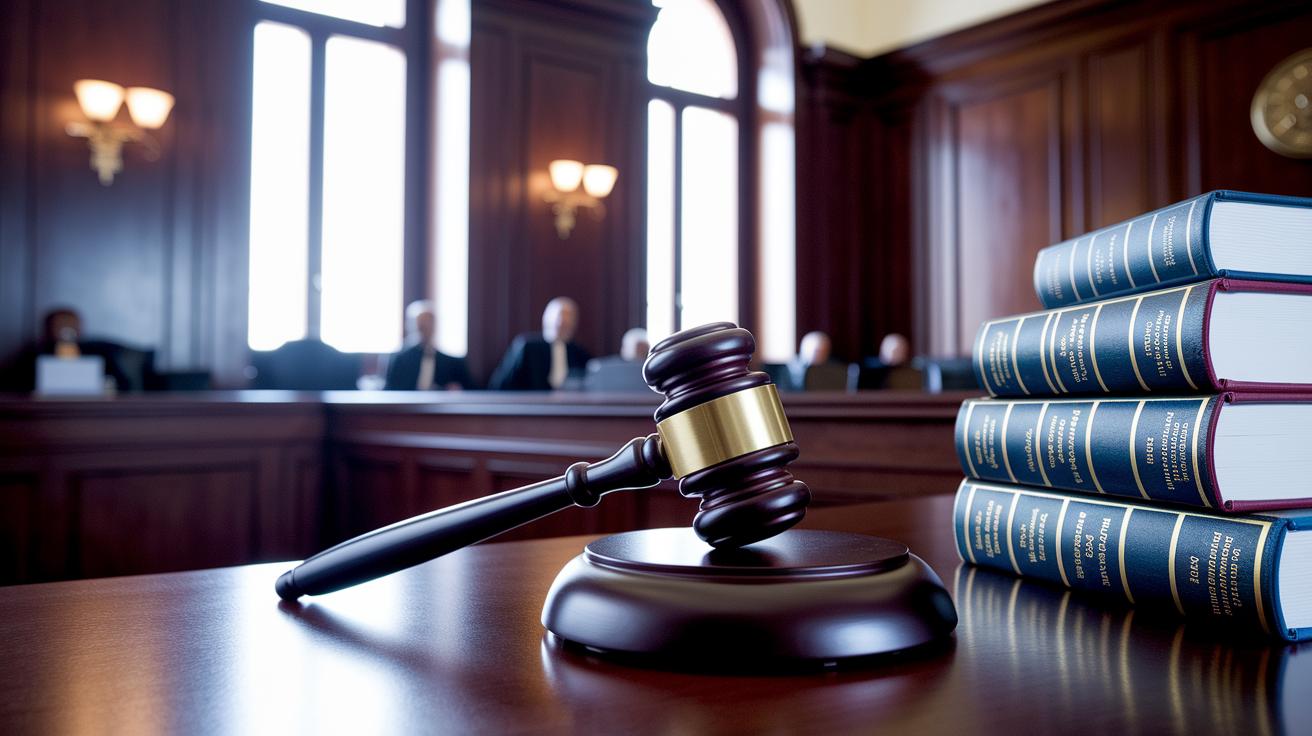
In one notable example, the lawsuit between Fox News and Dominion Voting Systems ended with a $787.5 million settlement. This huge amount is very rare in defamation cases and quickly became a flashpoint for wider legal debates. Before looking into the details, experts pointed out that settlements of this size hardly ever happen, marking the case as a turning point in discussions over corporate defamation.
Other legal challenges have come from proposals to forgive student loans. These ideas raise tough questions about the limits of executive authority (the power held by the president) and economic responsibility. Courts and policymakers have dug deep into these proposals to find the balance between what the executive branch can do and what lawmakers intended.
Another good example is the adoption of red-flag laws in 19 states. These laws aim to reduce firearm violence by preventing dangerous situations before they escalate. Early studies suggest that when these targeted reforms are put into practice, they can make communities safer.
Each of these cases offers a clear view of how legal reforms can impact public policy. The debates, legal battles, and large settlements all show the real-life effects of changes in the law. Even though these reforms sometimes spark heated discussions, they are key milestones for checking if policies truly work.
Comparative Perspectives in Debates on Modern Legal Reforms
Modern technology is changing the way we talk about privacy, surveillance, and government rules. New kinds of evidence like digital proof and AI tools (software that uses computer programs to analyze data) are stirring up old ideas. Social changes add extra twists, so it’s really useful to see how different places handle these issues. For example, one European trial used digital analytics to spot hidden biases and made officials rethink their usual methods. This kind of discovery is pushing both U.S. states and European nations to change their approaches.
Different sentencing rules also show these shifts. In some U.S. states, tougher punishments aim to keep communities safe. Meanwhile, several European countries stress rehabilitation (helping offenders rejoin society) so people can start over. These different angles tell us a lot about how local legal traditions shape priorities. Some courts even compare methods from various regions (it’s like looking at two recipes to pick the best one) to learn from each other’s wins and mistakes.
Looking at these trends gives a clearer picture of how reforms work. Legal systems need to keep up not just with new tech but also with the hopes and values of their people. Studies comparing laws from different regions continue to offer smart lessons on balancing individual rights with the needs of the community.
Evolving Justice Perspectives and Theoretical Frameworks in Modern Legal Reforms Debates

Legal experts and advocacy groups are busy figuring out how to protect our personal freedoms while keeping everyone safe. They often compare it to putting together a puzzle, each piece of the case supports both individual rights and public security.
Key voices in these discussions include Doug Shepherd, Bethany C. Allen, Kyle S. Mitchell, Heather Shepherd, Jen Bull (LLLT), and Maddy Thompson. They work on a range of issues from civil rights to government missteps, and their hands-on experiences help shape fresh ideas about legal reforms. When debates heat up, they remind us that legal theories need to match today’s social changes.
Advocacy groups push us to rethink old legal ideas. They want us to update the system so that it grows with our society and new technology. In short, these conversations highlight how our understanding of justice is evolving to meet modern needs.
Socio-Political Dimensions of Debates on Modern Legal Reforms
Public opinion is a powerful force in shaping and accepting legal changes. People in communities speak up for fairness, equal access to justice (making sure everyone gets a fair chance), and real representation when making laws. You can hear these views at town meetings, in classrooms, or during casual chats with neighbors.
A civic-education effort gives students aged 13 to 19 a chance to win a $10,000 prize for service projects. This program invites young people to take part in community, government, or business projects. By including youth, it brings in new ideas and builds a base for future involvement in policymaking. This shows how laws can improve when they start from the grassroots level.
Modern legal reform debates aren’t just textbook discussions, they come from everyday life and real community struggles. When people see their own stories in talks about fairness and justice, it makes leaders listen more closely. This genuine input turns big legal ideas into clear, practical changes that truly address the needs of the community.
Final Words
In the action, we broke down key reform topics, from red flag laws to Supreme Court changes. We examined historical benchmarks, legislative disputes, detailed case studies, and global perspectives. Each section offered insight into how legal issues shape policy and practical application.
Small steps build big change when debates on modern legal reforms are understood clearly. Keep engaging with these discussions and stay motivated to build your legal expertise.
FAQ
What are law debate topics?
The term law debate topics refers to current legal issues that spark discussion among experts and the public, including challenges in judicial practices, statutory changes, and government policy proposals.
Why should the Supreme Court not be reformed?
The view that the Supreme Court should not be reformed argues that altering its structure could weaken judicial integrity and independence while upsetting the balance outlined in the constitution.
What are some Supreme Court reform ideas and developments in court reform?
The ideas for Supreme Court reform include proposals like increasing the number of justices or setting term limits, reflecting efforts to adjust the court’s structure amid evolving legal challenges.
Why is judicial ethics being debated now?
The debate on judicial ethics centers on ensuring that justices maintain fairness and transparency in decision-making, addressing concerns about conflict of interest and accountability in the courtroom.
How does Supreme Court reform affect American democracy?
Supreme Court reform discussions influence American democracy by challenging the balance of power, prompting debates on how changes might alter checks and balances within the government structure.
What are the pros and cons of expanding the Supreme Court?
Expanding the Supreme Court offers potential benefits like increased diversity of viewpoints, yet it also raises concerns about destabilizing established norms and the political motivations behind such changes.