





Ever wondered if you could have the same legal rights as marriage without actually tying the knot? In California, domestic partnerships give you that chance.
This option lets you make important decisions like handling health care choices (for example, deciding on treatment if someone gets sick) and sharing property, just as married couples do.
We’re here to walk you through the basics, from who can sign up to the steps you need to take. Think of it like building your case piece by piece, making sure you’re covered every step of the way.
So, if you’re looking for a way to protect your interests without a wedding, keep reading. You might find that a domestic partnership fits your life perfectly.
California Domestic Partnerships: Eligibility, Rights & Benefits
California domestic partnerships are state-recognized relationships that give couples nearly the same rights as marriage. Both partners receive benefits like making health care decisions, access to family health insurance, and sharing property (joint ownership rules) among other legal perks. Fun fact: Before 2020’s nationwide expansion, these partnerships were mostly limited to same-sex couples, paving the way for broader inclusion.
To qualify, both adults must show proof of identity and residency, like a driver’s license or a utility bill, to ensure every partner is legally verified. Since the law changed, couples of any gender can register, reflecting our evolving society and legal progress.
While these partnerships share many similarities with marriage, a few federal protections still only extend to married couples. For instance, federal benefits like immigration sponsorship, filing joint federal taxes, and Social Security survivor benefits usually go only to married partners. This distinction is important when considering the full range of legal protections.
Registering a domestic partnership secures legal safeguards for decision-making, insurance, and property rights, which provide vital support in both personal and financial matters. So, if you’re weighing your options, remember that while state protections are strong, you may need the extra federal benefits that come with marriage for complete peace of mind.
California Domestic Partnership Registration Process

Getting your domestic partnership recognized in California is pretty straightforward if you take one step at a time. First, gather the documents you need. These might include a driver’s license or a recent utility bill to show proof of who you are and where you live.
Next, pick how you want to file. You can visit your county clerk’s office in person, use an employer-sponsored program, or choose a state filing option. Each choice has its own way of working, so think about what fits your situation best.
Then, complete the Declaration of Domestic Partnership form. You and your partner will need to fill in things like your full names, addresses, birth dates, and signatures. It’s like putting all your personal pieces together to build your case.
After that, both signatures must be notarized. When you file in person, remember there’s a $15 special handling fee. This fee covers the extra steps needed to process your paperwork quickly.
Finally, hand in your form to the right office. Once you've submitted everything, all you need to do is wait to receive your Certificate of Registered Domestic Partnership. Usually, within 3 to 6 weeks, you should have that certificate in hand. This certificate is your official way to show that you have the benefits, like making health care decisions together and sharing community property rights.
It might seem like a lot of steps, but checking every detail carefully can save you from any unexpected delays or problems later on.
Required Documentation for California Domestic Partnerships
To get started, each partner needs to show a valid photo ID like a driver's license, passport, or state ID. This ID proves who you are and helps keep things moving smoothly. Think of it as showing your driver's license to confirm your identity.
Next, you'll need to prove you live in California. A current utility bill, lease agreement, or similar document will work to show your address. For example, a recent electric bill with your name and address is a common way to verify where you live.
When you fill out the registration form, you'll be asked for your full legal name, mailing address, date of birth, and signature. It’s similar to putting all your personal details into a secure file to make sure everything is correct and matches up.
Lastly, keep in mind that some counties might require extra documents or have their own rules. A quick call or visit to your local County Clerk’s office can help clear up any uncertainties. This extra step helps prevent delays and ensures that each partner meets all the state requirements.
California Domestic Partnership vs. Marriage: Rights & Differences

Domestic partnerships provide many state-level benefits such as making health care decisions for each other, sharing community property, and protecting family leave. But recent cases have shown that issues like pension survivor benefits or adoption rules can become trickier for domestic partners. Think of a couple that had to jump through extra hoops to claim a partner’s pension after a loss, whereas married couples might have followed clearer federal directions.
Marriages come with advantages at the federal level that domestic partnerships don’t get. For example, married couples can file taxes together, receive Social Security survivor benefits, and have an easier time sponsoring a relative for immigration. One case even showed that marriages led to fewer delays during the immigration sponsorship process, highlighting how federal support can simplify complicated legal issues.
Recent state law updates have helped clear up the rules for domestic partnerships. New court decisions have resolved uncertainties regarding adoption rights and financial disagreements, giving domestic partners firmer legal footing. For instance, one couple smoothly adopted a child after changes in state law clarified old ambiguities, proving that updates in the law can have a real impact on personal lives.
Domestic partnerships can sometimes run into challenges, especially with pension and property disputes. Imagine two domestic partners who, during their separation, struggled over shared assets because the financial rules were too vague. This example shows that while both marriages and domestic partnerships offer protections, their small differences can really influence a couple’s legal rights.
Filing Fees, Timelines & Certificate Issuance for California Domestic Partnerships
When you file your domestic partnership documents, you usually pay a standard fee whether you file online, by mail, or in person. If your employer sponsors your filing, the cost and processing time might change based on what they offer.
Remember: both online and in-person filings cost $15, while employer-sponsored registrations have different fees and processing times.
| Filing Method | Fee | Estimated Processing Time |
|---|---|---|
| Online/Mail-in State Filing | $15 | 3–5 weeks |
| In-Person State or County Filing | $15 | 4–6 weeks |
| Employer-Sponsored Registration | Varies | Based on employer |
Your certificate is your legal proof of the domestic partnership. You need it for things like insurance benefits and making health care decisions. It’s a good idea to keep a copy on hand, almost like having a backup plan for important administrative needs. Also, check with your employer or local office, as they might have special steps for using your certificate.
California Domestic Partnership Dissolution: Ending Your Registered Union
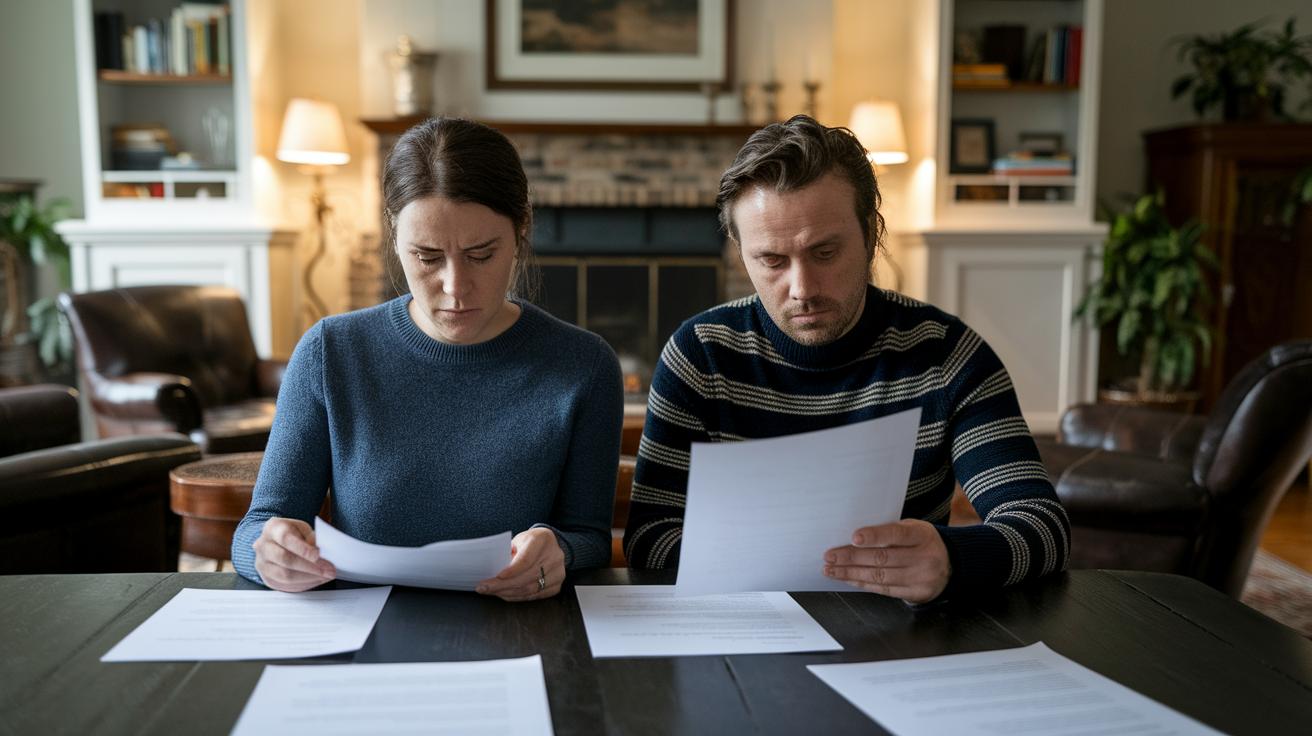
If you're looking to end your domestic partnership in California, here’s a straightforward breakdown. Both partners need to fill out a Notice of Termination of Domestic Partnership form, which you can grab from the Secretary of State’s office. Think of it as the first step in a divorce, it sets the wheels in motion and outlines what needs to happen next. And yes, there’s a filing fee that covers the paperwork and recording of your request.
Once you file the form, the next steps involve things like splitting up your property and sorting out any debts. These issues follow community property rules (laws that say things bought during the partnership should be shared equally), much like in a divorce. And if kids are involved, matters like custody, child support, and spousal support get handled in a similar way to divorce proceedings.
Sometimes, the process can get a bit tricky, especially if there's disagreement over how to divide assets. In those cases, chatting with a family law attorney (a professional who specializes in these kinds of legal matters) is a smart move. They can help guide you through the paperwork and negotiations, ensuring all your rights are protected every step of the way.
Common Questions About California Domestic Partnerships
When you're thinking about a domestic partnership in California, you might have a few questions about how it works. Let's break down some of the basics in a simple way.
First, you might wonder if domestic partnerships are valid outside of California. The answer is yes, they are legal in other places, but keep in mind that each state handles them differently. One state might honor all the rights you have in California, while another may not.
Next, what do you get with a domestic partnership? These partnerships come with a set of benefits like health care coverage, the right to make health care decisions for your partner, and rights related to shared property. You can think of it as having built-in legal protections for your everyday life.
You may also ask how domestic partnerships differ from marriage. While both offer similar rights at a state level, domestic partnerships do not include some important perks that come with marriage, such as federal benefits or help with immigration paperwork.
If you decide to move out of California, your partner's rights might change based on the new state's laws. So it’s a good idea to look up the rules where you're moving.
Finally, if you ever want to switch from a domestic partnership to marriage, you absolutely can. All you need to do is file for marriage at your county clerk's office.
Taking the time to go through these details can really help you feel more secure in your choice and ensure you have the right protections in place.
Domestic Partnership California: Secure Your Legal Rights

Since 2020, California opened its doors to every couple, no matter what gender they are. This change means that more people can access legal benefits and protections through domestic partnerships. The law is always being refined to meet the needs of today.
Rules about sharing community property, filing insurance claims, and getting benefits at work are still evolving. Courts look back at old decisions and update details as new situations come up. So while the basic structure stays the same, the details might shift over time.
For example, you might run into tricky issues with assets that aren’t traditional, like digital investments or owning property in different states. Picture this: one partner lives in California and the other in another state. Even though California honors their partnership, some benefits might not carry over if parts of their life are managed outside the state. One case showed a partner struggling to access insurance benefits after moving, proof that these changes can affect everyday life.
Experts recommend that couples check in on these legal updates regularly and get advice if they face unique financial or living arrangements. If you have assets spread across state lines, getting specialized legal help might be key to keeping your rights as strong as they are in California.
Staying informed and consulting a family law professional when needed can help ensure that your domestic partnership continues to protect you, even as the law adapts over time.
Final Words
In the action, this article broke down the essentials of domestic partnership california, covering eligibility requirements, document preparation, and how the registration process unfolds step by step. It explained the differences between registered unions and marriage, outlining the benefits and limitations tied to partner rights. Detailed filing fees, processing times, and even dissolution steps were also covered. Everyone can build a strong understanding with these clear steps and practical tips, leaving you with confidence as you explore or build your legal case.