




Ever wonder if California tax rules can feel a bit overwhelming? Think of filing your taxes like climbing a staircase, each step you take might bump up your tax rate. Our guide offers clear, easy tips to help you file your income, sales, and property taxes without any fuss.
Small shifts in tax brackets can change what you owe, so even a tiny detail matters. Ready to get a grip on your California taxes and build your confidence step by step? Let’s break down the numbers and simplify the rules together for a smoother season.
California Tax System Overview

California collects taxes in a few different ways, like income, sales and use, and property taxes. For example, state income tax in 2024 has nine rates starting at 1% and going up to 12.3%. These rates apply to different income levels, and while the percentages have stayed the same as last year, the income cutoffs have been adjusted for inflation. It’s interesting to note that even small changes in these brackets can shift how much many Californians owe, sometimes changing planning and filing strategies quite a bit.
Tax filings for the 2024 year are due by April 15, 2025. Taxpayers even get an automatic six-month extension until October 15 to submit their returns, but any tax owed must be paid by April 15 to steer clear of extra fees. The Franchise Tax Board takes care of income tax, making sure everything is accurate and follows the rules. At the same time, the California Department of Tax and Fee Administration handles sales and use taxes, keeping the process clear and organized.
For 2024, the state also offers a standard deduction that matches the fixed federal amount, which helps simplify the filing process for many people. There are regular updates to the legal rules, so taxpayers get the latest info on any changes that might affect their filing duties. Plus, the tools from these agencies make it easier to keep track of deadlines and ensure your paperwork is on point. All in all, California’s tax system blends strong oversight with accessible services, helping residents keep on top of their tax responsibilities in a straightforward way.
California Tax Income Rates & Bracket Structure

California’s income tax system for 2024 uses nine different rates, starting at 1% and reaching up to 12.3%. Think of these rates as steps on a staircase. Each step applies to the part of your income that goes above a set limit. For example, if you move into the 4% bracket after passing a lower boundary, it’s like adding a new puzzle piece to your tax picture. The rates, 1%, 2%, 4%, 6%, 8%, 9.3%, 10.3%, 11.3%, and 12.3%, help you understand how your tax increases as your income grows.
Each filing status, whether single, married filing jointly, or head of household, comes with its own income limits that get adjusted for inflation. Even though the tax rates haven’t changed from last year, these new limits mean more of your income might reach a higher bracket. This setup is different from the federal tax system, where the top rate is lower. In short, that top rate of 12.3% can feel like a steeper hurdle than you might face federally, so planning your income carefully is always a smart move.
California Tax Filing Requirements & Key Deadlines

For tax year 2024, your return is due by April 15, 2025. Want a little extra time to file? You get an automatic filing extension until October 15. But heads up, if you owe any tax, you must pay by April 15 to avoid extra fees.
If your situation isn’t too complicated, you can take advantage of free filing options. Tools like CalFile and IRS Direct File let eligible taxpayers file their returns at no cost when you have a basic income and only a few deductions.
Local tax rules might be different, too. Some cities and counties set their own deadlines for business taxes. So, if you’re handling business filings, make sure to check those dates in addition to the state deadlines.
- 2024 tax returns due: April 15, 2025
- Filing extension until: October 15, 2025 (payment still due by April 15)
- Free filing options: CalFile and IRS Direct File for eligible taxpayers
- Varying local deadlines: Verify city or county requirements if you handle business taxes
California Tax Credits & Deduction Strategies

California has several credits and deductions that can help you lower your tax bill. One of the main ones is the California Earned Income Tax Credit (CalEITC). If your income is $31,950 or less (adjusted gross income), you might get up to $3,644 back, almost like finding money you didn’t know you had. This credit is all about giving low-income workers a little extra support.
Another useful credit is the Young Child Tax Credit (YCTC). If you have a child under 6, you might be eligible to claim up to $1,154, though the benefit slowly decreases as your income goes up. Picture a parent carefully planning their budget and easing some of those tight months with the help of YCTC.
There are also credits designed to ease family expenses. For example, you might qualify for a nonrefundable child and dependent care credit or an adoption cost credit, which helps cover 50% of eligible expenses up to $2,500 per child. These credits are especially handy when expenses are high.
Renters can benefit too. If you’re a single filer or filing separately and you earn up to $52,421, there’s a $60 credit available. Meanwhile, heads of household or married couples filing jointly with incomes up to $104,842 might get up to $120. It really pays to check your eligibility before you file.
Remember, for 2024 you have a fixed standard deduction that matches the federal amount. But if you have extra deductible costs, like educator expenses, it might pay off to itemize your deductions instead.
- Review if you qualify for CalEITC and YCTC based on your income.
- Check whether dependent care or adoption credits apply to your situation.
- Compare the standard deduction with any potential itemized deductions for extra savings.
By going through these steps, you can make sure you’re capturing every credit and deduction you’re eligible for, keeping your tax filing clear and straightforward.
California Tax Digital Filing Solutions & Refund Process

California’s online tax system makes handling your taxes as easy as sending an email. Eligible taxpayers can file their state returns for free using CalFile or IRS Direct File, which connect directly with the Franchise Tax Board’s systems. That connection speeds up processing and reduces mistakes, making the whole process feel less intimidating.
When you're filing online, take a moment to use the FTB’s income-tax calculator. Think of it like checking the weather before you head out, it gives you a quick peek at your potential tax bill so you're prepared.
After you submit your return and set up direct deposit, your refund typically lands in your bank account within 6 to 8 weeks. And if you’re ever curious about its status, you can use the "Where’s My Refund?" tracking portal. This secure online tool lets you check your payment history and see your current refund status anytime.
If you’re worried about a delay, just log in and view all the payment details without the hassle of long phone calls or waiting in line. In short, digital filing puts control right at your fingertips.
California Tax Sales Levy Guidelines
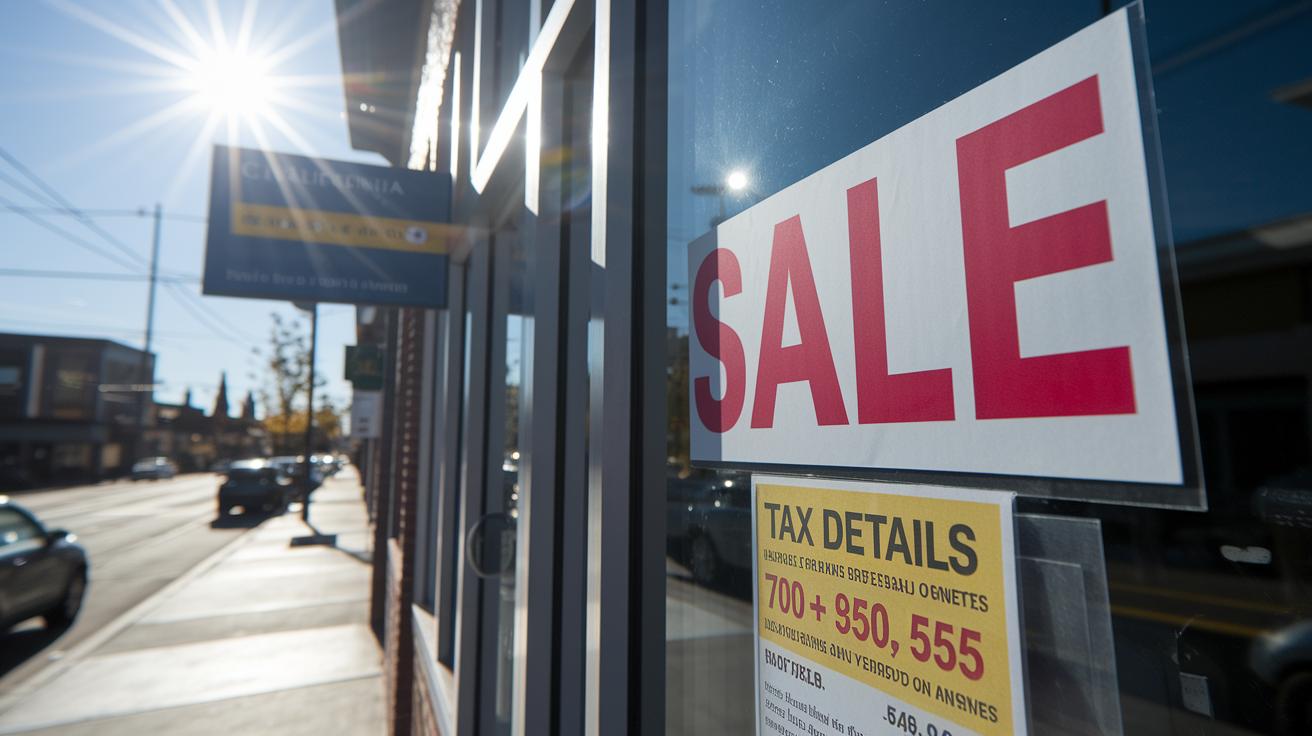
California applies a base sales tax rate of 7.25% on most retail purchases. This state tax is managed by the CDTFA and lets local areas add their own rates, sometimes up to an extra 2.5%, which can bring the total above 9.75%. Think of it like layers on your purchase, with one layer from the state and another added locally.
If you’re selling goods, you must register in every area where you have a sales-tax obligation. The CDTFA sends out annual bulletins with any rate changes, so keeping an eye on these updates can help you avoid unexpected costs.
When purchases come from out-of-state and no sales tax is collected, a use tax comes into play. This works as a backup to ensure that tax is still paid on these items.
| State Base Rate | Potential Local Rate |
|---|---|
| 7.25% | Up to 2.5% |
Both retailers and consumers should review current tax rates regularly to stay up-to-date.
California Tax Property Levy Insights

In California, your property tax starts based on the price you paid for your home. Each year, it goes up by either 2% or by the cost-of-living increase (this is explained by Proposition 13, which helps keep your taxes steady even when market values rise). This system is designed to make sure your annual tax bump doesn’t feel too steep.
Most counties charge roughly 1.1% of your home's assessed value, though the exact rate can vary from place to place. On top of that, local governments might add extra fees, like charges from voter-approved bonds or special assessments (extra costs for local projects). It’s a good idea to check your county tax bill regularly, so you can catch any unexpected fees as soon as they appear.
When you sell your property or inherit one, reassessments might happen. This usually means your tax is recalculated based on today’s market value instead of the price you originally paid, unless you qualify for certain parent-child exclusion rules.
- Check your county tax bill for any extra fees from bonds or special assessments.
- Compare your local rate against the state average of 1.1%.
- Stay alert for reassessment events that could increase your tax bill.
Final Words
In the action, our guide broke down key elements of the california tax system. We reviewed income rates, filing deadlines, and credit strategies while explaining digital filing and property and sales tax rules.
Each section worked to clarify how different tax pieces fit together in clear steps. These insights can boost confidence in handling legal matters and applying tax knowledge practically.
Stay positive and keep informed as you build your understanding of california tax requirements.
FAQ
Q: What is California sales tax?
A: The California sales tax refers to the tax applied to retail sales of most goods and some services, starting at a statewide rate of 7.25% and often increasing with local add-ons.
Q: What is the California tax rate?
A: The California tax rate covers various taxes such as income, sales, and property taxes. For income tax, rates range from 1% to 12.3% while the base sales tax starts at 7.25% with possible local increases.
Q: How can I access a California tax calculator?
A: The California tax calculator is an online tool used to estimate tax liabilities for income and sales taxes, typically available on state agency portals to help taxpayers plan their filings.
Q: What should I know about California income tax?
A: The California income tax consists of nine progressive brackets ranging from 1% to 12.3%, making it clear that there is no 50% or 13% income tax. It allows taxpayers to compare state and federal rates easily.
Q: How do I contact the California Franchise Tax Board or make a payment?
A: The California Franchise Tax Board manages income tax filings and offers customer service, online payment options, and mailing addresses, all available on the official FTB website for convenient access.
Q: What is California Tax Policy?
A: California Tax Policy refers to the set of laws and regulations that govern state taxes—covering income, sales, and property taxes—and it is regularly updated to reflect changes like inflation adjustments in bracket thresholds.
Q: How much is tax in California related to the PST?
A: The PST, or sales tax, in California starts at 7.25% on a state level. When local taxes are added, the combined rate can vary but generally does not exceed 13% in total.