



Ever wonder if media headlines might be nudging our environmental laws? Lately, news stories spark lively talks about changes in policies that affect how we protect our air, water, and wildlife. In this blog, we take a closer look at these debates and the clear shifts in policy they seem to bring along. With real examples, we show how each headline adds a piece to the puzzle of keeping our environment safe.
Environmental Law Headline Implications: A Comprehensive Analysis
Lately, environmental law headlines have sparked real conversations. People are noticing big shifts in policy that affect public safety and how we protect our planet. Many news stories now argue that impact reviews (studies that measure a project’s effects) shouldn’t be limited to only the biggest projects. Instead, they suggest using these checks for nearly every project to better tackle issues like climate change and the loss of wildlife. Imagine a puzzle where even the smallest pieces can change the whole picture, each tiny decision plays a part in keeping our environment safe.
Take the One Big Beautiful Bill Act, for example, which was signed on July 4, 2025. Many critics slammed the bill because it cut protections for vulnerable communities while catering to fossil-fuel interests. Meanwhile, federal election debates have shown a clear split: one top candidate wants to scrap these impact reviews entirely, while another prefers to tweak and improve them. This difference of opinion shows that headlines are more than just news, they mirror deeper political battles over fairness and the rule of law in environmental matters.
Classic laws like the Clean Air Act of 1970 and the European Environmental Action Programme of 1973 remind us that courts have a long history of stepping in to stop harmful practices and order cleanups when needed. International treaties also stress a team effort in handling climate change and protecting wildlife, proving that what we read in headlines can shape laws across the world. All these changes highlight just how much legal headlines influence policy decisions and public expectations.
Case Studies in Environmental Law Headline Implications
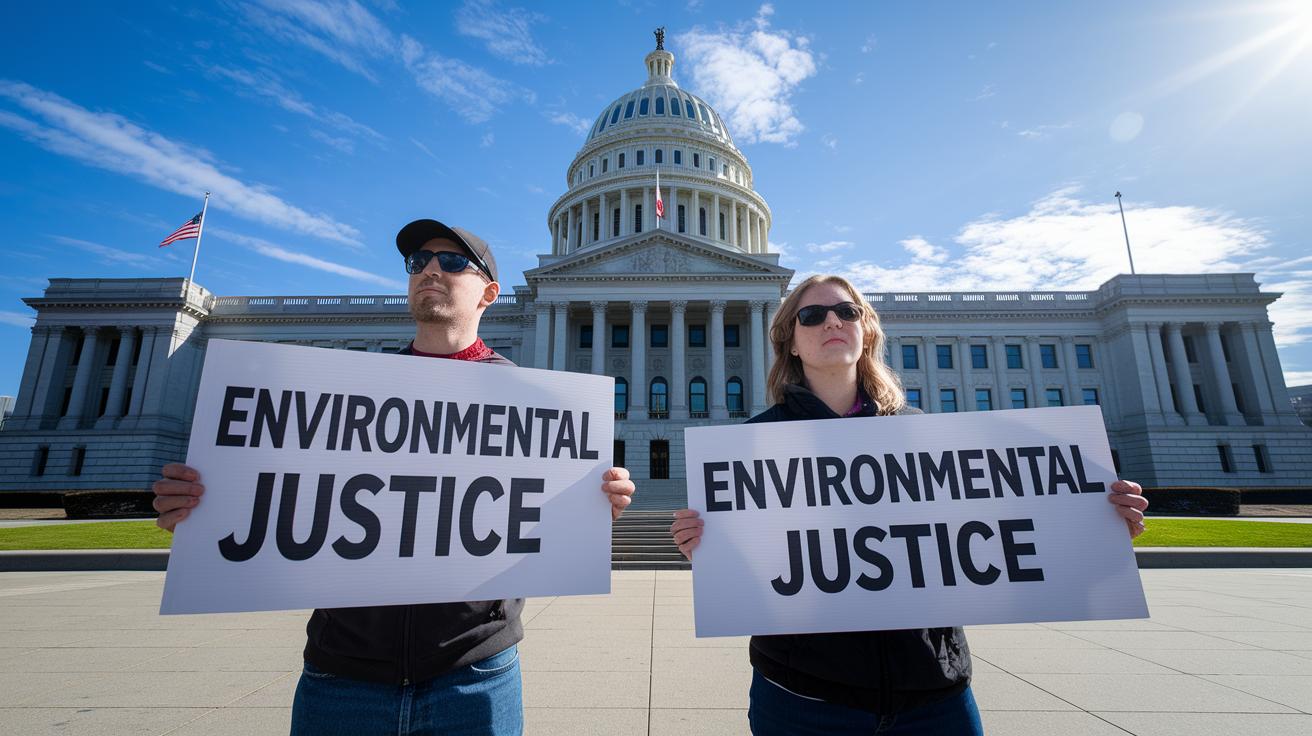
Real-life examples show us that headlines don’t just grab our attention, they can also change the way environmental laws work. News stories can spark debates that lead lawmakers to rethink and sometimes reverse harmful rules. For example, when headlines highlight the rollback of protections, as happened with the One Big Beautiful Bill Act (OBBBA), discussions about fairness and accountability heat up. And when stories cover the recognition of Indigenous jurisdictions in Canada, they push for more inclusive impact checks that respect long-held rights and build trust with native communities.
Older laws like the Clean Air Act (a law setting standards for air quality) and the Environmental Action Programme still steer modern regulations. They prove that well-crafted environmental laws have a lasting impact.
| Case Name | Date | Headline Focus | Legal Implication |
|---|---|---|---|
| OBBBA | July 4, 2025 | Rollback of justice measures | Setback for environmental justice |
| Indigenous Jurisdictions | 2024 | Recognition in assessments | Enhanced tribal authority |
| Clean Air Act | 1970 | Air quality successes | Model pollution controls |
| Env Action Programme | 1973 | EU policy framework | Coordinated regulation |
When we take a closer look at these cases, we see that powerful headlines do more than please the eye, they shape legal stories and guide changes that help communities and protect the environment. Every decision, big or small, plays a part in building a fair and sustainable future. These examples encourage lawmakers to craft policies that are proactive rather than just reactive, ensuring that everyone, including marginalized voices, gets a say in how laws are made.
Analysis of Statutory Environmental Law Reforms in Headlines
Statutory changes are important because they lay out the rules that communities and businesses follow. When news headlines report on legal reforms, they hint at upcoming shifts in how we protect our environment. Clear laws help protect people, ensure fair evaluations, and tackle big issues like climate change (rising temperatures and extreme weather) and the loss of wildlife.
Recent reports aren’t just about discussion; they show lawmakers ready to take concrete steps to reshape our legal system. Today’s laws are being closely examined, and each reform offers a chance to boost environmental accountability.
- OBBBA eliminated key environmental protections.
- There’s a plan to remove federal impact assessments.
- Lawmakers are considering ways to simplify and speed up assessment procedures.
- They want to include environmental reviews in every decision-making process.
- Proposals are on the table for non-political, collaborative frameworks.
These points underline the push behind the new legal changes. They show a move toward a more complete and steady way of evaluating projects that affect our environment. Yet, these reforms come with tough challenges. Many now ask if these updated legal rules can manage fast economic growth while keeping strong environmental checks in place.
Any new law must consider the combined effects of various projects and work independently of shifting political moods. The goal is to keep legal compliance strong while also meeting long-term environmental targets.
Judicial Decisions and Their Implications in Environmental Law Headlines

Lately, courts have taken a firmer stance on environmental rules, stepping in to stop activities that harm our surroundings. They’re not just blocking damaging industry but also demanding that cleanup efforts happen fast when trouble occurs. Climate change cases, for instance, are popping up more and more, with judges holding companies and even governments responsible for practices that endanger our communities and natural resources. It’s like a wake-up call that legal standards need to protect everyone without delay.
Take one case where a court put a stop to operations causing high pollution levels near neighborhoods. The judge pointed to laws that safeguard endangered species (laws written to protect rare animals and plants) while addressing how pollution is managed. It really shows how judges interpret laws on pollution and species protection, setting firm rules for projects close to delicate ecological areas.
These judicial moves don’t just fix today’s problems, they also guide lawmakers on what to improve. When judges order a pause on harmful activities, it nudges legislators to update old rules and introduce stronger controls. In simple terms, this tells us that as science and community needs evolve, our laws must follow suit to keep our environment safe and healthy.
Regulatory Impacts of Environmental Law Headlines on Climate Policy
Lately, news headlines have been sparking big conversations about global agreements like the Paris Agreement. Countries are rethinking their environmental plans and setting bolder climate goals. Meanwhile, regulators are busy debating changes to impact reviews (assessments that judge a project’s environmental effect). Some reports even suggest scrapping these federal reviews, while others push for making them quicker and more focused. It’s a hot topic because these headlines don’t just shape public opinion, they also affect how much power regulators have to enforce environmental rules. Ever wonder if speeding up these reviews might let harmful projects slip through?
Technology is stepping in as a real game-changer, too. Reporters are covering new tools like satellite monitoring and green tech systems that help keep an eye on climate law compliance. These innovations give us sharper data, but they also bring up questions about how well they work and if they’re truly reliable. Some stories are cautious about projects like hydrogen power and carbon capture, worried that flashy marketing might hide practices that aren’t so green. This has many calling for clearer reporting and tougher rules when using these technologies. In short, with international pledges, new review rules, and cutting-edge monitoring tools, our whole approach to climate policy is changing fast.
Emerging Trends in Environmental Law Headline Implications

Lately, news stories have been showing a strong push for teamwork among government, community groups, and businesses to protect our environment. Recent reports highlight moments when different voices come together to create fair environmental solutions. You’ll notice more articles talking about environmental justice lawsuits (legal cases that fight unfair environmental practices) and sustainable development plans that break away from old, political ways of making rules.
One example is the "Fostering Sustainability Takes a Village" lecture from November 15, 2024. During this event, speakers urged for impact checks that aren’t swayed by political opinions and that promote shared responsibility. These talks add fuel to the call for clearer, stronger review processes while shining a light on fairness in new environmental laws. In a nutshell, the news is shifting toward mixing public ideas with solid legal rules.
Future Outlook on Environmental Law Headlines
Looking ahead, expect more use of technology to keep track of environmental rules and a stronger media focus on fairness in legal processes. As efforts to promote equality continue to grow, future headlines will likely help shape rules that balance economic growth with the smart care of our environment.
Final Words
In the action, the post unpacked key environmental law headlines that shape legal practice today. We examined crucial case studies, from headline shifts in the OBBBA to judicial rulings that stop harmful practices, and looked at statutory reforms, technology integration, and global treaties. The discussion offers a deep dive into environmental law headline implications, revealing legislative dynamics and the impact of policy changes. Every point builds understanding and sparks thoughtful discussion, leaving legal professionals with a clearer picture to support practical application and confident decision-making.
FAQ
What is the significance of recent environmental law headlines?
The recent environmental law headlines signify major shifts in legal policies that affect public safety and environmental justice, driving changes in legislation, court decisions, and overall regulatory practices.
How have headlines like the One Big Beautiful Bill Act affected environmental justice?
Headlines about the One Big Beautiful Bill Act reveal actions that reduce protections for vulnerable communities, sparking debate on balancing energy interests with measures that safeguard public health.
What lessons do case studies in environmental legal reforms offer?
Case studies highlight how headline events, such as shifts in indigenous jurisdiction and successes under the Clean Air Act, influence legal reforms and demonstrate methods to improve protection standards in environmental law.
How are statutory reforms and judicial decisions shaped by environmental headlines?
Environmental headlines spur a focus on both statutory revisions and judicial actions by showcasing debates over impact assessments and by highlighting court orders that stop harmful practices and mandate necessary cleanups.
In what ways do environmental law headlines impact climate policy?
Environmental law headlines shape climate policy by spotlighting treaty commitments and debates over review processes, prompting the adoption of technology-driven oversight and adjustments to conventional environmental assessments.
What do judicial decisions in environmental headlines reveal about accountability?
Judicial decisions featured in environmental headlines set a precedent of holding both public and private sectors accountable by enforcing rules that halt damaging activities and require cleanup efforts to protect communities.
What emerging trends can we expect in future environmental law headlines?
Future environmental law headlines are likely to focus on technology integration, equitable policy-making, and collaboration among various sectors, all aimed at strengthening legal frameworks and enforcement practices.