


Have you ever wondered if your rights stay safe when big court decisions shake things up? Major civil rights cases have helped shape how we vote (the method by which citizens choose leaders) and stopped rules that weren't fair. These court decisions work like turning points, ensuring that every voice is heard.
In this article, we'll break down these key rulings step by step, showing you exactly how they impact our lives and our society. Stay with us as we explore why these decisions matter and what they teach us about protecting our rights.
Implications of Civil Rights Court Headline Decisions
Headline decisions in civil rights cases play a huge role in protecting our rights. They set the stage for a fair democracy and keep us safe from unfair practices. Think of these decisions as key moments that help ensure every eligible voter gets a chance to be heard.
One clear example is the Voting Rights Act of 1965. This important law banned tricks like grandfather clauses, literacy tests, white primaries, and poll taxes (these were methods used to block African American voters). It opened the door for many Black citizens to register and vote while showing a real commitment to fairness and inclusion.
| Case Name | Year | Decision & Impact |
|---|---|---|
| Smith v. Allwright | 1944 | Ended white primaries and helped boost Black voter registration. |
| Voting Rights Act | 1965 | Banned unfair voting practices like literacy tests and poll taxes. |
| Shelby County v. Holder | 2013 | Ended the preclearance rule, which has raised concerns about voter suppression. |
Big court decisions like these have a deep impact on our laws and everyday lives. They remind communities that their voices matter, while also shifting the balance of power between state rules and personal rights. Cases such as Smith v. Allwright and the Voting Rights Act made voting easier for many people. Meanwhile, decisions like Shelby County v. Holder have sparked debates about keeping elections fair today. Even recent Supreme Court rulings continue to shape our understanding of civil rights and guide efforts to protect voting rights.
Evolution of Civil Rights Court Headline Decisions

During the Reconstruction era (1865–1877), African Americans stepped into democracy by voting and joining community decision-making. Even though only men could vote back then, these early moves laid the groundwork for future civil rights battles. It was a time that set the first legal rules for civil rights, showing us how much effort goes into earning each right.
Between the end of Reconstruction and the big changes in 1965, unfair methods like poll taxes, literacy tests, and other tricks stopped many Black citizens from voting. In some places, like Lowndes County, AL, where African Americans made up 81% of the population, nobody got a fair chance to register. Key court rulings and legal challenges during this period slowly broke down these clear barriers. They set a new standard by using ideas of equal protection and justice, pointing out the real differences in how people were treated in public and by the law, and stressing the need for big changes in civil liberties.
Grassroots organizing, led by groups like SNCC, had a huge impact on later court cases. Activists went door-to-door, educating people during events such as the 1963 Freedom Days in Selma and the 1964 happenings in Hattiesburg, MS. Their work not only put pressure on lawmakers, but also paved the way for major updates to voting rights law. This transformation has influenced the way courts handle civil rights issues for generations.
Legal Reasoning in Civil Rights Court Headline Decisions
In Smith v. Allwright (1944), the court used the Fifteenth Amendment (the rule that protects voting rights) to decide that white primaries broke the promise of equal protection. This means that when the government backed practices that kept Black citizens from voting, they were acting against the law. Imagine a playground where only a few kids get to ride the swings because of a silly rule; the court made it clear that every child deserves a turn. This decision set the stage for future challenges to unfair voting rules.
With Voting Rights Act cases, courts leaned on Congress’s Section 5 of the Fifteenth Amendment (a section that gives Congress the power to protect voters) as a way to stop old, discriminatory practices like literacy tests and poll taxes. Think of it like a referee in a game, ensuring everyone follows the rules so that the game stays fair for everyone.
Then, in Shelby County v. Holder (2013), the court looked at Congress’s authority under Section 4(b) (the part that figures out who needs extra voting protections) and had mixed views. Some judges argued that the formula used to guide federal oversight was outdated, suggesting it no longer matched today’s voting environment. Others worried that changing the rules might open the door to new ways of limiting votes. These differing opinions show how judges work to balance lessons from the past with the challenges of modern times.
Media Portrayal of Civil Rights Court Headline Decisions
Looking back, press coverage really helped build support for civil rights laws. In 1965, newspapers and TV shows brought the Freedom Rides and Selma marches to life. They painted a clear picture of struggles and wins that made the Voting Rights Act (a law protecting one’s right to vote) feel urgently needed. Stories about cases like Smith v. Allwright not only explained changes in party primaries but also captured the growing push for equal voting rights. One headline even shouted, "Citizens Demand Fair Swings in the Political Game," which tapped into public anger over unfair rules.
Today, the media still shapes our views through lively editorials and televised debates. Coverage of Shelby County v. Holder (a case about limits on the Voting Rights Act) sparked talks about states’ rights and worries over voter suppression. Journalists craft catchy headlines that show different sides, with one segment declaring, "Old Rules, New Tricks: Debating the Future of Voting Laws." This ongoing coverage helps people get a better grip on how personal rights and state power balance out in a changing legal world.
Policy and Societal Impact of Civil Rights Court Headline Decisions
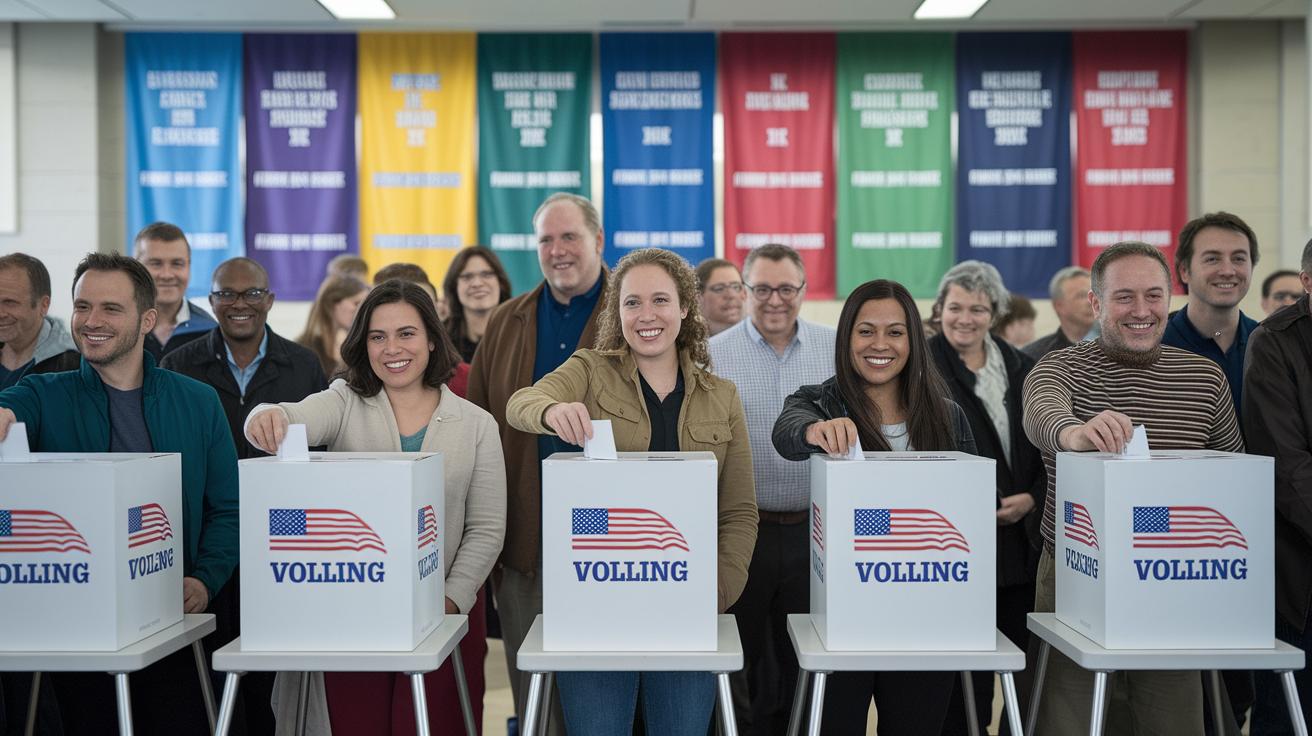
After landmark court decisions, lawmakers made changes that reshaped electoral maps and boosted voter registration. They got rid of old rules like grandfather clauses and literacy tests, opening doors for Black political participation. This shift has given more community members a chance to influence public policies. Imagine busy polling places filled with citizens who once felt overlooked, every vote now builds a stronger community.
When cases like Shelby County v. Holder were decided, many states responded by introducing tough voter ID laws and redistricting measures. These new rules have sparked legal challenges that test the balance between state power and the need to protect voting rights. It’s a bit like a game of chess, each move changes how rights are checked and enforced, and judges step in to correct the imbalances.
Yet, problems like economic segregation, unequal education, and police misconduct still affect communities. These issues remind us that even though the way we vote has improved, ongoing challenges mean we need to keep working for real change.
Future Outlook on Civil Rights Court Headline Decisions

There are a number of cases on the horizon that might change how we view voting rights, LGBTQ+ protections, and police reform. Activists and community groups are calling for clear rules and fair systems by pushing to replace outdated barriers. Imagine a small town coming together behind a case that promises every vote a fair chance, a modern echo of historic turning points. These cases could become keystones in opening up our democracy.
On the constitutional front, a fresh wave of debates is stirring up attention as the Supreme Court takes on cases that challenge well-worn legal ideas. Judges and everyday citizens alike are watching closely, curious to see if a new ruling might adjust our understanding of fundamental rights. In short, emerging controversies may lead to decisions that reshape the language and practice of our legal system in unexpected ways.
Final Words
In the action, landmark rulings remind us how law can power shifts in civil liberties. Each decision, from Smith v. Allwright to Shelby County v. Holder, has helped shape public policy and media perception while driving social changes.
Progress unfolds as experts and enthusiasts refine their understanding civil rights court headline decisions. These cases spark meaningful debates and foster hope for a future where fairness and equal rights take center stage.
FAQ
What are some famous civil rights cases?
The list of famous civil rights cases includes landmark Supreme Court decisions and racial court cases that have shaped how laws protect voting rights and equal treatment throughout history.
What civil rights cases from the 1960s stand out?
Civil rights Supreme Court cases from the 1960s break discriminatory barriers and helped change voting laws, boosting protections for all citizens by addressing inequalities in access and participation.
What do the Civil Rights Cases (1883) refer to and what were the five cases?
The Civil Rights Cases (1883) refer to a set of decisions that grouped five cases; together, they limited federal protection against racial discrimination and have influenced later legal interpretations.
How significant were the Civil Rights Cases of 1883 and what did the Supreme Court decide about them?
The decision on the Civil Rights Cases of 1883 held that constitutional guarantees did not extend to private acts of racial discrimination, marking a shift in how civil rights were legally protected.
What levels of scrutiny do courts apply in civil rights cases?
Courts review civil rights cases using levels like strict scrutiny (a very high standard of review) and intermediate scrutiny (a moderate level of review) to judge if laws unjustly restrict constitutional rights.
What does the court write in its decision and what steps are involved in the Supreme Court’s decision process?
The court writes a detailed opinion explaining its ruling, beginning with a review of the facts and legal issues, followed by arguments, analysis, and a final opinion outlining its legal reasoning.
What are some recent civil rights Supreme Court cases and their impact?
Recent civil rights Supreme Court cases, such as Shelby County v. Holder, have reshaped federal oversight on voting laws, influencing state election practices and sparking debates over voter protection today.