



Ever wonder why some cases get heard in one court and not another? It's all about jurisdiction. Jurisdiction means a court has the power to decide a case, kind of like a referee making sure the game is played by the right rules in the right place.
In everyday terms, jurisdiction sets the boundaries for which court can take on a case. This applies to issues involving people, property, or any claims made. Without the proper jurisdiction, a decision might not hold up, no matter how strong the case may seem.
So, next time you hear about a legal decision, remember that it's not just about the case itself, it’s also about whether the court had the proper authority to hear it. Understanding jurisdiction helps you see why having the right legal power is key to a fair and just process.
Understanding Jurisdiction: Definition and Legal Context
Jurisdiction is the power of a court to decide cases and make decisions that matter. It is both a big idea and a practical rule used in court cases. Think back to what Justice Holmes once said, that the basis of jurisdiction was rooted in physical power. Back then, courts relied on having real, physical control. But now, courts can use their power even when people aren’t physically present. This change shows that jurisdiction goes far beyond just physical presence.
Jurisdiction covers who a court can deal with, what property it can control, and what cases it can hear. In other words, a court needs both the right to listen to a case and the power to make a binding decision. Imagine a dispute that mixes issues like property rights and personal injury; the court has to check if it is allowed to rule on both. Each element works together to give courts the full ability to bring about justice.
When it comes to legal cases, understanding jurisdiction is essential before moving forward. If a court doesn’t have a clear link to the people involved, the property in question, or the claim itself, it simply can’t make a legal decision. This blend of an abstract idea and a real, working rule is a cornerstone of our legal system, making sure that every decision is backed by solid authority.
Territorial Jurisdiction: Courts’ Geographical Authority
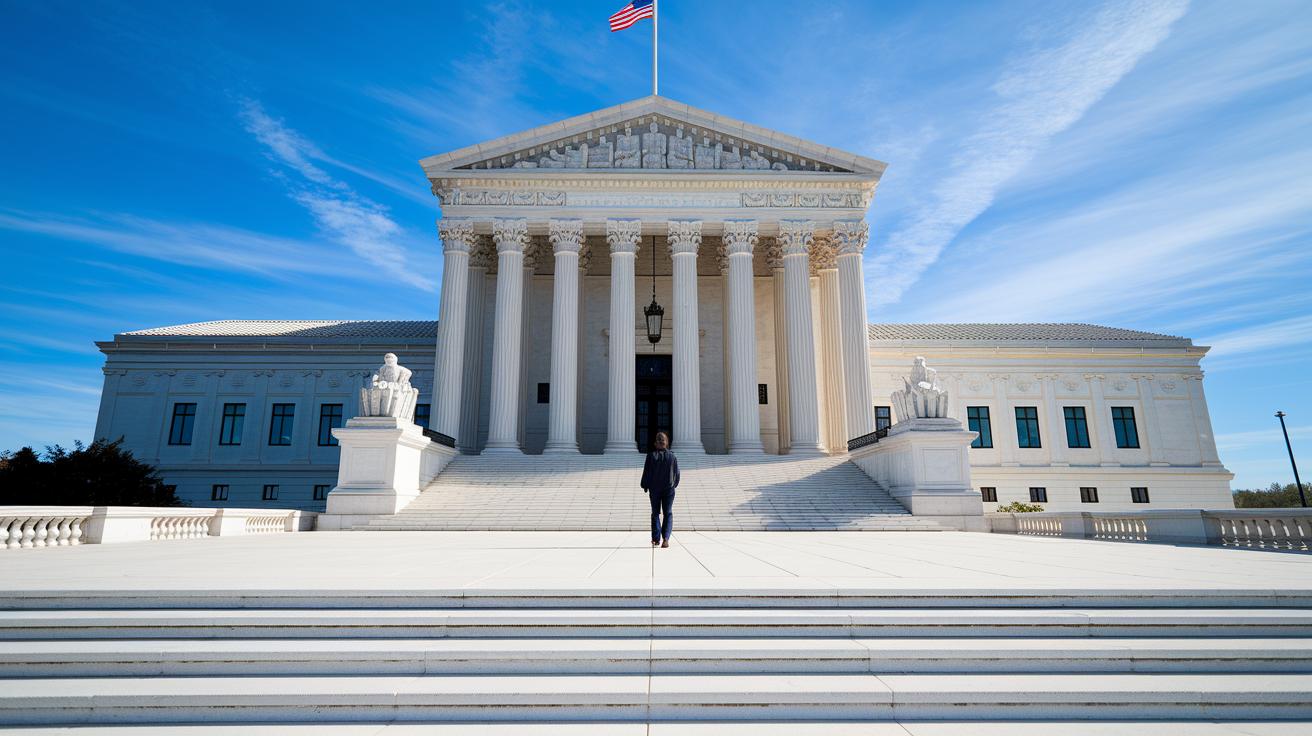
Territorial jurisdiction means a court’s power is limited by geography. This simple idea tells you exactly where a court can make its decisions. Federal courts handle cases from all over the country, while state courts are limited to their own state borders. Meanwhile, local courts work within specific cities or counties.
These limits come from laws and even the Constitution, which tell courts exactly where their power starts and stops. For instance, a state law might say a court can only decide cases from events that happen within the state. This way, both people and businesses know which court should handle their case based on where things occurred.
Imagine an incident happening in a small town. The local court in that town would be the right place to resolve it. But if a business dispute spills across several states, it makes more sense for a federal court to step in because it covers the whole nation.
| Jurisdiction Type | Geographical Scope | Example |
|---|---|---|
| Federal | Nationwide | U.S. District Courts |
| State | Statewide | California Superior Court |
| Local | County/Municipal | NYC Civil Court |
Subject Matter and Personal Jurisdiction: Determining Court Competence
Subject Matter Jurisdiction
Subject matter jurisdiction is simply the legal power a court has to hear certain types of cases. The law lets a court decide only those cases it is meant to, much like each puzzle piece fitting perfectly into its slot. For example, if a dispute centers on a contract, only a court set up to handle contracts can decide the case. Think of it as building your case piece by piece, you can’t force a piece where it doesn’t belong. A bankruptcy court, for instance, only manages bankruptcy cases because its power is limited by statute.
Personal Jurisdiction
Personal jurisdiction means the court has the authority to deal with the people involved in a lawsuit. In simpler terms, a court must show that the person or company (defendant) has enough of a connection to the state where the court is located. For example, if an accident happens in Pennsylvania, a Tennessee court usually can’t rule over someone with no links to Tennessee. This setup helps ensure the decision is fair by judging cases involving people connected to the state. Companies often appear in the courts where they do most of their business, and individuals can be brought to court in the state where they live or work.
These factors help clear up how personal jurisdiction is established:
| Factor | Explanation |
|---|---|
| Physical presence | Being present in the state when the event occurred |
| Consent | Agreeing to submit to the court’s authority |
| Minimum contacts | Having enough connection with the state (for example, doing business there) |
| Long-arm statutes | Laws that allow the state to reach out to defendants from other states |
Statutory and Constitutional Limits on Jurisdiction
Federal courts get their power from Article III, Section 2 of the U.S. Constitution and important laws like 28 U.S.C. §§ 1331–1369. These rules tell courts what kinds of cases they can handle, a bit like setting the boundaries for a game. For example, the law clearly lists which matters belong in federal court, ensuring every case stays in its proper spot.
State courts, on the other hand, draw their authority from state constitutions and local laws made by state lawmakers. These rules outline which cases can be heard in state court and define how far a state court’s power goes. Think of these laws as guardrails that keep a court from straying into issues it shouldn’t decide.
The Constitution also adds extra limits with rules like due process and equal protection clauses. In simple terms, these clauses ensure that every legal process is fair and that our rights are respected. They set clear standards on who can be brought into a court, so no one ends up far away from home or handling a case they shouldn’t be part of. Together, these statutory and constitutional rules work like a well-organized plan to keep our legal system fair and clear.
Venue and Case Examples: Applying Jurisdiction in Practice
Federal venue rules under 28 U.S.C. § 1391 guide where to file a case. These rules look at where the people live or where the important events happened. For instance, if someone gets hurt in a car accident in a busy city, the local court near the accident usually has the authority because that’s where it occurred. Similarly, if a business dispute starts because of events in one state, that state’s courts will likely handle it. This system makes sure cases are heard where they are most connected, keeping things fair and practical.
Another tool courts use is the forum non conveniens rule (a legal idea that allows courts to move a case to a more convenient location). Think about a situation where most witnesses and evidence are gathered in one area, but the case was filed in a different region. In a case like Piper Aircraft Co. v. Reyno, a court may decide to shift the case to a location that can handle it better. This move eases the burden on local resources and makes the whole process smoother for everyone.
In commercial disputes, parties sometimes decide in advance where any legal issues will be handled by using a forum-selection clause. For example, if two companies agree in a contract that any disagreements will be resolved in a New York court, that court usually takes charge, even if the business mostly happens in another state. For personal injury cases, the choice of venue depends on where the incident happened. This ensures local rules and community standards are applied. In both instances, having clear venue and case selection criteria helps the court show a strong connection to the issue and keeps the legal process consistent and effective.
International and Maritime Jurisdiction: Beyond Borders

Maritime jurisdiction, sometimes called admiralty jurisdiction, deals with legal issues on busy waterways and the contracts made for shipping. Under 28 U.S.C. § 1333, courts handle cases like ship collisions and disputes over shipping agreements. When trouble arises at sea, specialized judges use admiralty law to work through the problem step by step.
International jurisdiction comes from treaties like the Hague Service Convention and decisions by arbitration panels such as ICSID (a body that helps resolve investment disputes). Courts and tribunals lean on these agreements to settle disagreements that cross national lines. In these cases, legal decisions weigh factors that go beyond one country, finding the most convenient place for everyone involved to have their day in court.
Legal systems work together using both maritime and international rules to sort out issues that don’t fit neatly inside one country’s borders. For example, the idea of forum conveniens lets courts move a case to a region that can better handle its details. This teamwork between legal frameworks shows how judges keep things fair even when cases cross several legal territories.
Final Words
In the action, this article unpacked jurisdiction definition law from its basic meaning to its role over persons, property, and cases. We broke down how courts determine authority through territory, subject matter, and personal connections, and discussed the impact of statutes, constitutional limits, and real case examples. We even touched on cross-border matters in maritime and international cases. Every section built a step-by-step guide to help clarify these legal concepts. Keep building your understanding and confidence in these principles for a stronger legal practice.
FAQ
What is a jurisdiction example?
A jurisdiction example shows how courts have legal authority limited to a specific area, such as how a county court handles cases only within its boundaries.
What is original jurisdiction definition law?
Original jurisdiction is the power of a court to hear a case for the first time, meaning it can rule on matters before any appeals are made.
What is jurisdiction in criminal law?
Jurisdiction in criminal law refers to a court’s authority over crimes, determined by where the offense happened and the involved individuals.
Why is jurisdiction important?
Jurisdiction is important because it ensures that legal cases are heard by the proper court, maintaining fairness and order by linking cases to specific regions or subjects.
What is state jurisdiction definition?
State jurisdiction means the legal authority a state court holds within its borders, overseeing cases, people, and property tied to that geographic area.
What are the types of jurisdiction in criminal law, or what are the four types of jurisdictions?
The four types include territorial, subject-matter, personal, and appellate jurisdiction, each defining court power based on location, case type, people involved, and review of decisions.
What does Black’s Law Dictionary say about jurisdiction?
Black’s Law Dictionary defines jurisdiction as a court’s legal power to hear and decide cases, combining elements of geography, subject matter, and personal authority.
What is proof of jurisdiction?
Proof of jurisdiction is evidence that a court has the proper authority to try a case, such as showing a connection between the court’s area and the case or parties involved.