



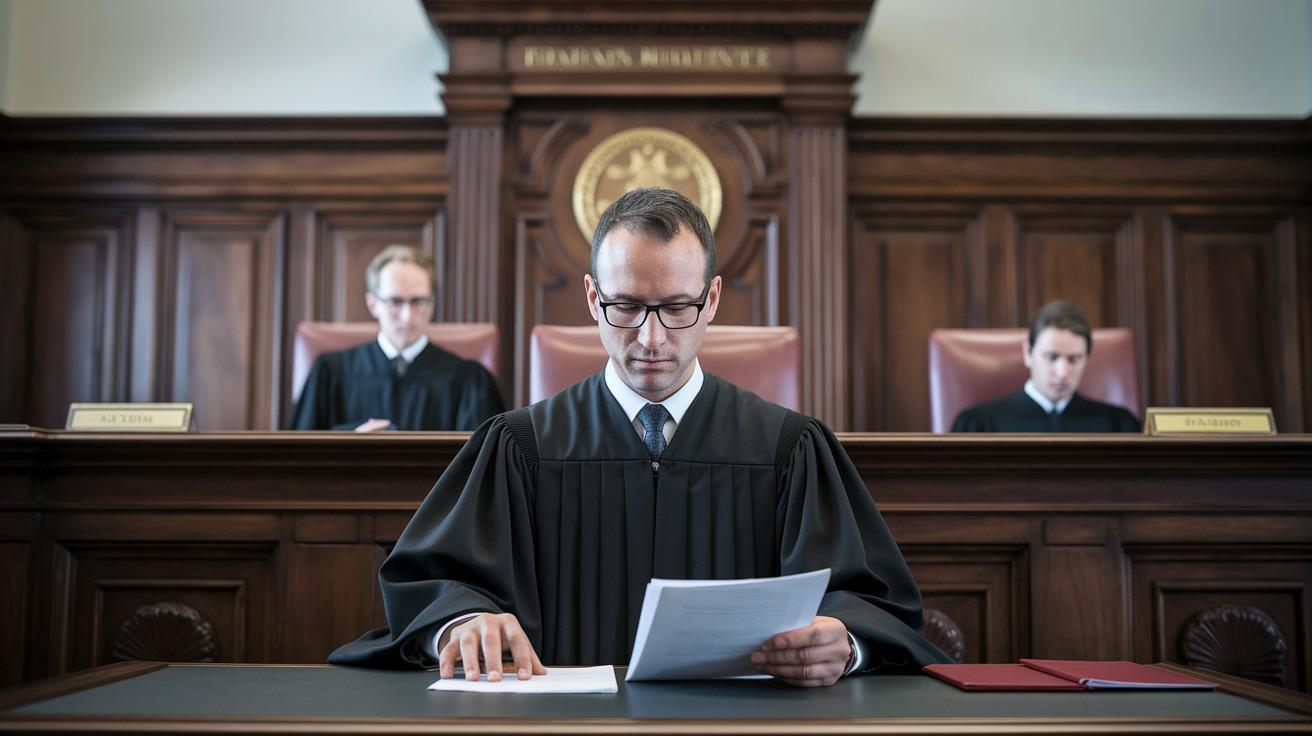
Ever wonder what happens when a court finally calls a case to a close? This final step is called adjudication. It means that a judge or a group of people (a jury) has given a clear decision to settle the dispute. Think of it like finding the last piece of a puzzle that completes the picture.
In simple terms, adjudication wraps up legal arguments, whether it’s a criminal charge or a disagreement over money, and brings everything to a neat end. It’s the moment when all the facts are put together, and a final call is made. Ready to walk through how these pieces fit together?
Legal Definition of Adjudication: Meaning and Context in Law
Adjudication is simply the final answer a judge or jury gives when a dispute is over. It marks the moment when a legal claim is officially resolved, bringing the case to an end. Black’s Law Dictionary explains it as “the giving or pronouncing a judgment or decree in a cause,” which basically means it's the clear decision that settles the conflict.
In criminal cases, adjudication is seen when a trial ends with a verdict of guilty or not guilty. Sometimes, if someone is a first-time or non-violent offender, the court might hold back on a formal decision if they finish probation (a period of supervision). Bankruptcy cases show adjudication when final orders are given to sort out disputes between debtors and creditors. And when it comes to unemployment claims, adjudication decides if a claimant meets all the necessary criteria for benefits after a hearing.
Think of it like putting together a puzzle, each piece of evidence fits until the complete picture of the case appears. Adjudication works the same way, providing a clear and final resolution that all parties can count on. This process not only gives a sense of closure but also reinforces the strength and reliability of our legal system.
Adjudication Process: Step-by-Step Judicial Procedure

The adjudication process is the clear road that takes a legal claim from start to finish, ending with a final verdict and sentencing. Each step helps make sure every piece of evidence is looked at and that the decision is fair.
-
Filing Charges or Claim Submission
It all begins when someone officially files a complaint or charge. This is when a dispute enters the court system, like placing the first piece of a puzzle. Imagine a person submitting a claim, which sparks the need for legal action. -
Preliminary Hearing or Arraignment
Next, the court holds its first meeting, called a preliminary hearing or arraignment. In this step, the defendant (the person accused) hears the charges against them and gets a chance to say if they are guilty, not guilty, or choose not to contest. Think of this as the moment you first learn about serious allegations in a courtroom. -
Trial Proceedings
After the arraignment, the trial begins. Both sides bring in their evidence and witnesses to explain their side of the story. Lawyers present their arguments and challenge each other's evidence through cross-examination (asking questions to test a witness's answer). Imagine this process like building your case, one piece at a time, until the full picture becomes clear. -
Verdict
Once all the evidence has been shown and the arguments made, a judge or jury makes a final decision. The verdict may say the defendant is guilty, not guilty, or lead to charges being dismissed. It’s like putting together the last piece of a puzzle. -
Sentencing
If the verdict is guilty, the next step is sentencing. The judge decides on the punishment based on the case details and legal guidelines, which might include fines, probation, or other corrective actions. Think of this step as the final act in a play where the outcome determines what happens next.
Types of Legal Adjudication Across Case Contexts
Check out the table below for a quick look at how legal decisions work in different settings. This handy guide builds on what we discussed earlier about adjudication in cases like criminal justice for first-time, non-violent offenders on probation, as well as in bankruptcy and unemployment matters.
| Context | Purpose | Outcome |
|---|---|---|
| Criminal Proceedings | Gives eligible offenders a break by delaying or holding off a final decision | Allows a defendant to steer clear of a formal conviction by completing probation |
| Bankruptcy | Helps settle disagreements between those who owe money and those who are owed | The court sets up a plan that outlines how debts will be repaid |
| Unemployment | Looks at the facts in a way similar to a trial to decide if someone can get benefits | Decides whether a claimant qualifies for unemployment support |
For example, if you’re explaining how criminal adjudication can offer a second chance, you might say, "Before being formally convicted, first-time, non-violent offenders might complete probation instead of ending up with a permanent legal record."
Adjudication vs. Alternative Dispute Resolution Methods

Adjudication is a legal process where a judge or jury listens to the case and delivers a final decision that everyone must follow. It stands out from other methods because it provides a clear, enforceable verdict.
Mediation is a more relaxed option. In this process, a neutral person sits down with both sides to help them reach an agreement without deciding for them. It’s a bit like working out house rules together instead of having one set in stone.
Arbitration is a bit more formal. Here, one or more arbitrators hear both sides in a structured setting and then issue a final decision that must be followed. You can think of it as a mini trial outside a traditional courtroom.
Litigation is the usual courtroom route. A case goes before a judge or jury, and the decision is recorded in public, a verdict that carries weight because it comes out of formal court procedures.
In contrast, adjudication gives you a strong legal judgment that is both binding and enforceable.
- Mediation: A voluntary process with a neutral helper where no binding decision is made.
- Arbitration: A formal hearing outside of court where the decision is final.
- Litigation: A public courtroom process that results in an enforceable judgment.
Each method has its own steps and works best depending on the needs of the dispute.
Historical Development of Adjudication in Legal Systems
Adjudication first appeared in medieval English common law. Back then, when a case was decided, the final ruling ended the dispute, almost like snapping the last piece into a puzzle. It was a simple idea that evolved into a central part of our legal system.
Later on, Black’s Law Dictionary helped formalize the term. In its 1891 entry, it defined adjudication as “the giving or pronouncing a judgment or decree in a cause.” This clear explanation helped courts shape modern legal practices for both criminal and civil cases over the years.
For a closer look at its early roots, you might want to check out this detailed explanation. Each step in its evolution strengthened adjudication, making it a solid foundation for fair and reliable legal decisions.
Roles and Responsibilities of Adjudicators in Courts
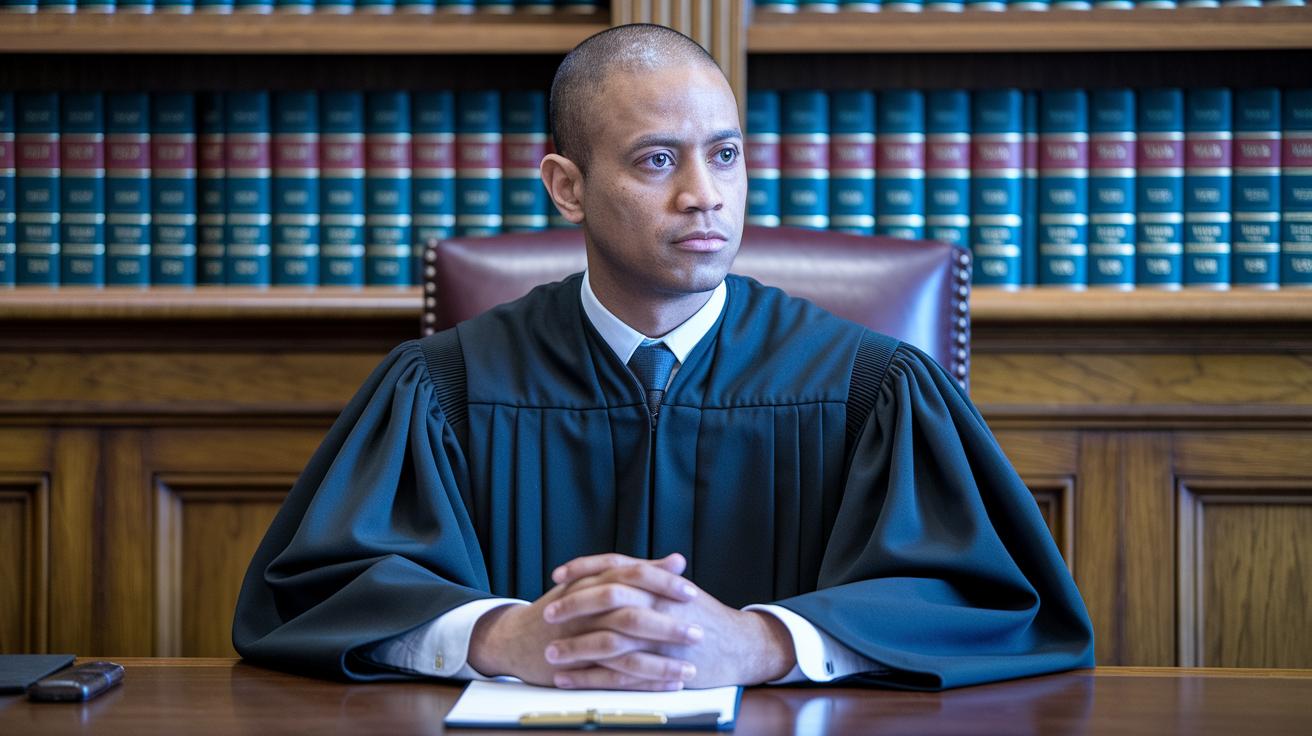
Judges form the heart of our courtrooms. They run the hearings and guide the discussions, making sure every step follows the rules, kind of like a trusted referee in your favorite game. In bench trials, a judge listens very carefully to all the evidence and arguments before writing down a clear decision.
Juries play an equally important part in jury trials by looking at all the evidence and helping to decide the verdict. Picture a group of neighbors coming together to piece the story into a full picture, carefully weighing every detail along the way.
Then there are the administrative adjudicators. These experts work in special tribunals and follow specific laws to settle disputes that usually wouldn’t make it into a regular courtroom. Think of them as specialists who really know the ins and outs of a particular set of rules, ensuring that fairness is always on the front line.
Attorneys are also major players in the courtroom. They’re the dedicated advocates who fight for their clients by debating evidence and presenting legal strategies one piece at a time.
- Judges: Run hearings and make decisions.
- Juries: Look at the evidence to decide what happens next.
- Administrative Adjudicators: Use special rules to settle unique cases.
- Attorneys: Stand up for their clients and argue every detail.
Common Challenges and Delays in Adjudication
When cases are complex and there are too many of them, it takes longer to finish the process. More details, extra evidence, and numerous witness testimonies mean that courts can slow down as they gather everything they need. Sometimes, busy courtrooms just can’t keep up with all the filings, which delays final decisions. For instance, a case with multiple charges might face lots of legal motions (requests for court rulings) that keep pushing the timeline back.
During the COVID-19 period, courts found themselves overwhelmed, especially with unemployment claims flooding in. Think of it like a crowded room where every extra file makes things even messier. And when both sides argue about key facts, more hearings and review sessions are needed, which slows the whole process even more.
Limited staff and old technology can also get in the way of quick case handling. That’s why many courts are now turning to digital filing systems and virtual hearings. These modern tools help cut down on delays and boost efficiency.
- Complex cases often lead to more hearings.
- The COVID-19 surge created huge backlogs.
- Digital and virtual tools offer faster ways to resolve cases.
Illustrative Case Studies of Adjudication Outcomes

Sometimes, juvenile cases show how the courts aim to help kids learn from their mistakes rather than just punish them. Think of a young person who gets into a minor offense. Instead of handing down a harsh conviction, the hearing leads to a decision focused on counseling, education, and community service to guide the teen toward a better future. After the hearing, the judge even mentioned, "This decision is less about punishment and more about giving a second chance," which shows their goal is to reform, not just penalize.
In another case dealing with a non-violent DUI, a defendant takes advantage of a stay of adjudication (an option that lets the court hold off on recording a formal conviction) under Florida Statute 948.01. Here, the judge agrees not to issue a final conviction if the person does well on probation. This approach helps the defendant avoid the long-term problems of a criminal record and even opens the door to having the records sealed. One legal expert noted, "Before the defendant left the courtroom, it was clear that the stay allowed them to move forward without a permanent mark on their record," pointing out the real benefits of this choice.
Then there’s a case about an unemployment benefits dispute. In this situation, the claimant's right to benefits is examined much like a simple trial. Both sides share their evidence, and the adjudicator makes a decision based on the facts presented. For instance, after a thorough review, the adjudicator confirmed the claimant’s qualification, ensuring they received the necessary support during tough times. These examples show that adjudication outcomes can differ based on the case details and the specific legal goals involved.
Final Words
In the action, we explored the legal definition and step-by-step processes behind adjudication meaning in law, detailed its various applications across case contexts, and compared it to alternative dispute resolution methods. We also traced its historical development, examined the roles of adjudicators, and shed light on common challenges. Real-life case studies brought these concepts to life. Each section built a clearer picture of how legal decisions shape outcomes. Embrace this clarity and apply these insights confidently in your legal work.
FAQ
What is the adjudication process?
The adjudication process involves filing charges or claims, holding hearings, conducting a trial, and ultimately rendering a legal verdict that leads to sentencing or other final decisions.
What is adjudication meaning in law?
The adjudication meaning in law refers to the act of giving a final legal decision, where a judge or court officially resolves disputes by issuing a judgment or decree.
What is an example of adjudication?
An example of adjudication is a criminal case where a trial is held, evidence is presented, and a verdict is rendered, leading to either conviction or dismissal of the charges.
How does adjudication work in criminal justice?
In criminal justice, adjudication refers to the process where courts review evidence, determine guilt or innocence, and then impose sentencing, which can sometimes include stays or alternative measures for eligible offenders.
What is the adjudication meaning in medical billing?
In medical billing, adjudication means the process through which insurance claims are reviewed, approved, or denied based on policy guidelines, ensuring that payments are properly processed.
What is adjudication vs arbitration?
Adjudication vs arbitration distinguishes a formal court process that results in legally binding judgments from a private, often voluntary, procedure where a neutral arbitrator makes binding decisions outside the traditional court system.
What happens after adjudication?
After adjudication, the final judgment is issued, leading to sentencing or other actions, and the parties involved may pursue further legal remedies such as appeals if the grounds exist.
What is the difference between a judge and an adjudicate?
The difference between a judge and an adjudicate is that a judge presides over court cases and issues verdicts in traditional trials, while an adjudicate, often an administrative adjudicator, handles disputes in specialized settings.