



Have you ever thought about how one word could change the outcome of a criminal case? In court, your plea is more than just an answer (plea: a formal statement in response to a charge). It lays the groundwork for everything that follows.
Whether you say "not guilty" or take a plea deal for a lighter sentence, your choice will guide the entire process. Each option affects how the trial is managed and can even shape the strategies used.
In this article, we break down what a plea means in law. We explain your key options and show how each one can steer your case in a different direction. Read on to discover how your plea can set the course for your legal journey.
Plea in Legal Context: Definition and Key Concepts
A plea is a defendant’s official answer to the charges they face in criminal court. When someone is arraigned, they state their plea, and that choice sets the direction for the case. If a defendant pleads not guilty, the prosecution must then prove every charge beyond a reasonable doubt, giving the defense time to build their case. One surprising fact: In one instance, an early not guilty plea completely changed the trial strategy and paved the way for a successful plea deal.
There are several common plea types. A guilty plea means the defendant accepts the charges, often in exchange for a lighter sentence, but it also means giving up rights like a jury trial. A no contest plea, on the other hand, lets defendants accept punishment without admitting guilt, which can help avoid extra civil liabilities. An Alford plea allows a defendant to claim innocence while admitting that the evidence might lead to a conviction. Lastly, a standby plea helps keep some rights in reserve for appeal while dealing with immediate concerns.
These definitions help clarify what a plea means in our legal system. Knowing your plea options is key as you navigate the maze of legal proceedings, every choice can shape the future outcome of a case.
Different Plea Types and Their Legal Meanings

A guilty plea is when a defendant admits to the criminal charges. This step is often part of a plea agreement, which can mean a lighter sentence compared to going to trial. But it also means giving up the right to a jury trial. For example, a defendant might say, “I’m pleading guilty to get a reduced sentence,” after weighing whether a long trial is worth the risk. This plea usually comes after discussions with prosecutors where both sides agree on the final penalty.
A not guilty plea means the defendant denies the charges, so the state must prove every part of the crime beyond a reasonable doubt (meaning the evidence must be clear). This choice keeps options open for more investigation and later plea deals. In simple terms, it’s like saying, “I’m ready to fight these charges,” which shifts the burden of proof to the prosecution. For instance, someone might enter a not guilty plea to give their defense team extra time to gather crucial evidence that eventually helps in negotiations.
A no contest plea, also called nolo contendere, is when the defendant accepts the penalty without officially admitting guilt. This approach is often used to avoid making admissions that could hurt them in related civil lawsuits. You can think of it like saying, “I’m not going to contest the charges,” without actually admitting that they did anything wrong. This can be a clever choice when a defendant wants to keep future legal options open without putting up a fight that might backfire later.
An Alford plea is a special kind of plea where the defendant still says they are innocent but recognizes that enough evidence exists to likely get convicted. It’s like telling the court, “Even though I claim I didn’t do anything wrong, I know the evidence against me would probably lead to a guilty verdict.” This option is sometimes chosen to avoid harsher penalties or the uncertainty of a trial. Each of these plea types has its own legal impacts that can shape the direction of a trial and affect future rights.
plea meaning in law: Clear Legal Insight
Plea bargaining is a common way to settle criminal cases without going to full trial. In simple terms, it’s a conversation between the defense and the prosecution where the defendant agrees to plead guilty or no contest in return for some benefits, such as fewer charges, a lighter sentence like community service, or even the dismissal of certain counts.
One big advantage of a plea deal is that it gives everyone a clear, predictable outcome. Both parties avoid the uncertainty of a trial, which can save time, money, and court resources. Imagine a defendant saying, “Okay, I’ll take the plea deal,” and quickly steering their case in a new direction instead of facing a long, drawn-out trial.
Of course, there are some trade-offs. Accepting a plea deal means giving up the right to have your case heard by a jury. This can sometimes put a lot of pressure on a defendant, especially if they feel cornered by a strong prosecution case. Here are some key points to keep in mind:
- Plea deal: A formal agreement where the defendant accepts a plea in exchange for specific concessions.
- Plea bargaining basics: It’s a process to negotiate legal outcomes, often allowing for reductions in the severity of penalties.
- Pros: Saves time, reduces resource use, and can lead to milder penalties.
- Cons: Involves giving up certain legal rights and might create a coercive atmosphere during the negotiations.
In the United States, more than 90% of criminal cases are resolved through plea agreements. This system helps manage heavy court caseloads while offering defendants some choices. It’s important to weigh the upsides and downsides carefully and discuss them with a legal expert before you decide on a plea arrangement.
Plea Hearing Process and Court Pleading Procedures
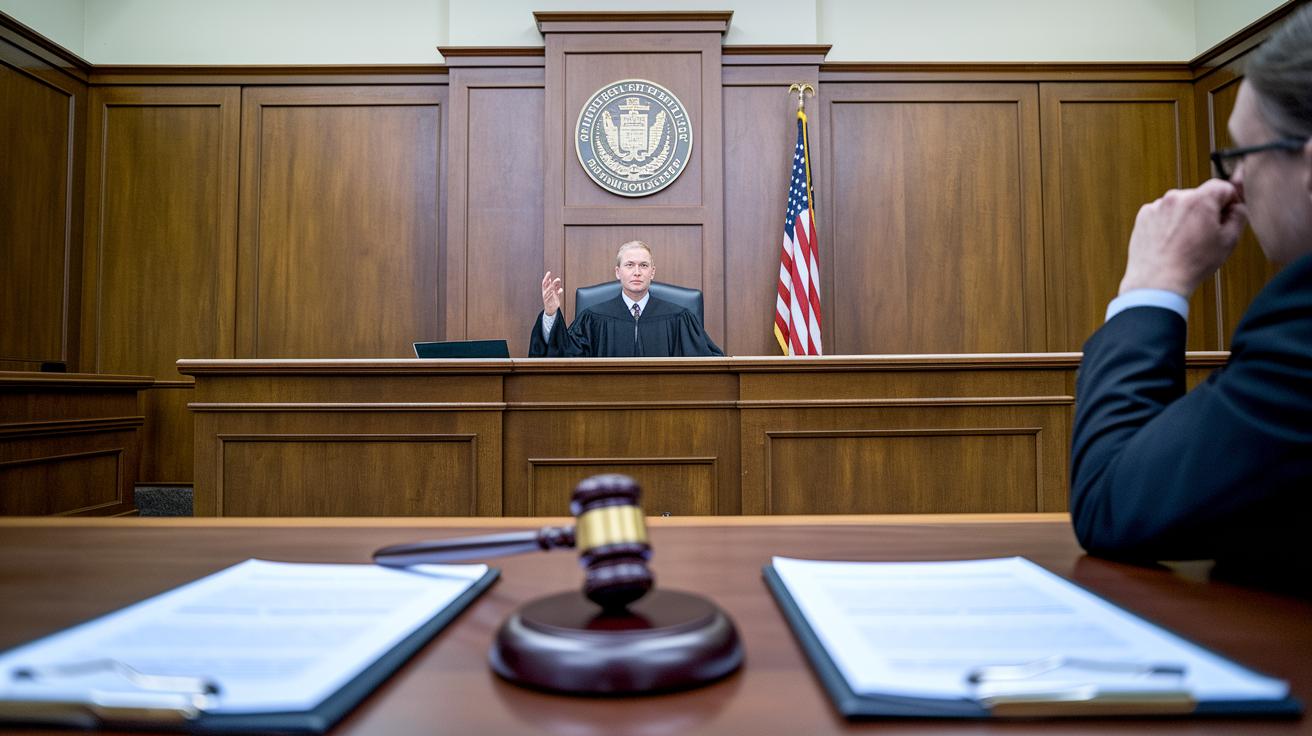
When someone shows up in court, they give their plea at an arraignment or during a special plea hearing. At this point, the judge makes sure the choice is made freely and with a clear head. For example, a judge might ask, "Do you understand that by pleading now, you're giving up your right to a trial by jury?" This simple question helps confirm that all their rights are explained clearly.
When the plea is given, the defendant fills out forms and answers questions about the facts of the case and which rights they are giving up. This step is in place to make sure everything is fair by checking that a lawyer is there to help and that the decision isn’t made under pressure.
If a defendant later decides to take back their plea, the court needs to see proof that the plea was made without full understanding or was forced. In plain terms, this whole process is a check to ensure that every plea is carefully considered, and that both the defendant and the system fully know what it means. The goal is to keep things fair and transparent all around.
Sentencing Impact and Legal Consequences of Pleas
When you enter a plea, you're not just starting your journey in the legal system, you’re also shaping the outcome of your case. If you choose a guilty plea, you might get a lighter sentence as part of a deal that could include probation, fines, or alternative programs. But remember, a guilty plea stays on your record forever and can cost you certain civil rights. For example, someone might say, "I'm accepting these penalties to avoid a long trial," even though they know the effects will last.
A no contest plea works much the same way. It limits your civil liability (which means you won’t be held responsible for some damages) and typically comes with penalties similar to a guilty plea. These plea choices can affect more than just your immediate sentence. They can influence your future job prospects, personal reputation, and overall legal standing. Plus, once you accept a plea deal, your options to challenge the verdict later become very limited.
In legal terms, a plea can help manage risks and clear up uncertainties in court, but it brings long-lasting trade-offs. Choosing a plea deal is truly a balancing act where the short-term benefits need to be measured against the long-term legal and personal consequences. A wise choice today can save you a lot of trouble tomorrow.
Common Misconceptions and FAQs About Pleas in Law

Many people think plea deals are always a bad deal. In reality, they offer clear, set outcomes and help keep court lines moving. Sure, some folks see them as an easy way out of a case, but often they protect everyone from the high cost and stress of a full trial.
Here are a few common questions:
-
Can you withdraw a plea?
Yes, you can, but only if you can show that you felt pressured or didn’t really understand the choice you were making. -
Does a no contest plea mean you're saying you're guilty?
No. When you choose a no contest plea, you accept the punishment without saying you’re guilty. This keeps your options open for related civil cases (civil cases are disputes between people over rights or responsibilities). -
Are Alford pleas common?
They’re not very common unless you’re in a high-risk situation where the evidence against you is very strong.
Your defense lawyer is key in this process. They make sure that any plea you enter is done with a full understanding and without any pressure. Knowing these points can clear up a lot of the confusion around plea deals.
Final Words
In the action, we explored the plea process from its definition to its role in court. We broke down how different plea types, guilty, not guilty, no contest, and Alford, affect case outcomes. We also covered the details of plea hearings, plea agreement pros and cons, and common questions on the topic. This overview helps clarify the plea meaning in law, making complex legal steps easier to grasp. Keep moving forward with this clear view, and remain confident about applying these legal insights.
FAQ
Q: What does plea mean in Hindi?
A: The plea in Hindi is commonly understood as a formal request or a legal statement made by a defendant in response to criminal charges.
Q: What does plea mean in Urdu?
A: The plea in Urdu translates to a formal statement made by a defendant in court, serving as their response to the charge.
Q: What is the plural of plea?
A: The plural of plea is pleas, referring to more than one formal response a defendant submits in criminal cases.
Q: What is an example of a plea?
A: An example of a plea is a not guilty plea, where a defendant denies the charges and requires the prosecution to prove the case in court.
Q: What are the five types of pleas?
A: The five common pleas are guilty, not guilty, no contest (nolo contendere), Alford, and standby. Each plea carries unique legal consequences based on the defendant’s response.
Q: Can you go to jail at a plea hearing?
A: A plea hearing can lead to detention if the conditions call for immediate custody, particularly when issues with bail or release have arisen.
Q: How do plea and plead differ?
A: A plea is a formal written or oral response in court, while plead is the act of making that response during legal proceedings.
Q: What is plea court in PA?
A: In Pennsylvania, plea court is where defendants enter their formal responses before a judge, ensuring that each plea is made knowingly and with proper legal advice.
Q: What does it mean to make a plea?
A: Making a plea means that a defendant formally responds to criminal charges in court, setting the process either for trial, sentencing, or plea negotiations.
Q: What is a plea in criminal law?
A: A plea in criminal law is a defendant’s official admission or denial of the charges leveled against them, which directs the subsequent legal proceedings.