



A Glimpse into the Future
Imagine a world where large-scale construction equipment is created in a fraction of the time and cost, tailored to specific project needs. That’s the future 3D printing promises for the construction machinery industry.
From Prototypes to Full-blown Equipment
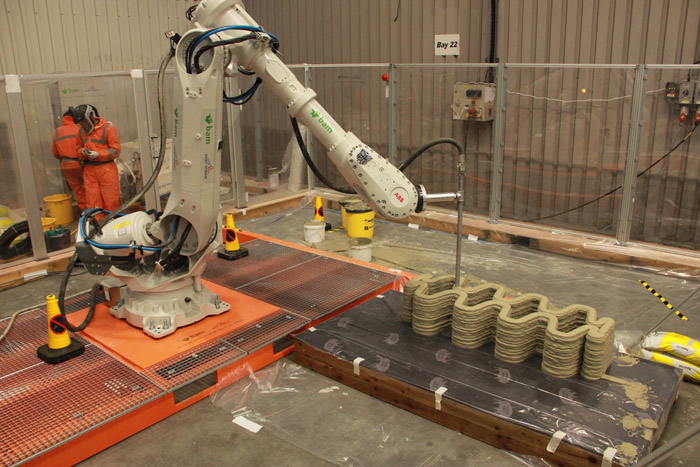
Traditionally, construction machinery has been built using manual labor, tedious processes, and significant resources. Now, 3D printing is enabling the rapid production of parts and even entire machinery. It offers customization options previously deemed impossible. Moreover, these machines are often lighter and more fuel-efficient.
Cost Reduction: A Game Changer
One of the prime benefits is the significant reduction in production costs. Less manual labor, fewer materials, and reduced wastage translate to significant savings. These savings could then be passed onto the customer, making construction projects more affordable.
Sustainability: An Added Advantage
3D printing also champions eco-friendly practices. It reduces the need for transportation of large machinery parts, thereby cutting down on carbon emissions. The ability to use recycled materials in the printing process further bolsters its green credentials.
The Fusion of Design and Functionality
Another pivotal advantage that 3D printing brings to the table is the harmonization of design and functionality. In traditional methods, aesthetics often take a backseat to functionality due to the complexities involved in intricate designs. With 3D printing, intricate, aesthetically pleasing designs can be achieved without compromising functionality. This gives architects and designers unprecedented freedom, allowing for the creation of machinery and parts that are as beautiful as they are effective.
A New Horizon for Workforce Training
3D printing’s rise in the construction machinery industry also signifies an era of new opportunities for workforce training. Traditional roles will evolve, necessitating the upskilling of workers to operate advanced 3D printing machinery and software. Educational institutions and industry veterans must collaborate, ensuring curriculums are updated to equip the next generation with the skills they need. This shift not only guarantees job relevance but also opens doors to innovative roles and specializations within the industry.
Embracing Innovation for Competitive Advantage
As the construction machinery industry inches closer to a 3D-printed future, embracing innovation becomes crucial for maintaining a competitive edge. Companies that adapt early to 3D printing can streamline their operations, offer cost-effective solutions, and cater to the evolving needs of their clients. Just as the industry has learned from lessons on how to choose the right lightbulb for every room in your home, being proactive in adopting new technologies can lead to efficiency, sustainability, and improved customer satisfaction. It’s not merely a revolution; it’s a redefinition of construction machinery as we know it.
Challenges Ahead
Of course, like any revolutionary technology, there are challenges. There’s a need for skilled operators who understand both construction and 3D printing intricacies. Quality assurance is another concern. But with advancements in technology and training, these hurdles are likely to diminish.
Lessons from Other Industries
Several sectors have already seen a significant transformation due to 3D printing. The healthcare sector, for instance, is using this technology for prosthetics and even organ printing. Drawing insights from how to cope with sudden disability, we see that embracing change and technology can bring transformative solutions. Likewise, the construction machinery industry can adopt and adapt to ensure success.
Conclusion
3D printing in the construction machinery industry is not just a trend; it’s set to become a cornerstone. It promises affordability, sustainability, and efficiency. As with any disruptive technology, early adopters will have the edge. It’s time for stakeholders to take note, invest in research, and adapt to the wave of change.