



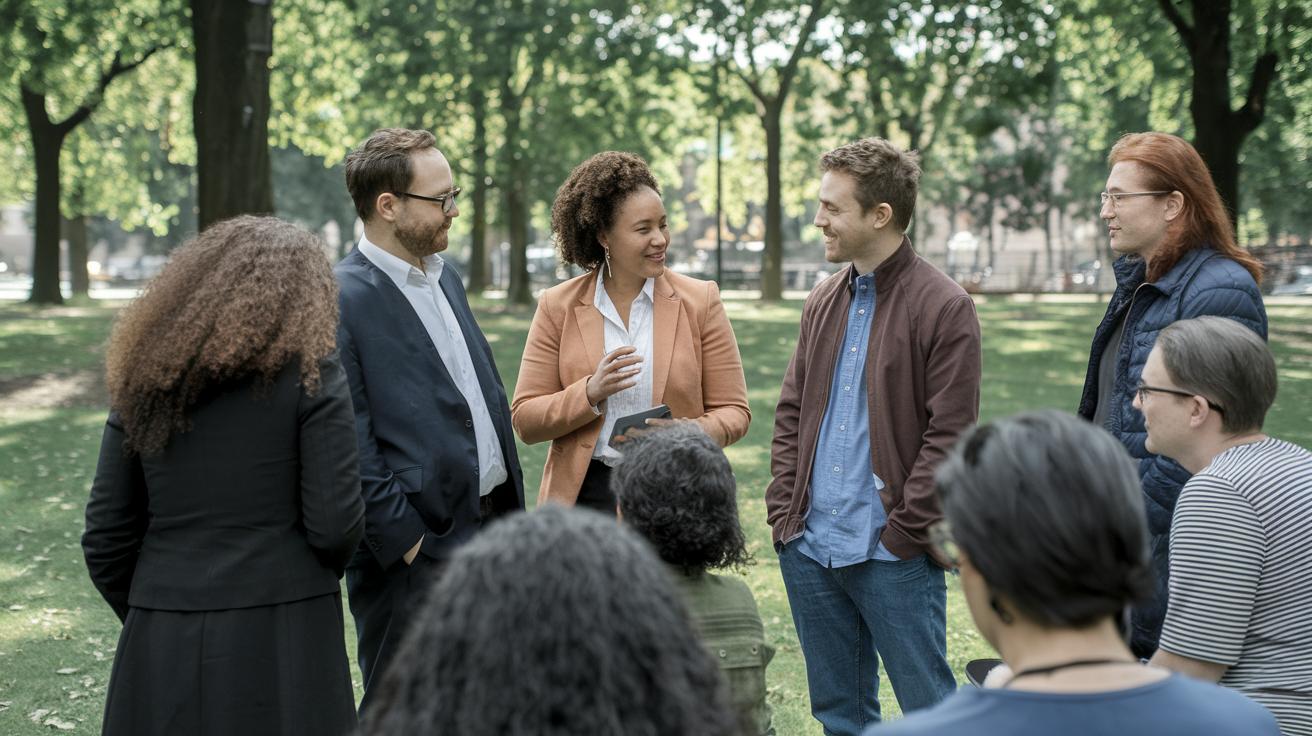
Ever wonder if the law can help bring communities closer together? Programs like the Summer Law Institute show that legal help can reach urban youth. Legal outreach is when experts share their know-how with people who rarely get legal support (assistance with legal matters). Think of it as putting together a puzzle: every piece, from setting clear goals to building strong partnerships, fits together to create a complete picture of community impact. In this article, we explore how legal outreach can boost academic success and build a caring network that helps lift everyone up, one step at a time.
Strategic Framework for Legal Outreach: Key Components and Best Practices

Legal outreach is all about bringing the law right into our communities. It connects lawyers with people who might not have easy access to legal help. Take programs like the Summer Law Institute and the College Bound 4-Year College Access Program. They work with low-income, urban youth in New York City, helping them gain both academic and social skills grounded in legal learning. These programs target key goals such as reaching a 100% high school graduation rate, achieving a 98% four-year college matriculation rate, and hitting a 95% college graduation rate. Think of it like putting together a puzzle, each piece, whether it’s the curriculum or resource planning, contributes to a full picture of community strength. For instance, you might set a goal with a surprising start: "Eighty percent of students from these programs secure college placements, showing just how transformative targeted outreach can be."
- Define clear outreach goals that speak directly to what your community needs.
- Bring in partners from different areas (like law schools, nonprofits, and businesses) so you can share knowledge and resources.
- Set up simple rules to keep everything fair and safe, like getting parental permission and checking data privacy for minors.
- Use clear benchmarks, tracking things like high school graduation and college entry rates, to see how you’re doing.
- Listen to community feedback and tweak the program regularly by reviewing progress and gathering input from everyone involved.
All these parts come together to form a smart, clear strategy for legal outreach. By setting clear goals, partnering with diverse groups, following solid guidelines, and measuring your success, you can tackle community needs step by step. This approach not only boosts academic achievements but also builds a caring network that keeps improving based on real feedback, paving the way for lasting success in legal education and community growth.
Designing a Legal Outreach Program: Goals, Compliance, and Timeline

When building a legal aid outreach program, the first thing you need is clear, simple goals. Think of setting targets like spreading the word about legal rights in underrepresented areas or preparing students to succeed academically. Take the Summer Law Institute as an example, it uses hands-on activities with eighth graders to show how a well-planned program can really change communities.
It’s just as important to create a solid safety net. This means steps like getting parental consent, working closely with school districts, and following strict data privacy rules for minors. These measures build trust and ensure the program sticks to legal standards while still offering valuable learning experiences.
For five weeks, the Summer Law Institute runs a daily schedule from 9:00 AM to 4:00 PM. Mornings begin with classroom lessons covering topics such as stop and frisk, search and seizure (the legal process where police search for and collect evidence), evidence, arraignment (a formal reading of charges), and bail (money given to secure release from jail). After lunch, students join interactive discussions with legal experts and even take field trips to local courts. The day wraps up with hands-on practice and mock trials, giving a real feel for how the justice system works. The program is designed for eighth graders in Brooklyn, the Bronx, Manhattan, and Queens, with Staten Island students allowed but not actively targeted, all while keeping everyone’s data safe with strong protection measures.
Legal Outreach: Powerful Community Impact

Strong volunteer networks of attorneys start with smart recruitment. Outreach connects with law schools, bar associations, and professional groups, inviting lawyers to act as mentors, debate coaches, or even chaperones on field trips. For instance, some join a 10-week mentorship program where they guide students through mock trials and case studies, mixing real-world skills with community service.
Good training programs give these volunteers practical skills and the confidence they need. Programs like summer law academies and high school legal workshops offer hands-on sessions, role-playing drills, and detailed case studies. Partnerships with law firms and corporations also pitch in with resources and organized mentorship so that volunteers are well-prepared to meet community needs and offer clear legal advice.
Keeping these volunteer networks strong relies on continuous teamwork and open communication. Regular feedback sessions, networking events, and set roles, like monthly debate coaching, help keep professionals committed. By using established networks and scheduling regular training sessions, legal outreach programs build a vibrant team of volunteers dedicated to delivering pro bono community support.
Legal Outreach Case Studies: Community Initiatives and Outcomes

Case studies help us see how smart legal outreach can change communities for the better. By checking out different projects in real-life settings, we learn from actual results and the tweaks made along the way. This review, detailed in the recent legal case study analysis (a deep look at how legal strategies work), shows how various programs address community needs while making clear, measurable gains.
| Initiative | Target Group | Key Outcomes |
|---|---|---|
| Summer Law Institute | Eighth graders in NYC | 100% high school graduation; 98% college entry; stipends provided |
| Veteran Benefits Appeals | U.S. veterans | Help with supplemental claims and higher-level reviews; deadlines from 90 days to 1 year |
These examples, together with efforts like the AFFF litigation outreach that tackles PFAS exposure linked to serious health issues, show why planned legal outreach is so vital. The key takeaways include setting clear goals to track progress, ensuring quick access to legal support, and keeping an open line of communication with community members.
In short, these targeted initiatives not only offer immediate legal aid but also build long-term benefits in education and health. This shared experience not only guides future outreach but also helps replicate successes and adjust strategies as community needs evolve.
Measuring Impact in Legal Outreach: Metrics and Evaluation Frameworks

The first step is figuring out which numbers matter most. Think about graduation rates, the number of students heading to college, or even claim approvals. These figures act like signposts that show whether the program is hitting its goals. By gathering some starting data, like a college matriculation rate of 60%, you have a clear reference point. So when the rate jumps to 98%, everyone sees that progress is truly happening.
Deciding on these measures isn’t just picking random numbers; it means really understanding what the community needs. Programs often start with surveys that capture each participant’s skills and dreams. We use this baseline data to pinpoint where extra support is needed. Checking in with periodic reviews helps keep everything on track and strengthens the program’s mission, making outreach efforts reliable and transparent.
Collecting the data is a mix of different methods. Imagine handing out a quick survey right after a workshop or even making a follow-up call after a service encounter. These simple steps provide a real-time glimpse into how satisfied people are with the program. With methods like these, organizers can fine-tune support and offer help that’s just right for those who need it.
Finally, it’s time to compare current results with your initial benchmarks. Reviewing survey answers and tracking case progress lets you see what’s working and what isn’t. Regular feedback sessions, combined with insights from legal colleagues and networks, lead to small, informed adjustments. These tweaks ensure that the outreach stays both effective and responsive to real community needs.
Resources, Partnerships, and Funding Strategies for Legal Outreach

Start by finding partners from different fields. You might look to law schools such as Columbia and NYU, local nonprofits, and companies that care about legal education and community support. Connecting with these groups adds more resources and brings in a wealth of know-how. Also, consider reaching out to community groups active in low-income areas, like indigent legal services (free or low-cost legal help), to get real, on-the-ground insights.
Next, focus on funding through grants and other opportunities. Write clear proposals for grants from foundations, government bodies, and corporate social responsibility programs. Your proposal should highlight specific goals, budget details for staff, materials, and stipends, and include testimonials or case studies from your partners. Think of the proposal as a way to show the true impact of your work, making it easier to get the funds you need to keep your program growing.
Finally, make use of resource centers and helpline tools for legal assistance. Tools like attorney directories and call center systems are valuable for coordinating outreach and giving quick support to those who need it. These systems help keep communication simple and ensure that legal help is provided in a timely and effective manner.
Final Words
In the action from the start, we broke down the steps needed for effective legal outreach. We covered setting concrete program goals, engaging key partners, following proper compliance measures, and tracking progress through measurable benchmarks.
Each section shared real-world examples from program design to volunteer engagement. These insights offer practical advice for building legal outreach that drives community impact and deepens legal understanding. The future looks bright as you put these strategies into practice.
FAQ
What is legal outreach meaning?
The legal outreach meaning is connecting people with legal help and education. It involves programs that offer legal support to communities who might otherwise have limited access.
What is a legal outreach lawsuit?
The legal outreach lawsuit typically refers to legal actions tied to outreach programs. It can involve disputes over service delivery or disagreements on program guideline enforcement.
How are legal outreach reviews conducted?
The legal outreach reviews involve evaluations by program participants, legal professionals, and community members. They help gauge the program’s effectiveness, transparency, and areas needing improvement.
What types of legal outreach jobs exist?
The legal outreach jobs include roles such as attorney mentors, program coordinators, volunteer trainers, and support staff. Each position plays a part in delivering legal education and community support.
What does the legal outreach application process involve?
The legal outreach application process involves submitting forms that detail eligibility, experience, and community commitment. Review panels then assess candidates to determine the best fit for available programs.
What is Moodle legal outreach?
The Moodle legal outreach uses the Moodle platform to offer online legal education modules. It provides flexible, accessible training and helps expand outreach efforts digitally.
What is the Legal Outreach Summer Law Institute?
The Legal Outreach Summer Law Institute is a five-week program that provides legal education for middle school students. It introduces key legal concepts through immersive, hands-on learning experiences.
What is API Legal Outreach?
The API Legal Outreach is focused on supporting Asian and Pacific Islander communities with legal education and assistance. It aims to address specific legal challenges and improve access to justice.