



Ever gotten a ticket that just didn’t seem right? Maybe the details were off or things happened too fast. In this guide, you'll learn simple steps to challenge a traffic ticket. First, compare your ticket to local laws and gather any good evidence you can find. This careful check might reveal small mistakes that work in your favor. Next, question every detail, from how your speed was measured to missing signatures. One little error might be your key to a fair outcome.
Step-by-Step Guide to Contesting Your Traffic Ticket

Start by giving your citation a close look. Check every single detail like the type of violation (speeding, red light, illegal parking), the officer’s ID, plus the date, time, and location. Look out for small errors, maybe the vehicle description is off or the recorded speed is wrong. Even little mistakes can work in your favor.
Next, put your citation side-by-side with your local traffic laws. Knowing the law helps you spot if the ticket is based on a technical error or if a statute was misquoted. It’s hard to believe, but some tickets get dropped simply because the officer forgot to sign the citation!
Then, start gathering the evidence that backs up your story. Snap photos of road signs, lane markings, and intersections as they appeared on the day of the incident. If you have anyone who saw what happened, ask them for a written statement. And if there’s dashcam footage or GPS data that contradicts the officer’s account, keep those handy too.
Decide on the best way to dispute your ticket. Many courts let you fight minor violations by mail or online, while more serious cases might require you to appear in person. Write a clear, concise defense that explains your version of events, lays out your evidence, and points out any errors on the citation.
When your hearing day arrives, be fully ready. Double-check the date, time, and courtroom location, so you don't miss a thing. When you present your case, lay out your evidence calmly and clearly, and be prepared to answer any questions from the judge.
After your case is heard, the judge might completely dismiss the ticket, reduce the charges, or decide to uphold it. If the decision isn’t what you hoped for, remember that you might have the option to file an appeal, as long as you stick to the deadline.
Understanding Ticket Details and Your Rights for Contesting

When you get a ticket, take a close look to catch any mistakes and check if legal cases back up your concerns. For example, in a case like Smith v. Townville, a driver argued against a speeding ticket because his dashcam showed a different speed than what the officer reported. Even a small error such as the wrong date or a misprinted law reference can sometimes lead to a ticket being thrown out.
Start by closely reviewing the citation. Check whether the violation, like speeding, a red light, or illegal parking, is correctly noted, and verify details like the date, time, officer ID, and location. Be sure to look out for errors, such as a wrong speed recorded or a mix-up in the vehicle description. Imagine if your dashcam shows a different speed than what’s on the ticket, this kind of mistake could really work in your favor.
Next, compare the citation against your local traffic laws to see if everything lines up. In one case, a driver pointed out that a misquoted piece of legal text actually weakened the ticket’s validity. It just goes to show that minor inaccuracies can make a big difference.
Make a list of all the discrepancies you find. Gather any proof you have, like dashcam footage or statements from witnesses. These details can be crucial in building a defense that questions both how accurate and fair the ticket is.
| Step | Action |
|---|---|
| 1 | Review the citation for errors in key details. |
| 2 | Match every element with local traffic laws. |
| 3 | List discrepancies and collect supporting evidence. |
Evidence Gathering Tactics to Support Your Traffic Ticket Contest
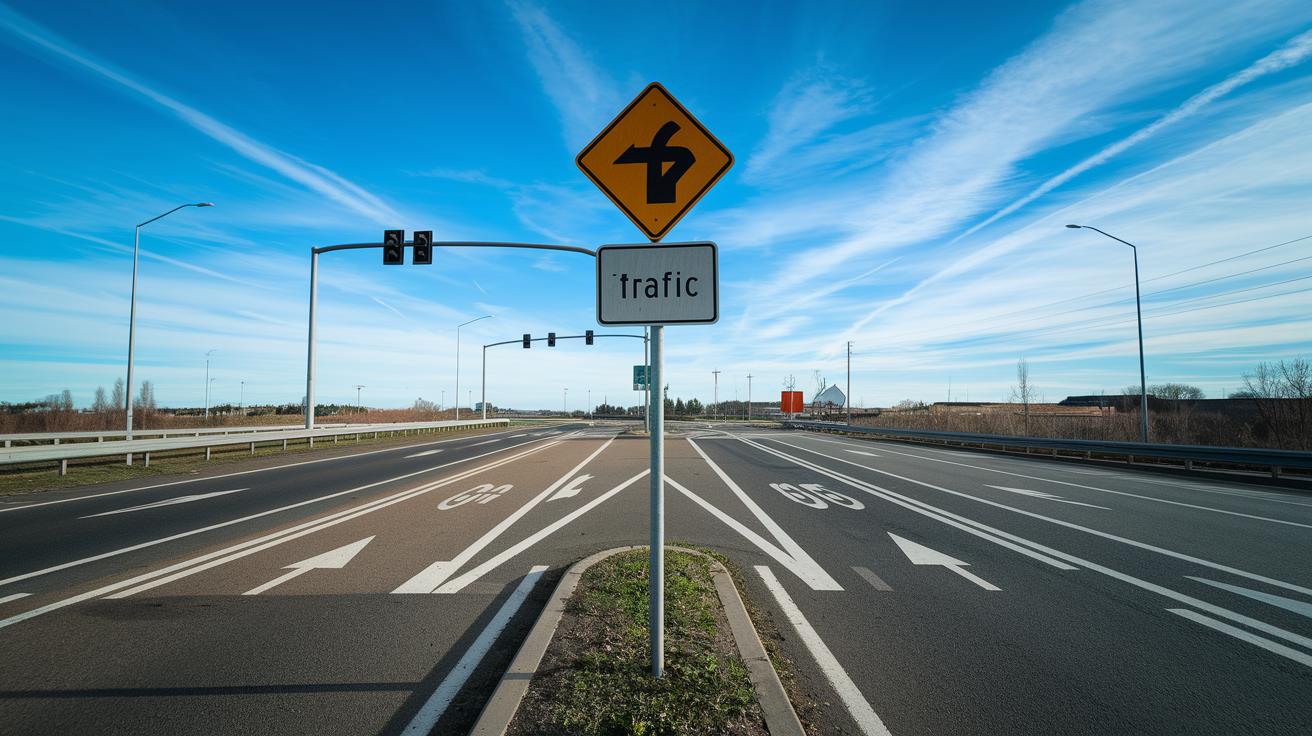
Once you get your ticket, start gathering evidence right away. Snap clear photos that capture important details like road signs, lane markings, and the overall layout of the area. For example, you might take a picture of a faded traffic sign that was barely visible at dusk, which could show why your view was impaired.
List the evidence you need:
- Photos of road signs, lane markings, and views of intersections
- Diagrams or snapshots that show how the area is set up
- Written statements or witness affidavits (a sworn statement given under oath) from passengers, nearby drivers, or pedestrians
- Footage from a dashcam, GPS records, or traffic cameras that challenges the ticket’s details
- Calibration and maintenance records for the radar or LIDAR (high-tech speed measuring device) equipment to check if their readings were correct
Bringing all this evidence together makes your case stronger by highlighting any mistakes in the officer’s report. Keep everything organized and clearly labeled so you can quickly find what you need when it’s time to contest your ticket.
Drafting an Effective Written Appeal for Your Traffic Ticket

Start by setting up your dispute the right way. Follow the court’s guidelines by adding a header that includes the court’s name, your case or citation number, and your contact information. For example, you could write: "In the Court of Common Pleas, Case No. 12345, Jane Doe, 123 Main St." This clear header makes it easy for the judge to see the basics at a glance.
Next, break your appeal into separate, clear parts. Begin with a statement of facts that simply explains what happened. Then add a section on legal grounds where you mention the traffic laws that support your defense (for instance, “the rules that back up my claim”). Follow that with a list of exhibits that show your evidence, and finish with a section that clearly states what you want the court to do, whether it’s dismissing your ticket or reducing the charge. For example, you might say, "I request dismissal due to discrepancies noted in the speed measurement records."
Make sure you attach every piece of supporting evidence. Label each document, like Exhibit A, Exhibit B, Exhibit C, and so on. This careful organization shows the judge that you prepared your case with attention. Remember these simple tips:
- Clearly label each exhibit to match your evidence list.
- Keep your appeal short, clear, and focused on the facts.
- Follow every court submission rule exactly.
By laying out your appeal like this, you build your case step by step in a way that’s clear and professional.
Submitting Your Traffic Ticket Appeal: Online and Mail-In Processes

Many courts now offer online filing for your traffic ticket appeal. You can set up an account, upload your documents, and use an electronic signature in just a few clicks. This means you get to skip printing and mailing, saving time and effort.
Deadlines are tight. Generally, you have between 15 to 30 days after receiving your ticket to file your appeal. It’s a smart move to double-check your local rules so you don’t miss your filing window.
If you decide to mail your appeal, be sure to use certified mail with a return receipt. This way, you have proof that your documents reached the right court office. And don’t forget to include the court’s address and the exact filing fee. Some areas might even lower the fee for low-income or first-time offenders, so it’s worth checking with your local court.
| Step | What to Do |
|---|---|
| 1 | Use an online portal for a fast and easy process. |
| 2 | File your appeal within the deadline. |
| 3 | If mailing, use certified mail and include all required fees. |
Preparing for Your Court Hearing When Contesting a Traffic Ticket

Before your court date, double-check all the details: the date, time, and courtroom number. Arriving at least 15 minutes early gives you a chance to settle in and relax before proceedings begin.
Collect all your evidence and keep it neat in a binder. Divide it into sections with tabs for the judge, the prosecutor, and yourself, think of it as creating a mini portfolio where every piece is easy to find.
Practice a straightforward opening statement that tells your side of the story. In it, mention exactly what happened, point out any mistakes on your ticket, and include any supporting laws (rules that help your case). For example, you might say, "My case is simple, the signage was unclear, and my dashcam shows a different speed reading." This approach sets a clear, calm tone for your defense.
Write down a few specific questions for cross-examination if the officer or a witness takes the stand. These questions can target any contradictions in their account. Also, go over common defenses like mistaken identity, incorrect speed readings, emergency situations, or mistakes in the ticketing process.
| Step | Action |
|---|---|
| 1 | Double-check hearing details and plan to arrive early. |
| 2 | Organize your evidence in a neatly divided binder. |
| 3 | Practice a clear opening statement and prepare key questions. |
Exploring Defense Options and Legal Resources for Traffic Ticket Contests

When you're hit with a traffic ticket, there are a few ways to handle it. You might consider hiring a traffic attorney who can file motions (requests to drop charges) to dismiss your case, negotiate plea reductions, or set up a deferred disposition (a delay in sentencing). An attorney with experience can help you build your argument step by step and make sure all the legal procedures are followed correctly.
Another option is to attend traffic school. This could lead to reduced fines or fewer demerit points. If you qualify, a short course might be an easier way to clear your record. And for those watching their budget, low-income drivers can apply for fee waivers or get help from public or nonprofit legal services, which usually offer support without high costs.
Other choices include community service programs, diversion initiatives, or agreements to reduce points on your record. It’s smart to weigh the benefits of representing yourself against the expense of hiring professional help. For more ideas, check out available services like legal recourse and, for low-income drivers, affordable legal assistance.
Take a good look at your situation and choose the defense that fits your needs and budget best.
Post-Hearing Steps and Appeal Options After Contesting a Traffic Ticket

Once your hearing wraps up, the judge might decide right away or send a written decision later. That decision could dismiss your ticket, lower your fines or points, or keep the original charge. For example, if you provide clear proof that your speed was miscalculated, your ticket might be dropped.
If things don’t go your way, you’ll need to file a notice of appeal within the set deadline, usually 10 to 30 days. Next, consider these follow-up steps:
- Check your case status online as soon as you can.
- Gather any extra documents if new evidence shows up.
- Create a timeline with all the key dates for filing appeals and submitting paperwork.
| Action | Deadline |
|---|---|
| File Notice of Appeal | 10–30 Days |
| Submit Supporting Documents | As Specified in the Decision |
Don’t overlook the details, review all court notices, check that your document dates are right, and keep copies of everything. You might even set a calendar reminder that says, "I mark my calendar with the exact deadline so I never miss a step."
Also, make sure you complete any additional requirements, like paying new fines or finishing any required classes.
Final Words
In the action of reviewing your ticket and spotting potential errors, you lay the groundwork for a solid defense. You gather evidence, craft a written appeal, and prepare for a court hearing, each step designed to guide you on how to contest a traffic ticket. You also learn about filing options and post-hearing tasks, which all work together to support your case. Every step counts, so keep moving forward with confidence and clarity.
FAQ
What happens if you fight a traffic ticket and lose?
Fighting a traffic ticket and losing means you’ll likely have to pay the cited fine, possibly face added penalties, and the violation record will remain on file.
How can you fight a traffic ticket without going to court, especially in California?
Fighting a traffic ticket without a court appearance often involves filing a written appeal or using an online portal, as some jurisdictions like California allow non-court dispute methods.
What does filing a motion to dismiss a traffic ticket using a PDF form entail?
Filing a motion to dismiss via a PDF means preparing a written appeal that outlines citation errors and supporting evidence, following the court’s format and submission guidelines.
How do you fight a traffic ticket online?
Fighting a traffic ticket online involves using a court-provided e-filing portal where you submit your documentation and appeal forms within the specified deadline.
What does it mean to contest a ticket and what are your chances of getting a speeding ticket dismissed?
Contesting a ticket means formally challenging the citation by reviewing ticket details and gathering evidence. Your chance of a dismissal often depends on error findings and quality evidence.
Is a court appearance mandatory for a traffic ticket in Georgia?
In Georgia, some traffic violations require a mandatory court appearance, meaning you must attend the hearing, though minor infractions might offer alternative dispute methods.
What should you say to a judge when fighting a traffic ticket and what are some effective arguments?
When addressing a judge, start by clearly stating the facts and any discrepancies in the citation, then present organized evidence rather than relying solely on excuses.
How do you fight and win a traffic ticket?
Fighting and winning a traffic ticket involves thoroughly reviewing your citation, gathering strong evidence, and preparing a clear, concise defense for your case in court.