




Are people treated fairly by our legal system? A new study of 10,000 Americans shows big differences in how legal problems get solved. Many folks have struggled to find fair help, while some new court tools are speeding up decisions. In this article, we explore how recent legal changes are opening clearer paths to justice for everyone, making fairness and faster outcomes more possible.
Evaluating the Impact of Legal Reforms on Access to Justice
A four-year study of 10,000 Americans by IAALS and HiiL found big differences in how legal problems get solved. One person said, "I struggled to get fair legal help because of where I come from," which shows just how many people face these challenges. This study highlights the clear need for changes that really tackle everyday unfairness in legal services.
Legal experts say courts should use modern case management software and ICT (information and communications technology) tools to boost efficiency and handle more cases. For example, a mid-sized county that made these changes saw cases being handled much faster. These upgrades are important steps to improve legal services and make the system work better for everyone.
Around the world, reforms include seven focused actions to strengthen judicial independence (courts that work without political influence) and due process (fair treatment in legal proceedings) even in tough environments. A simple democracy scoring system, from 0 to 1, shows that countries like Afghanistan, Burundi, and the Central African Republic have lower scores compared to more stable regions. These metrics, along with insights from recent legal updates, give policymakers clear guidelines to gauge the success of reforms in improving access to justice.
Real-World Case Studies on Legal Reforms and Access to Justice

Stanford experts David Engstrom and Lucy Ricca are leading the way in changing California’s legal service system. They rolled out new ideas that cut costs and redesigned how services work, making legal cases run smoother. Their work shows that looking at our legal steps more closely can help open up access and fairness in the system. This real-life example, detailed in a legal case study analysis (a review of legal changes and outcomes), gives us useful clues on how small changes can make courts work better and more fairly.
A national survey by IAALS and HiiL, backed by the Bohemian Foundation, asked 10,000 Americans about their experiences with legal issues. The survey’s results offer a clear, numbers-based look at big differences in how legal problems are solved among different groups. These findings, which will be fully shared on September 1, will be discussed in two live webinars. In these sessions, experts will break down the results and talk about steps we can take to help more people get the justice they need.
Comparative Impact of Legal Reforms on Access to Justice in Diverse Settings
Recent studies use a simple democracy score from 0 to 1 to show how well countries put legal reforms in place. In places with strong institutions, the scores are nearly 1. But in fragile states like Afghanistan, Burundi, and the Central African Republic, scores drop a lot. This drop means these countries struggle with running their government well and keeping their courts independent (that is, the courts work free from outside pressure). It paints a clear picture: countries with stable economies see reforms work better than those in less stable settings.
Women living in conflict zones and fragile areas face even bigger challenges when they seek legal help. A 2022 study found that their access to justice is much lower than what we see in other lower-income nations. This gap shines a light on deep, systemic issues. Programs supported by the State and Peacebuilding Fund, with backing from Denmark, Germany, the Netherlands, Norway, Sweden, and Switzerland, work hard to tackle these underlying problems. They aim to reduce delays in the legal system and build a fairer court process. In short, these efforts are key to bridging the gap between what the law is meant to do and what it achieves in everyday life.
Key Challenges Hindering the Impact of Legal Reforms on Access to Justice
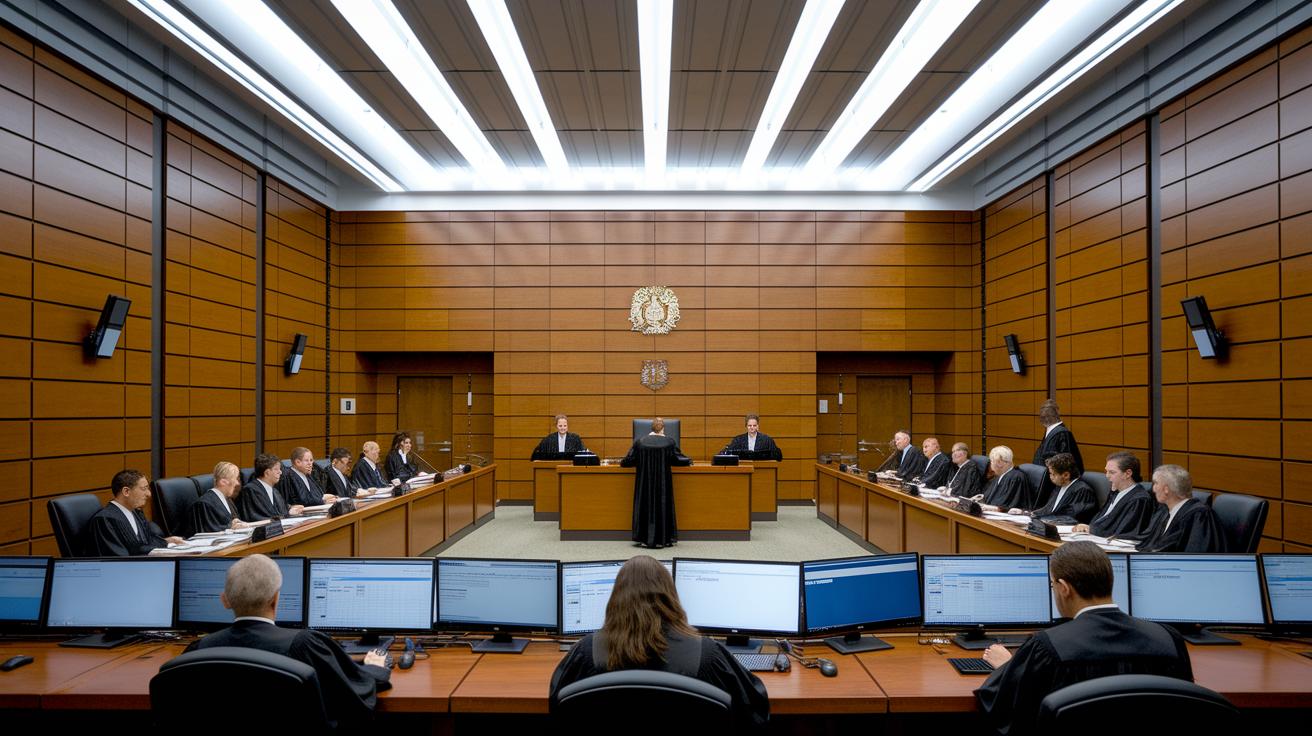
Legal reforms try to make it easier for everyone to get legal help. But a few long-standing problems hold them back from really making a difference.
- Corruption weakens the freedom of judges (judicial independence means judges can decide cases on their own) and makes people lose trust in the system.
- Government meddling stops courts from operating fairly and without pressure.
- Weak institutions mean the law isn’t applied as strongly as it should be.
- Courts often don’t have enough resources to manage a growing number of cases.
These challenges leave gaps where reforms can’t reach everyone who needs them. Even smartly crafted reforms might stumble if corruption and interference aren’t tackled first. And when institutions are weak and resources are few, the system struggles to use reforms fully, leaving vulnerable groups with less access to justice. To see real, everyday improvements, we need to focus on cutting down bias, breaking down barriers, and reducing obstacles step by step.
Innovative Strategies to Enhance Access to Justice Post-Legal Reforms
New ideas are truly changing the game in our legal systems. For example, modern case management tools and ICT platforms are now helping courts track progress and manage backlogs more easily, while also easing the workload for busy legal professionals. Shifting money and staff to courts that really need them is creating a fairer system that can handle more cases without cutting corners.
Short-term fixes are setting the stage for long-term success. Streamlined procedures, step-by-step reform rollouts, and the use of alternative dispute resolution (a way to settle issues without a full trial) have started to cut delays and lower costs, sometimes even making legal help more affordable. All these changes work together to make court processes simpler and more tuned in to what people need.
- Use modern case management tools and tech platforms to keep track of court progress.
- Redirect funds and staff to courts that are under strain.
- Roll out procedural updates in clear, step-by-step stages to smoothly add new technology.
- Bring in alternative dispute resolution methods to ease the load on traditional courts.
- Build mediator systems to reduce congestion and speed up case resolutions.
All in all, these strategies form a system where new technology and clear steps lead to faster, fairer outcomes. By updating legal processes and shifting some decisions away from the main courts, communities can enjoy better service. It's exciting to see these ideas reshaping how justice is served now and opening doors for lasting improvements in access to justice.
Long-Term Outlook on the Impact of Legal Reforms on Access to Justice

Ongoing data reviews are steering legal reforms well into the future. People in charge now lean on smart monitoring tools that evolve as challenges change. These tools pick up on small shifts in court performance so that policies can be adjusted before issues get out of hand. For example, one policymaker noted that courts used to have long waits, but once they started using detailed data to guide changes, case resolutions improved noticeably.
Looking ahead, fresh strategies will tackle challenges that simple numbers might miss. By tracking trends over time, officials can spot when to make tweaks in public access to the courts and refine policies. It’s like following an evolving map to keep improvements steady no matter how conditions shift. In one county, a small change in how cases were scheduled cleared up a backlog, showing just how powerful a little data insight can be.
Final Words
In the action, we explored how survey data, expert insights, and global comparisons shape our view of legal reforms. The blog reviewed improvements like new case resolutions and resource reallocation while addressing core challenges in our judicial system.
We wrapped up by highlighting innovative fixes that bolster the impact of legal reforms on access to justice. The analysis leaves us optimistic about future changes that enhance fairness and practical results in the legal field.
FAQ
What are the key barriers and issues related to access to justice?
The question regarding barriers and issues with access to justice highlights factors like corruption, government interference, low judicial capacity, and social inequalities that delay case resolution and erode public trust.
What are examples of access to justice?
The question about examples of access to justice points to initiatives such as public assistance programs, free legal services for those in need, and court reforms that improve fair legal representation for all.
What does respect and the law represent?
The question on respect and the law signifies that legal systems rely on mutual respect between citizens and institutions, ensuring that rules are followed and that fairness guides legal outcomes.
Why is access to justice important for everyone?
The question on the importance of access to justice underscores that equal legal opportunities build trust, promote fairness, and empower individuals to resolve disputes through clear and accessible legal processes.
How do laws provide access to justice and how can it be improved?
The question regarding law-driven access explains that laws create frameworks for fairness while enhancements like improved court management, digital tools, and targeted reforms can further streamline legal service delivery.
What is the role of the Legal Services Corporation in improving access to justice?
The question about the Legal Services Corporation highlights that it funds free legal support for those with limited resources, ensuring quality public defense and helping protect fundamental legal rights.
What are the three sources of law and how do they impact the justice system?
The question regarding the three sources of law explains that statutory law (legislated rules), case law (court decisions), and regulatory law (agency rules) together shape legal outcomes and guide judicial processes.