



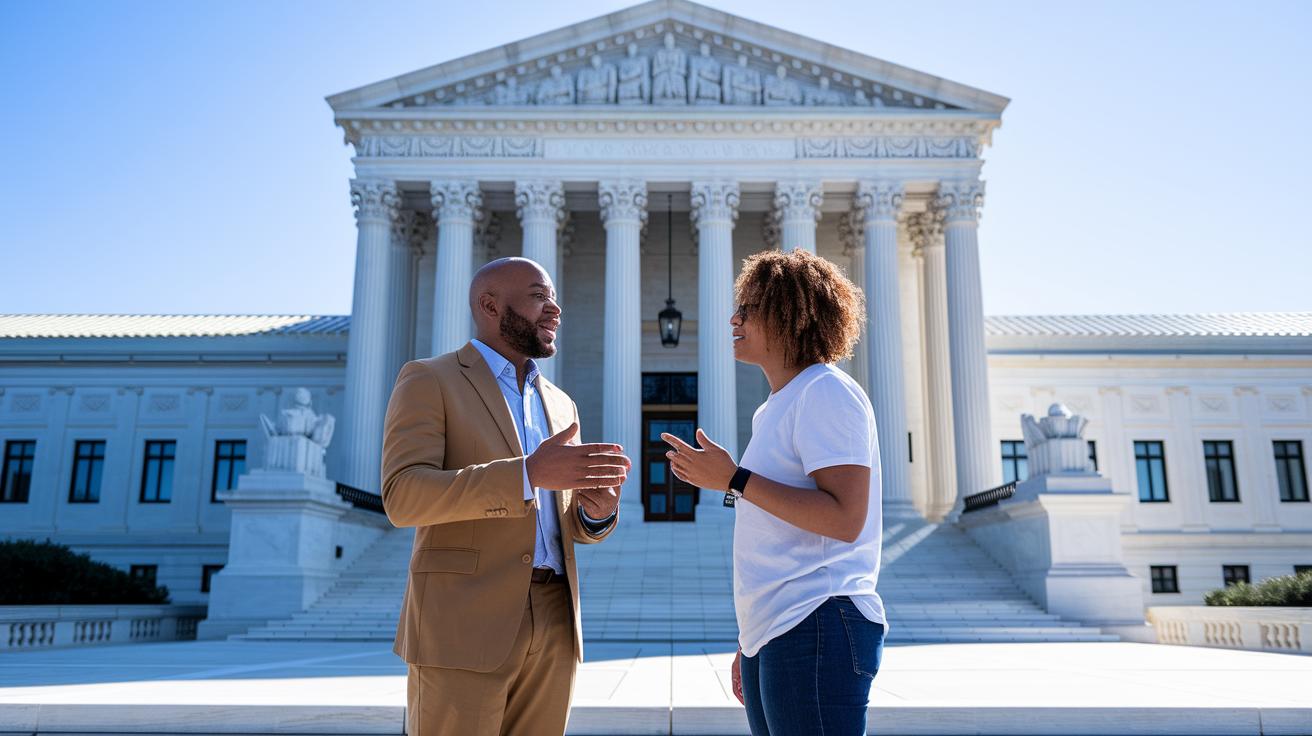
Have you ever wondered if our laws protect every single voice? Our legal system is meant to work like a balanced scale but sometimes it tips when injustice slips in.
When fairness seems hard to find, it’s clear that change is needed. In this blog, we’ll explore how the law does more than set rules, it also battles bias and discrimination (unfair treatment) so everyone gets a fair shot. Let's dive in and see how strong laws can fix broken systems and help each person stand tall and be heard.
Core Principles of Law and Social Justice
Legal systems help protect our rights and fight unfair treatment by ensuring everyone is treated the same. Laws guide us in solving disputes and keeping those in charge accountable. Just imagine a scale of justice that stays perfectly balanced, no matter who stands on either side.
These legal structures also work hard to reduce inequality and make sure every voice is heard. They are designed to stop discrimination (unfair treatment based on who you are) and give people a clear path to get help when their rights are broken. Think of it as a safety net that catches you in tough times.
- Equality before the law
- Access to legal representation
- Protection of fundamental rights
- Mechanisms for accountability
These core ideas are the heartbeat of legal reform efforts. When laws are straightforward and easy to understand, communities feel empowered to defend their rights and challenge wrong practices. Fair legal processes not only shield individual freedoms but also build trust in our institutions. In short, by focusing on equality, access, protection, and accountability, we can create a legal system that changes with society and stands up for everyone, especially those who have been ignored or mistreated in the past.
Historical Evolution of Law and Social Justice
Way before our current legal system was in place, important documents like the Magna Carta (1215) set out the idea that everyone deserves fair treatment. Think of it as an early promise of equal rights. Enlightenment thinkers later pushed this idea even further by arguing that every person should have basic rights. It’s like they laid the first building blocks for the rights many of us enjoy today.
After those early days, America went through a big change with the Reconstruction Amendments. The 13th Amendment (1865) ended slavery, and soon after, the 14th Amendment (1868) made sure that everyone got equal protection under the law. This period helped create a solid legal base that treated all people the same, shaping what would grow into modern civil rights.
Then, in the mid-1900s, new laws reshaped civil rights even more. The Civil Rights Act (1964) banned segregation, and the Voting Rights Act (1965) tore down many of the barriers that stopped people from voting. These laws helped end unfair practices and opened the door for equal opportunities, much like unlocking a room that was once closed off.
The Role of Grassroots Advocacy in Law and Social Justice
Grassroots advocacy gets a real boost when communities join forces. In 1986, Black organizers, activists, and attorneys came together to form CLSJ to tackle problems such as crack epidemics, police brutality, and unfair voting practices. Their early coalition showed how a shared purpose can spark real change. For instance, one community meeting ignited a burst of local energy, with neighbors uniting to support one another against injustice.
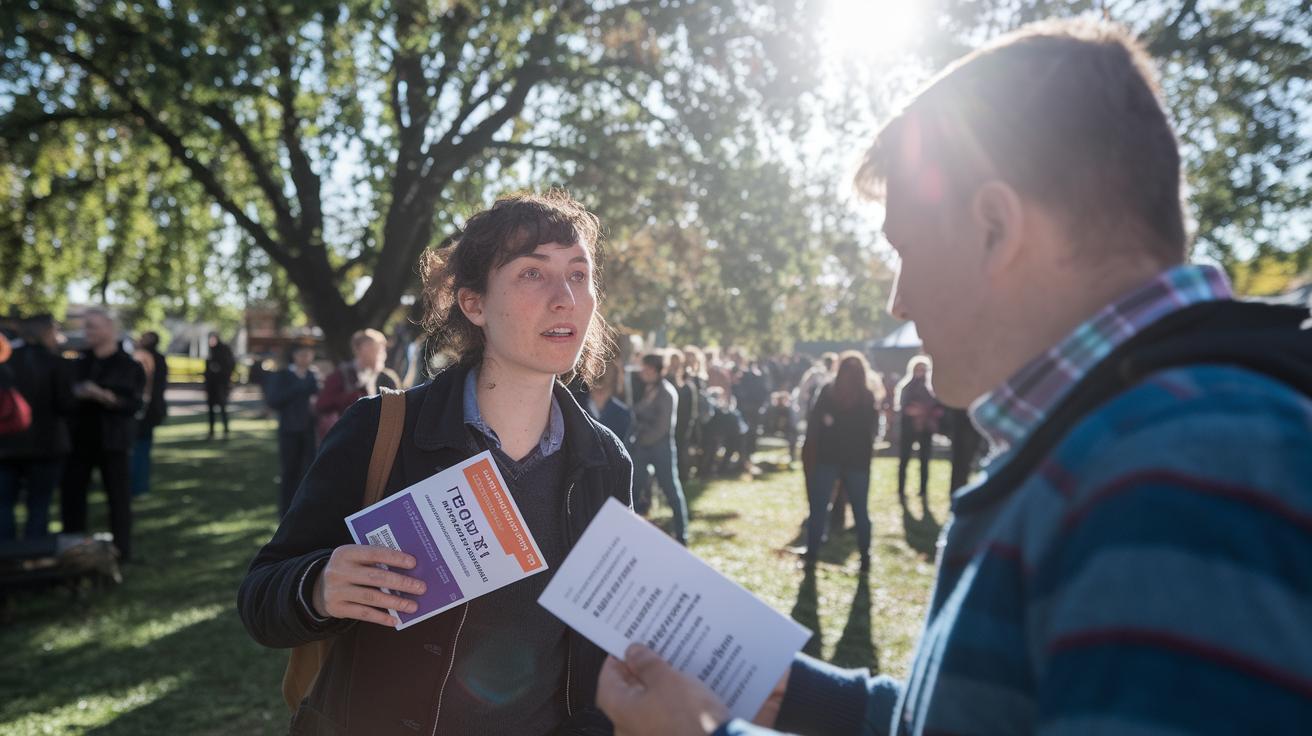
Education is a key part of this work. Local legal clinics and voter registration drives spread important legal information and empower people to stand up for their rights. Community film series on civic engagement help bring the law into everyday life, making its impact clear. As one workshop put it, "Knowing your rights is the first step to real change."
Working together through coordinated advocacy networks pushes the effort even further. Community legal workshops and civic outreach programs bring diverse groups together to share ideas and refine plans for legal fairness (sometimes called statutory reform, which is about updating old laws). This teamwork not only encourages lawmakers to revise outdated rules but also keeps the conversation going within the community. In the end, this cooperative approach leads to meaningful legal improvements that ensure every voice gets a chance to be heard and to make a difference.
Case Study: Center for Law and Social Justice’s Impact
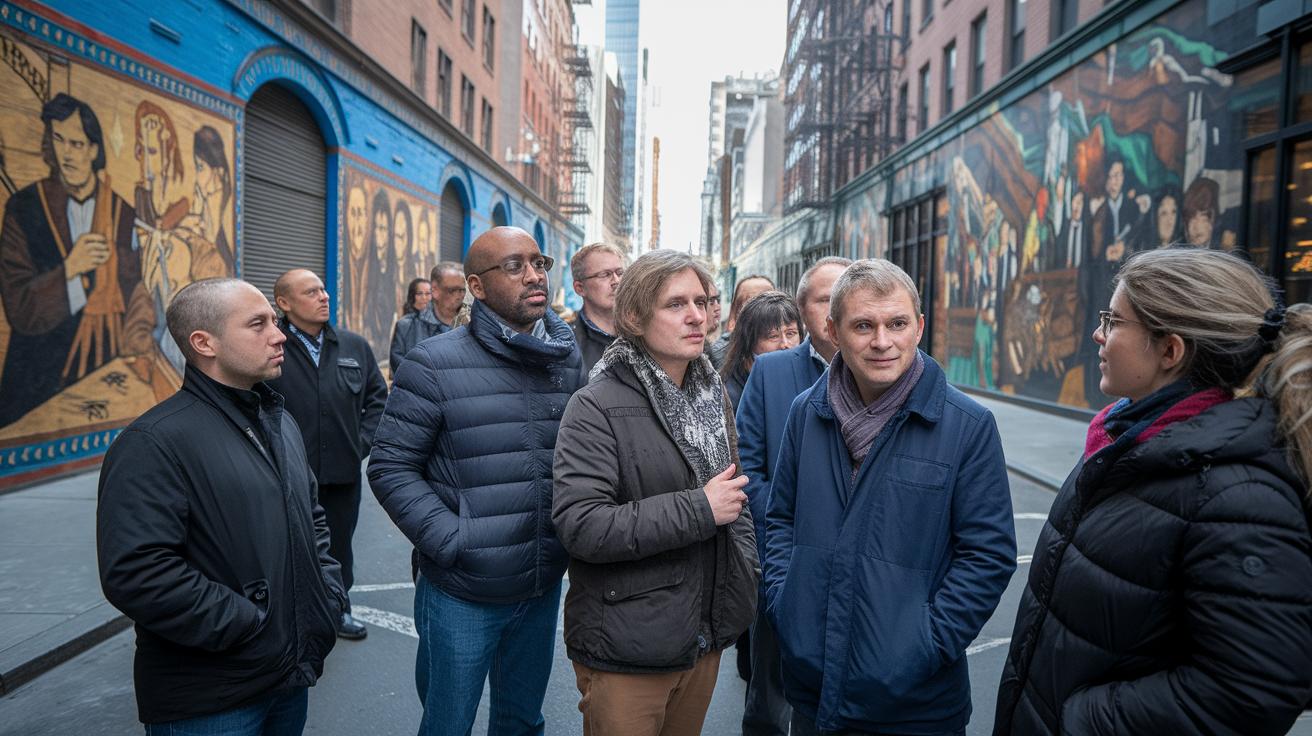
Back in 1986, New York City was in a tough spot. Communities were struggling with a harsh crack and heroin crisis, unchecked police brutality, and unfair voting rights. At Medgar Evers College, a group of Black organizers, activists, lawyers, and local leaders came together to fight these deep-rooted problems through legal help (legal advocacy) and community action. One local resident said it felt like every effort to claim their rights was a spark in a dark room.
Soon, their work grew beyond basic civil rights issues. They started tackling health fairness, caring for the environment, and boosting economic chances. With focused legal work, CLSJ has pushed to fix a justice system that often leaves behind vulnerable communities. They aim to build a fairer society, a place where everyone can easily get legal help and clear information. Their approach has sparked networks that teach and uplift, turning legal ideas into real, everyday change.
CLSJ’s core programs show their deep commitment to empowering people. Initiatives such as the Advocacy Academy, Civic Enlightenment efforts, “Our Future Our Vote,” and campaigns for fair voting maps give practical tools to support civil rights. One participant noted that these programs make the law reachable for those who once thought justice was out of grasp. By mixing public interest lawsuits (litigation for the public good) with targeted community outreach, CLSJ keeps turning legal activism into progress that truly gives voice to those who need it most.
law and social justice: Empowering Equal Voices
New York City buzzes with fresh programs that mix legal help and cultural events. These projects connect our rich past with modern change, focusing on defending minority rights and protecting human rights.
You can find events that range from exploring long-held community traditions to film series that spark lively conversations. They offer real chances for people to share their views and learn in new ways. Recent projects also push for more community involvement, using both classic legal debates and new ideas about healing as a community (restorative justice is a process that repairs harm by involving everyone affected).
| Initiative | Date | Focus |
|---|---|---|
| Special Event: Black Greek Fraternities & Sororities | May 5 | Historical exploration |
| Cinema With a Cause | Ongoing | Cultural rights engagement |
| Commemoration: John Lewis Legacy | July 16, 2025 | Civil rights remembrance |
These programs show New York City's promise to build spaces where community strength meets fair legal practices. Looking back at important events like the George Floyd protests, organizers are now trying new routes to bring about true justice and reform. By celebrating its deep history with modern cultural events, the city fights for equal voices and works hard to protect everyone’s rights. This mix of legal focus and cultural celebration respects our past while lighting the way for better social justice in the future.
Future Policy Directions for Law and Social Justice
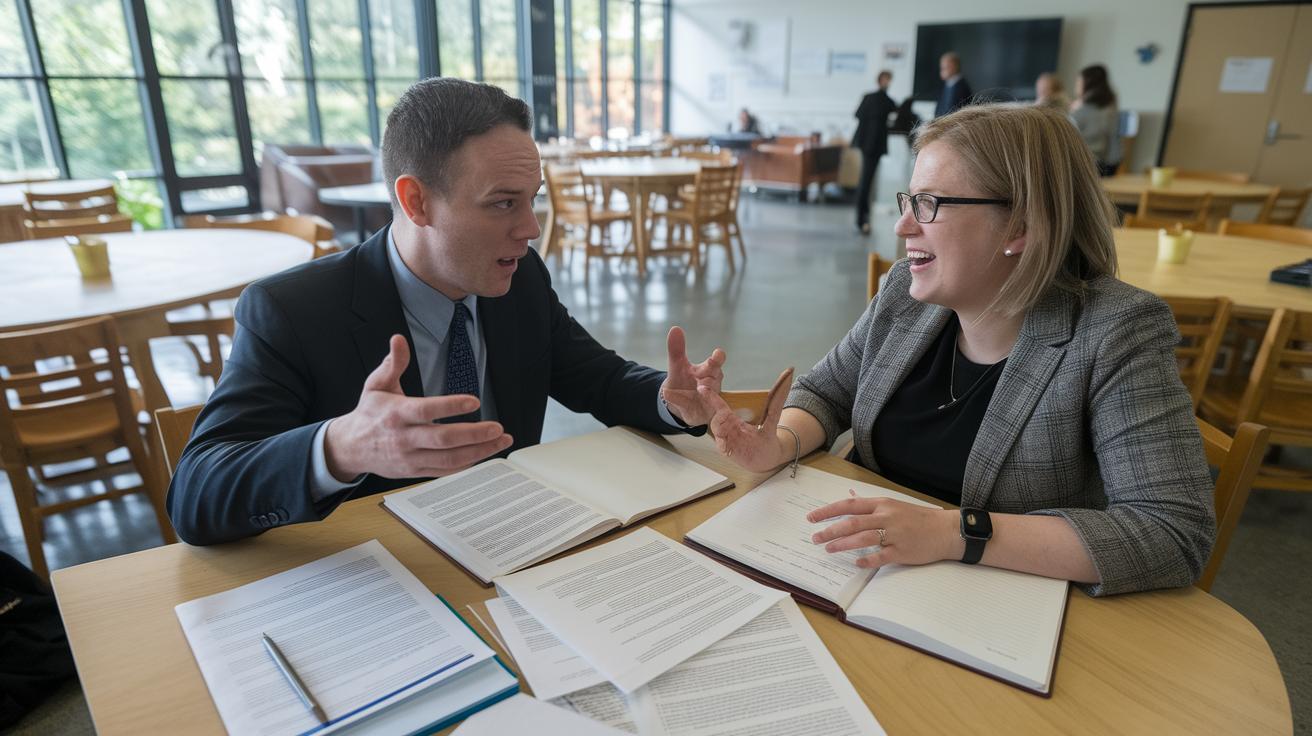
New York’s Commission on Reparations is sparking a new state effort to fix old injustices. They are pushing for changes that not only update outdated laws but also create a legal system focused on healing community wounds. Many advocates believe that facing our past requires real actions to support those harmed. One participant put it simply: "Recognizing the past by taking clear policy steps is the first brick in rebuilding trust."
The conversation around reforming the criminal justice system is just as lively. Lawmakers are discussing changes to bail and sentencing rules to cut down on unfair differences that have affected many. They are also looking at stronger oversight tools (plainly, sets of clear rules and checks) to keep government actions transparent and accountable. This is especially needed in areas like redistricting, where fair rules help make sure everyone is properly represented.
Moreover, alternative dispute resolution (ADR, a community-focused method to solve conflicts) is getting more attention. It offers a quicker, fairer way to settle disagreements without the long delays that can happen in traditional legal processes.
Final Words
In the action, we traced the building blocks of law and social justice, from core principles like equality before the law and accountability to historical milestones and grassroots advocacy. We looked at real examples of legal equity reform and the progressive role of community legal workshops.
The discussion also highlighted impactful case studies and forward-looking policy shifts, reminding us that each step counts toward fairness and inclusion. Keep pushing ahead with a clear vision and confidence in law and social justice.
FAQ
What is social justice law?
Social justice law means using legal practices to address inequality and protect human rights by building fairer legal systems that work for everyone.
What are the core principles of social justice?
The core principles of social justice include equality before the law, access to legal representation, protection of fundamental rights, and mechanisms for accountability, offering a framework for fair treatment.
What is a Law and Social Justice minor at USC?
A Law and Social Justice minor at USC is an academic program that combines legal studies with issues of justice to broaden understanding of law, advocacy, and community change.
What is the Center for Law and Social Justice?
The Center for Law and Social Justice focuses on civil rights and community change through programs that address environmental, health, and economic rights, offering educational and advocacy initiatives.
What are the Charter Schools for Law and Social Justice?
Charter schools for Law and Social Justice are educational institutions designed to integrate legal studies, community action, and civic engagement into their curricula, aiming to prepare students for legal and social roles.
What is a social justice lawyer salary like?
A social justice lawyer’s salary varies by region, experience, and employment type, with many roles in nonprofit and government sectors offering competitive pay aligned with the public interest mission.
What is a social justice and human rights degree?
A social justice and human rights degree examines legal theories with a focus on fairness and protection of individual rights, preparing graduates for careers that promote equity and community advocacy.
What is a high school for law, advocacy, and community justice?
A high school for law, advocacy, and community justice offers specialized programs focused on legal concepts, civic engagement, and developing skills to champion community causes from an early age.
What is the Columbia Law Human Rights Clinic?
The Columbia Law Human Rights Clinic provides hands-on legal practice by working on cases that protect human rights, giving students supervised experience in real-world advocacy.
What is the Santa Clara University Criminal Justice major?
The Santa Clara University Criminal Justice major blends criminal justice theory with social justice perspectives, equipping students with skills to address legal issues and work toward fairer legal practices.