




Ever wonder if a witness’s words could change a case? Legal depositions (formal statements taken outside of court) capture key details early on, helping lawyers make quick, fair decisions before a trial really heats up.
It's a bit like taking a sharp snapshot of a critical moment, each word and detail can be a clue that helps reveal the truth.
Clear Litigation Insights guides you step by step through the deposition process, explaining why every little detail counts and sharing practical tips to help you build a strong case.
Legal Deposition Fundamentals: Definition and Role in Litigation
A deposition is a sworn out-of-court statement given by a witness. It’s recorded under Rule 27 of the Federal Rules of Civil Procedure (this rule keeps the witness’s words safe even if they can’t appear in court later). Usually done before trial, depositions help gather the information needed for both civil and criminal cases. Think of it like capturing a clear snapshot of what a witness says for later use.
Depositions make sure that no important details are lost during the heat of legal proceedings. They can also help collect documents in business cases, check whether a witness is honest, and support quick court decisions like summary judgments (rulings made without a full trial). For instance, getting a deposition is like locking in a witness’s story as a key piece of evidence before the trial begins.
Depositions are also very flexible. They can be scheduled at times and in locations that are convenient for everyone, reducing travel and saving time, especially when remote technology is used. In cases such as class actions, mass torts, intellectual property disputes, construction defects, and international matters, depositions are tailored to meet special needs. In short, depositions play a critical role in building a strong case by ensuring that every important testimony is captured clearly and efficiently.
Key Steps in the Legal Deposition Process

The deposition process begins when a formal notice or subpoena is served to the person who will provide testimony (called the deponent). Once that notice goes out, the deponent comes in and takes an oath in front of a court reporter. Before any questions, the reporter writes down crucial details like the deponent's name and address. This step makes sure every statement is clearly linked to the right person.
After the check-in, the witness receives simple instructions. They are reminded to be honest and clear. They’re also told that saying "I don’t know" is completely fine if they can’t remember a detail. This helps keep the record honest and sets clear expectations for behavior during the deposition.
Then the examination begins. First, the attorney asking the questions lets the witness tell their story through a direct examination. Next, the opposing lawyer comes in for the cross-examination by asking leading questions, which help test the consistency of the testimony. If there’s any confusion from those questions, the first attorney might ask follow-up questions (redirect examination) to clear things up.
As everything is said, a real-time transcript is created. This means that there is an immediate written record of the entire session. Later, the transcript is reviewed and certified to become the final record for use in trial or for summary judgment. Also, note that there is typically a federal limit of up to seven hours of testimony per day unless both sides agree to extend it or the court approves an extension.
| Step | Description |
|---|---|
| 1 | Serve the deposition notice or subpoena |
| 2 | Swear in the deponent and record their identification details |
| 3 | Give clear instructions to the witness |
| 4 | Conduct a direct examination |
| 5 | Conduct a cross-examination |
| 6 | Handle any redirect examination if needed |
| 7 | Generate and finalize the transcript |
This step-by-step process helps ensure that every detail is recorded accurately and is ready for any legal proceedings ahead.
Preparing for a Legal Deposition: Attorney Guidance and Witness Tips
If you’re heading into a deposition, preparation goes beyond knowing the legal steps. It’s all about showing you’re reliable and trustworthy. Many attorneys suggest picking a smart, business-casual outfit that’s plain and neat, think simple button-down shirts and well-fitted slacks that quietly say you mean business.
You also need to gather every important document ahead of time. This includes a current photo ID and any notes or exhibits that you’ve already had approved. Getting these materials ready ahead of your deposition means you can avoid last-minute delays and show everyone, including the court reporter and opposing counsel, that you’re well-prepared and focused.
Getting to your deposition location early is equally key. Arriving at least 15 minutes before your scheduled time gives you a chance to find the room or test out your remote-deposition software, if you’re joining online. That extra time helps you settle in, relax, and make sure your tech is working fine so nothing unexpected interrupts your focus.
Finally, choose a quiet and private spot for the deposition. A steady internet connection is a must for remote sessions so you can participate without disruptions. In court, attorneys often remind deponents to keep their background free of distractions and to answer questions honestly, even if that means saying, “I don’t remember.” Simple, steady, and honest responses go a long way in keeping your testimony clear and effective.
Conducting the Deposition: Examination, Objections, and Defense Strategy

In a deposition, things start with direct examination. Here, lawyers ask open-ended questions that let the witness tell their story in their own words. Imagine a lawyer saying, "Can you walk me through what happened that day?" This way, the witness paints a clear picture of the events.
After that, the opposing lawyer usually steps in with cross-examination. Now, the questions become more pointed to test the witness's reliability. For example, a lawyer might ask, "Isn't it true that your account contradicts your earlier statement?" This strategy is crucial for spotting any gaps or inconsistencies in the witness’s story.
While the deposition is underway, attorneys also raise objections if a question seems to stray from the rules. They might say something like, "Objection, relevance," to signal that a question may not directly relate to the main issues. Even though the witness generally still answers, these objections help set the stage for later debates about whether the testimony should be used in court.
Once cross-examination wraps up, the original lawyer often uses redirect examination. This gives them a chance to clear up any confusion from the earlier questions and help the witness get things straight.
All of these techniques aren’t just about collecting facts, they also help uncover weak points in the other side's case. Depositions record important evidence that can back up a defense strategy, support summary judgment arguments, or even be used to challenge the witness later on in court.
Legal Deposition Formats: Oral, Written, Video, and Telephonic Comparison
Legal depositions come in several forms, each built for different needs. Oral depositions are the classic way, witnesses give answers in person while under oath, making it easy to see their body language and hear their tone. This face-to-face setup is often used in civil cases where a natural, live response matters.
Written depositions work a bit differently. Here, questions are prepared ahead, and answers are given under oath without live back-and-forth. This method lets witnesses take a moment to think and deliver careful responses when every word counts.
Video depositions capture both audio and visuals. Watching a video can reveal little cues like a pause or a change in expression that might not come through in words alone. This format is handy when body language plays an important role in understanding the testimony.
Telephonic depositions rely only on sound. While not as common nowadays, they are useful when setting up a video session isn’t practical. They work best in straightforward cases where visual details aren’t as important.
Remote depositions blend audio and video through secure online platforms. They help cut down on travel time and expenses, making the whole process easier and more flexible for everyone involved.
Every deposition format is chosen based on the case’s needs, the level of detail required, and practical factors like cost and convenience. Lawyers and clients weigh these factors to pick the best way to capture a testimony accurately.
| Format | Key Features | Typical Uses |
|---|---|---|
| Oral | In-person, live questions under oath | Civil cases needing a natural, clear response |
| Written | Pre-drafted questions with written answers under oath | Cases that benefit from careful, thought-out responses |
| Video | Records both audio and visuals, capturing expressions | Matters where body language and visual cues add value |
| Telephonic | Audio-only recording | Simple cases when setting up visuals isn’t necessary |
| Remote | Hybrid audio/video via secure online platforms | Flexible sessions that save on travel and time |
Technology and Documentation Standards in Depositions
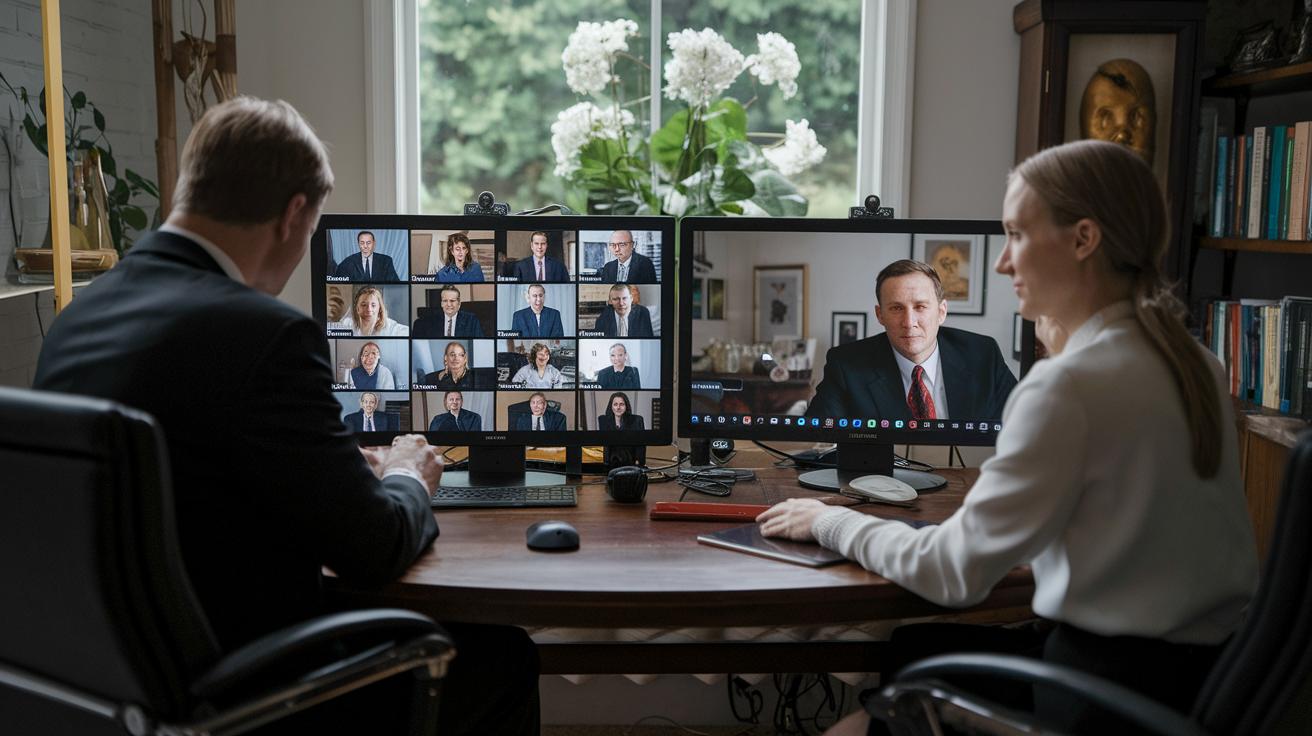
Technology is now a key player in making depositions run smoother and more accurately. Instead of relying solely on old-school stenography, where skilled reporters capture nearly every word, digital reporting speeds things up. Today, many lawyers ask for real-time feeds of deposition testimony. This means they can quickly fix problems as they pop up, ensuring the record stays clear and complete.
The eLitigate Platform has become a popular tool. This secure portal lets teams hold remote sessions, share digital exhibits, and review transcripts as the deposition goes on. It’s like having a virtual courtroom where every bit of testimony is right at your fingertips, whether you’re in the same room or miles apart.
Another useful tool is the eDepository. This online hub stores exhibits, transcripts, and even video clips of depositions. By keeping all related materials in one spot, legal teams find it much easier to manage documents and use them during the discovery process (discovery: the exchange of information before a trial).
Even with all these technological advances, getting every word written down exactly as it was spoken is still a must. Every bit of testimony builds the backbone of a case, so accuracy really matters. With faster and more detailed access to records, lawyers can prepare better and make smarter decisions about litigation. Technology is truly helping legal teams build their cases step by step, making depositions more efficient and reliable than ever before.
Legal Deposition Case Studies and Example Reviews
When you look at a mass tort deposition, you'll see that many plaintiffs get asked the same questions. In one case, lawyers follow a set schedule to question each witness, making sure every testimony lines up. This approach helps spot common themes that can later be compared with what happens in court. For more details on how this works, check out the Legal case study analysis.
Video depositions are especially important in intellectual property cases. They capture everything, not just the words, but also the expert’s body language and technical style. Imagine an expert on video breaking down tough details; these recordings can provide clear, lasting insights that sometimes differ from what appears during a trial.
International depositions bring extra challenges. When witnesses are overseas, lawyers often need help from consular officials or translators. This extra coordination makes sure every detail is recorded accurately, even when there are language differences. It’s a bit more complicated than domestic depositions, but it ensures nothing is lost in translation.
In construction defect cases, depositions show just how flexible modern tools can be. Lawyers often set up remote depositions so witnesses can take part from anywhere, even if they’re overseas. Using digital platforms saves time and creates a live, interactive feel similar to a courtroom. Each of these examples shows how specialized deposition methods can be adapted to fit different legal needs while giving clear insights for litigation teams.
Best Practices and Ethical Standards for Legal Depositions

During depositions, fairness and honesty guide the entire process. Everyone involved must stick to high ethical rules to keep things trustworthy. Attorneys need to let witnesses speak in their own words instead of coaching them. And all exhibits and transcripts should be kept secure under legal orders (rules set by the court to protect sensitive information).
Impartiality is key. Witnesses take an oath to tell the truth (with serious legal consequences, like perjury, if they lie). This means every person should answer freely without outside influence. Lawyers, too, must act with proper decorum during questions and interactions with the other side, raising objections promptly and avoiding repetitive or harassing questions that might weaken the record.
When legal teams follow these practices, they create a fair space for clear, reliable testimony. Meeting ethical duties like these helps everyone work in an environment built on trust and accountability. In short, sticking to these standards boosts the credibility of the deposition and the strength of the case.
Post-Deposition Steps: Transcript Review, Corrections, and Next Actions
After a deposition wraps up, the transcript becomes a key tool for moving your case forward. You start by checking all the details in the recorded testimony. If you spot any mistakes, the deponent can submit corrections using an errata sheet provided by the court within the allowed time. For example, a witness might fix a line from "I did not see" to "I never saw." Once these corrections are accepted, the reporting service creates a final, certified transcript that gets filed with the court.
After the certified transcript is ready, legal teams blend the deposition feedback into their case strategy. Lawyers often use the transcript for things like supporting motions for summary judgment or as exhibits during trial. The record also carries weight if an appeal comes later. If any witness statements are later challenged, the transcript can help form the basis of an appellate review or support post-trial motions. Paying close attention to every detail ensures that every word is captured correctly, which strengthens both the immediate actions in the case and any long-term appeals.
Final Words
In the action, this article breaks down everything about legal deposition. It explains the basic definition, step-by-step process, and different formats like oral, video, and telephonic. We also covered how technology keeps our records straight and shared real-world examples to bring it all to life. The guide offers practical advice for both attorneys and witnesses, from proper prep to ethical standards, so you feel ready to apply these insights. It's all designed to boost your legal knowledge and help you discuss legal deposition with clarity and confidence.
FAQ
Q: What tricks do lawyers use in depositions?
A: The tricks lawyers use in depositions involve strategic questioning, spotting inconsistencies, and making timely objections to steer the discussion and highlight weaknesses in the witness’s responses.
Q: What is deposition in Science?
A: The deposition in Science refers to how particles or sediments settle and accumulate, forming layers over time. This natural process creates new features in landscapes and is studied in geology and environmental science.
Q: How do disposition and deposition differ?
A: The difference between disposition and deposition is that disposition relates to a person’s behavior or the act of transferring assets, while deposition means an out-of-court, sworn testimony used as evidence in legal cases.
Q: What is the deposition process?
A: The deposition process starts with a notice or subpoena, followed by swearing in the witness, recording identification details, and then conducting direct and cross-examinations before finalizing a transcript.
Q: What distinguishes a deposition from testimony?
A: The difference between a deposition and testimony is that depositions are recorded out-of-court and serve for later case preparation, while testimony is given live in court for immediate judicial evaluation.
Q: What is a deposition in a criminal case?
A: A deposition in a criminal case is a sworn statement taken before trial. It helps preserve witness evidence, supports case preparation, and may be used to challenge or confirm key testimony during court proceedings.
Q: What does deposition mean in Geography?
A: In Geography, deposition refers to the process where materials like sand, soil, or sediments are naturally laid down by wind or water, gradually forming new land features and altering landscapes.
Q: What happens after a deposition?
A: After a deposition, the recorded testimony is transcribed, reviewed for accuracy, and then used to support motions, guide trial strategy, or serve as evidence during court proceedings.
Q: What does legal deposition mean?
A: Legal deposition means a formal, sworn out-of-court testimony collected to preserve a witness’s account for use later in litigation, offering a detailed record for legal analysis.
Q: Why do lawyers ask for a deposition?
A: Lawyers ask for a deposition to secure a detailed and sworn witness account, assess credibility, gather evidence, and prepare for key arguments in motions or the courtroom.
Q: What should you avoid saying at a deposition?
A: At a deposition, you should avoid adding any extra information or opinions beyond the direct answer, as replying with unnecessary details may inadvertently undermine your position later.
Q: Can you decline to give a deposition?
A: Declining to give a deposition is possible in certain circumstances, often requiring a valid legal reason or court order, since witnesses are typically compelled to answer unless specific privileges or exemptions apply.