



Ever wonder if the rules we have still keep us safe? These days, lawmakers are reworking old laws that just don’t fit our fast-changing world. They’re updating things like California’s 1960 privacy law and changing Title IX rules (rules protecting against gender discrimination in education) in colleges. In Louisiana, lawmakers and fresh ideas on free speech on campuses are stirring up big changes. This post shows how today’s challenges are sparking new law updates and what those changes might mean for everyday life.
Latest Legislative Reform Legal News Overview
Lawmakers are busy updating old rules to match our fast-changing digital and social world. They’re taking a fresh look at laws written decades ago and realizing these rules need a modern twist. Think about it: privacy rules were set up long before digital tracking, cookies, or session replay tools were on the scene. Now, provisions meant only for telephone systems are getting a major update.
In California, Senator Caballero is spearheading efforts to refresh a 1960s privacy act so it makes sense for today’s online practices. And on January 31, 2025, a federal decision changed the way Title IX (rules designed to prevent gender discrimination in education) works in colleges and universities. Over in Louisiana, heated debates about insurance reform have sparked voter worries about rising costs and slower job growth.
Key updates include:
- Modernizing California’s privacy law.
- Updating Title IX procedures.
- Reforming insurance costs in Louisiana.
- Creating a national model for campus free speech.
- Revealing major survey results on free expression in colleges.
These changes clearly show that old legal frameworks need a tune-up to keep up with new technology and societal expectations. Lawmakers and experts agree that revising age-old statutes is key to addressing today’s challenges. In summary, this push for reform spans everything from protecting free speech in education to adjusting insurance rules, all while trying to balance tradition with progress. It’s a careful act, standing up for individual rights and boosting economic growth while making sure the legal system stays fair and up-to-date.
Government Policy Changes and Statutory Revision Updates
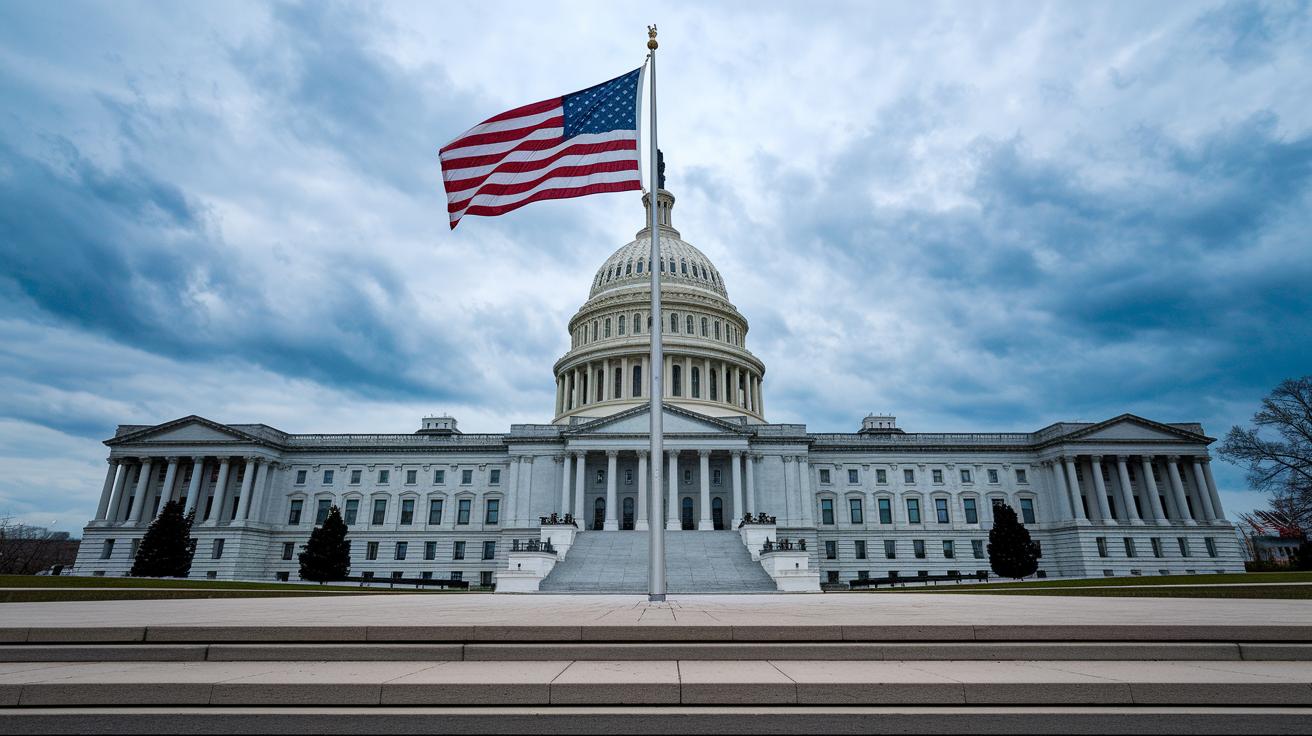
At the start of 2025, Louisiana lawmakers gathered to talk about insurance reform. They looked into how rising premiums are forcing up costs and slowing down job growth. Recent polls show that people are worried, especially when only 100 out of 26 million applications get approved each day. Coastal legal battles and energy investment rules add extra layers to the discussion. For more details on local insurance rule changes, check out the legal regulatory updates at recentlegalnews.com?p=2925.
Now, lawmakers are drafting clear changes to address these growing concerns. They want to set up rules that make insurance more affordable for everyone. The aim is to introduce more transparency and fairness into the approval process, striking a balance between community needs and fiscal responsibility. In short, these new rules could help keep premium rates steady while sparking economic growth.
Business leaders and community advocates have been quick to share their thoughts on the proposed changes. They emphasize the need for rules that not only control high premiums but also build trust in the local market. Many feel that straightforward guidelines could reduce uncertainty, leading to steadier business partnerships and better financial practices. Ideas like faster processing and improved ways to settle disputes are part of the conversation.
Recent trends show a push for better compliance and accountability. The new policy revisions are setting the stage for stricter adherence to well-known standards, and businesses are already preparing to adapt. As these reforms move forward, organizations are encouraged to review their internal processes, ensuring they can keep up with the changes and transition smoothly.
Judicial Procedural Review and Constitutional Amendment Reports
Judicial reviews have been grabbing headlines lately. On Jan. 31, 2025, a federal ruling argued that Biden-era Title IX rules limited students’ First Amendment rights. This decision led the U.S. Department of Education to push for clear national definitions for harassment (unwanted behavior that creates a hostile environment) in schools and colleges. It’s a reminder that balancing free speech with protections against harassment can be tough. Old laws sometimes need a refresh to match our modern views on free expression while still keeping people safe.
State debates are heating up too. For example, Colorado recently scrapped a misgendering ban, which surprised many communities on both sides of the issue. Meanwhile, Texas lawmakers are still hashing out penalties related to AI-driven free speech issues in a state known for its bustling tech and business scenes. Each case shows how important it is for our laws to keep up with new challenges and respect both our rights and safety.
Key Constitutional Amendment Proposals
-
National Harassment Standards – This idea would set consistent definitions and rules for harassment in schools and universities. It aims to protect students and clear up what counts as behavior that needs corrective action.
-
Ban on Campus Free Speech Zones – This plan aims to remove special areas where speech is limited, so that every public campus fully supports the right to free expression.
-
Statutory Protection for Academic Freedom – This measure would bolster legal safety nets for both faculty and students. It’s designed to ensure that open debates in classrooms and research settings are firmly protected by law.
Bill Amendment Coverage and Parliamentary Debate in Privacy Reform

California’s CIPA (California Invasion of Privacy Act, a law originally designed in the 1960s to stop telephone wiretapping) is now being used to cover modern web tracking methods like cookies, pixels, and session replay tools. Some people say that when companies use these tools, it crosses the line and invades our privacy. In response, Senator Caballero has introduced draft amendments to help update the law for the digital world and clear up what online tracking should look like. A trusted team of legal experts who have been reporting on these issues for over 30 years, including Dan M. Forman, Alison Tsao, Leigh A. White, and Joel M. Van Parys, are keeping a close eye on how these debates unfold.
The legislative debate is heating up. Lawmakers, tech experts, consumer advocates, and digital rights groups are all weighing in, discussing both the bright and not-so-bright sides of modernizing CIPA. Many feel that setting clear rules for online tracking could guard individual privacy without slowing down technological progress or digital advertising. Others worry that extra regulations might place a heavy burden on businesses. This lively discussion really shows how we’re trying to balance protecting privacy rights with keeping our digital economy vibrant and thriving.
Analysis of Lawmaking Updates and Reform Agenda Highlights
Recent surveys are shaping new law reform plans, with clear priorities drawn directly from college communities. For example, the 2022 College Free Speech Rankings surveyed over 44,000 students at 208 colleges, and a record-setting 2025 free expression study has backed proposals to clearly define student harassment (meaning harmful behavior) while protecting academic freedom. Plus, modern legal tech is changing the way lawmakers draft and track these rules (check out legal tech news at https://humane.net?p=6771).
Experts like Dan M. Forman, Alison Tsao, Leigh A. White, and Joel M. Van Parys note a strong trend toward policies that balance free speech with personal rights. They believe that mixing legal tech insights into the big picture helps lawmakers sharpen their strategies to better meet today’s community needs.
Impact Evaluation and Compliance Transition in Public Law Developments

Recently, regulators took strong action in a case involving Todd Snyder. He was hit with a fine of $345,178 and other fair remedies by the California Privacy Protection Agency. This case shows that if companies ignore privacy rules, regulators aren’t shy about enforcing penalties. With over 30 years of experience helping businesses navigate tricky legal systems, experts say that breaking privacy norms now comes with serious consequences. As a result, many groups are taking a closer look at their policies, especially with worries about fair process and free speech in new rules.
Organizations affected by these changes should take a close look at and update their compliance plans. They need to check that their procedures and communication methods are clear and fair. Legal teams are encouraged to go over their practices in detail so they line up with updated privacy guidelines and process changes. It’s kind of like tuning a machine, every part has to work well to avoid legal issues. Regular audits, training on new rules, and clear policy updates can help businesses meet reform requirements while protecting individual rights. Staying proactive can help companies avoid unexpected, costly fines.
Final Words
In the action, we walked through major developments, from evolving Title IX rules to modernizing digital privacy standards and updates on insurance cost reforms. We saw how campuses, courts, and lawmakers are actively shaping reforms to protect free expression and bolster compliance.
This legislative reform legal news highlights a dynamic period for policy and legal trends. Positive steps are being taken to build a clearer, more accountable legal framework for everyone.
FAQ
What are the current legal issues in the news 2024?
The current legal issues in the news 2024 cover legislative reforms, court rulings, and digital privacy debates that impact everyday rights and shape political discussions across the United States.
How does legal news today discuss ongoing policy changes?
Legal news today discusses ongoing policy changes by highlighting updates on court decisions, statutory revisions, and legislative reforms that affect student rights, digital privacy, and business practices.
What are the current legal issues in the news for 2025?
The current legal issues in the news for 2025 include debates on updated Title IX rules, insurance reforms in key states, and major shifts in campus free speech and digital privacy regulations.
How is U.S. legal news covering these reforms?
U.S. legal news covers these reforms by examining legislative updates, judicial reviews, and statutory changes that influence both public policy and everyday legal processes across the country.
Where can I find reliable legal news websites for current issues?
Reliable legal news websites offer executive summaries of reforms, detailed updates on policy changes, and expert analyses that help readers stay informed about the latest legal developments.
How does international legal news compare with U.S. legal updates?
International legal news compares with U.S. updates by discussing similar reforms and policy shifts while also considering how legal changes affect global practices and cross-border issues.
What are the key areas in business law news currently?
Business law news currently focuses on reforms that affect insurance cost regulation, corporate partnerships, and legislative adjustments, providing practical insights that help business stakeholders plan ahead.