




Ever wonder if your rights still count when something goes wrong with a product? Consumer protection laws (rules that help keep buyers safe) work hard to guard you against sneaky business tricks and misleading ads. Each state has clear rules that demand fairness, while national agencies keep an eye on companies to ensure they deliver the quality and trust they promise. In short, these laws are here to help you get treated fairly and guide you in claiming what you deserve.
understanding consumer protection laws: Empowering Rights

Consumer protection laws are here to help everyday people and keep them safe from sneaky business tricks. Every state has rules to stop false advertising and make sure you know your rights. Did you know these laws let you seek compensation if you're tricked by a faulty warranty or misleading product claims? They cover everything from shoddy products to unclear refund policies, and even look after your data privacy and product safety.
At the national level, the Federal Trade Commission, or FTC, is the main enforcer. It uses Section 5 of the FTC Act (a part of the law that stops deceptive practices) to tackle unfair business tactics. Meanwhile, state attorneys general handle local issues and make sure consumer rights shine through in their communities. This two-layer approach works like a tag team, keeping businesses honest and accountable.
But these laws do more than just protect buyers. They ensure that ads are truthful and warranties, whether clearly stated or just assumed, are fair. Imagine putting together a puzzle where every piece promises a refund or repair when needed. It’s a bit like knowing that if you end up with a broken product, you won’t be left in the lurch.
In a nutshell, consumer protection laws make sure the rules are clear and that government agencies stay active in keeping the market transparent. By understanding these protections, you can confidently stand up for your rights and hold businesses accountable when they cross the line.
Federal Consumer Protection Laws and the Role of Agencies

Federal consumer protection laws help keep our market fair and honest. One such law is Section 5 of the FTC Act (a key part of a major consumer protection law), which stops companies from using unfair or deceptive practices. The FTC’s Bureau of Consumer Protection makes sure this rule is followed. Think about it this way: if you see an ad promising one thing and the product does something else, regulators step in to fix that mistake, much like they would if a product failed to work as promised.
The Fair Credit Reporting Act makes sure your credit reports are correct. It also gives you the right to fix any mistakes (for example, by disputing an error). It’s like having a watchdog for your money matters. In the same way, the Gramm-Leach-Bliley Act makes it clear how banks and other financial institutions protect your private data, so you understand how your information is kept safe.
Laws grew even stronger with the Dodd-Frank Act, which started on July 21, 2010. This law changed financial regulations after a tough economic time, adding more checks to protect you from bad business practices. Also, the Children’s Online Privacy Protection Act (COPPA) limits how websites collect data from kids, keeping young people safer online.
The Securities and Exchange Commission, working under the Federal Securities Act (which requires companies to share important financial details), plays a big role as well. It makes sure companies tell the truth about financial risks, helping to protect your rights and hold businesses accountable.
| Statute | Enactment Date | Enforcing Agency | Consumer Protections | |||||||||||||||||||||||||||||
|---|---|---|---|---|---|---|---|---|---|---|---|---|---|---|---|---|---|---|---|---|---|---|---|---|---|---|---|---|---|---|---|---|
| FTC Act (Section 5) | 1914 | FTC’s Bureau of Consumer Protection | Stops deceptive practices | |||||||||||||||||||||||||||||
| Fair Credit Reporting Act | 1970 | FTC & DOJ oversight | Makes sure credit reports are correct and gives you the right to dispute errors | |||||||||||||||||||||||||||||
| Gramm-Leach-Bliley Act | 1999 | Federal regulators | Requires banks to explain how they protect your data | |||||||||||||||||||||||||||||
| Dodd-Frank Act | July 21, 2010 | Various financial regulatory bodies | Improves financial rules after a crisis | |||||||||||||||||||||||||||||
| COPPA | 2000 |
| State | Statute Name | Unique Remedy | Enforcement Office |
|---|---|---|---|
| New York | GBL § 349 | Attorney Fees | State Attorney General |
| California | Consumer Legal Remedies Act | Cooling-off Periods | State AG Office |
| Texas | Deceptive Trade Practices Act | Enhanced Recall Powers | Office of the Attorney General |
Consumer Rights under Protection Laws: Warranties, Privacy, and Advertising Fairness
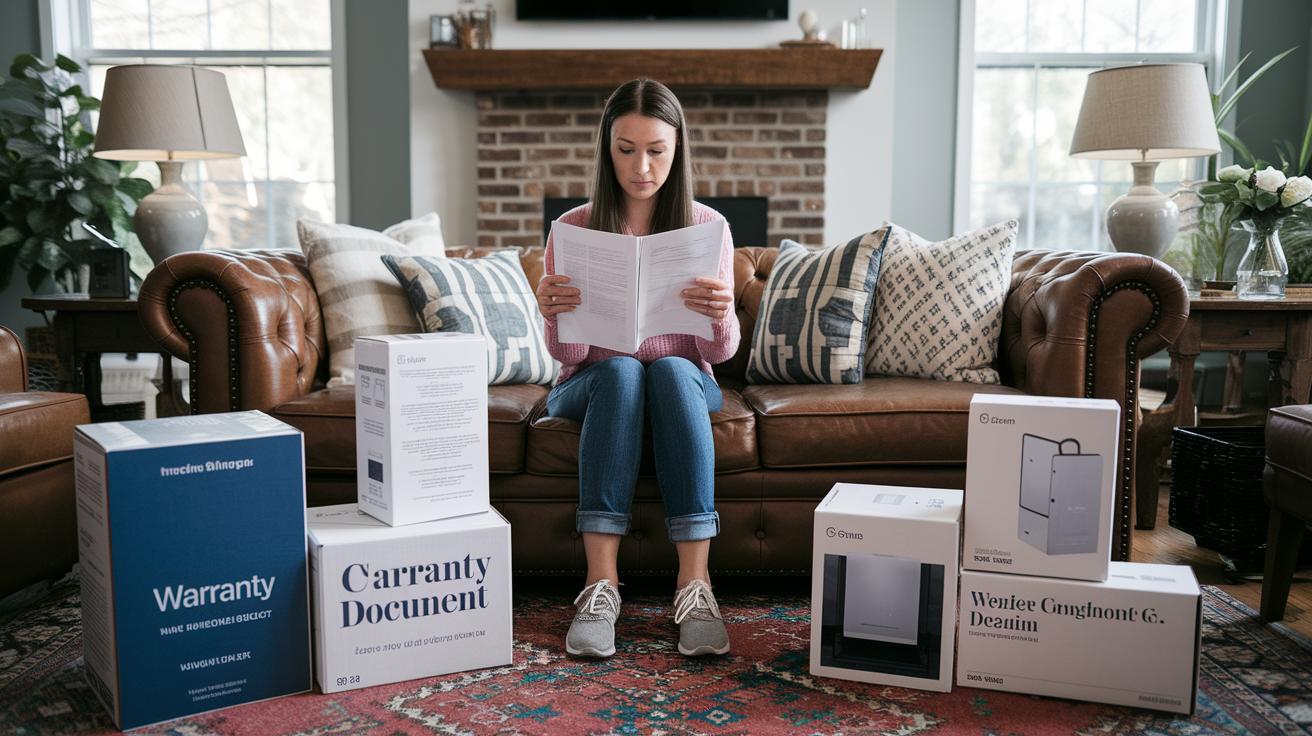
When you buy something, you deserve products that work as expected. Express warranties are clear promises about a product’s performance, while implied warranties mean that even without a written promise, the item should do its job. Imagine purchasing a blender and then finding it stops working suddenly, you’re protected either way.
Your personal information is important too. Laws such as the Gramm-Leach-Bliley Act and COPPA work to keep your financial details safe and limit what personal information websites can collect from children. Many families were relieved to learn that COPPA limits how much personal data can be collected from children online, giving parents extra peace of mind.
Advertising rules are set up to help you avoid being misled. The FTC steps in when ads make false claims, like saying a product is entirely made in the United States or promising unrealistic environmental benefits. Likewise, commercial emails must follow the guidelines of the CAN-SPAM Act, and the TCPA ensures that you aren’t bothered by unwanted robocalls.
Consumers have several clear entitlements:
- Clear refund terms
- Accurate labeling
- Data privacy controls
- Transparent pricing
- Honest marketing
These rights work like strong building blocks, making sure that your purchase is supported and that you are treated fairly every step of the way.
Digital and E-commerce Consumer Protection Laws: Data Privacy and Online Disputes

Online marketplaces are bound by strict rules to keep your data safe and ensure fair business practices. The FTC (Federal Trade Commission, the government group that protects consumers) insists that websites get your clear consent before collecting any information. That means no sneaky designs tricking you into sharing personal details, if a site hides your options, it's breaking the rules.
E-commerce platforms also need to clearly display refund policies and terms of sale so you know exactly what to expect when shopping online. Think of it like checking the fine print on a product label, it helps you dodge surprises. Laws like COPPA (Children's Online Privacy Protection Act, which safeguards kids' online privacy) and GLBA (a rule that guides financial institutions on handling data) back up these requirements. State laws such as CCPA (California Consumer Privacy Act, which gives you more control over your information) further ensure your rights are respected.
Online dispute resolution plays a crucial role too. If you hit a snag, you can turn to resources like the Better Business Bureau (BBB) or use arbitration and mediation services to settle issues quickly, without resorting to lengthy court battles. For example, if an online seller doesn't honor their refund policy, these options help you resolve the problem fairly.
| Feature | GDPR | CCPA | Fines | Enforcer |
|---|---|---|---|---|
| Data Consent | Explicit consent required | Right to opt out | Up to €20M | Data Protection Authority |
| Consumer Rights | Access and erasure rights | Disclosure of data practices | Varies | State Attorney General |
These measures ensure that whether you shop with local online retailers or international sites, your data privacy and dispute rights are always protected.
Legal Recourse under Consumer Protection Laws: Complaints, Mediation, and Litigation

When a business isn’t playing fair, consumer protection laws give you several ways to stand up for yourself. You can begin by filing a complaint with the FTC, your state attorney general (the state’s top legal officer), or the Better Business Bureau. Usually, your report will go through a few steps: first, they take your claim; then, they investigate what happened; you receive a letter explaining the outcome; and sometimes, if you qualify, you might even get compensation.
If things still aren’t resolved, there are more options available. You might try small claims court, arbitration (a method where a neutral person helps solve the dispute), or mediation (a process that helps both sides reach an agreement). Think of it like having several roads to the same destination, if one is blocked, you can choose another path to get the justice you deserve.
Filing a complaint can be simple if you break it down into clear steps. Here’s an easy list to follow:
- Gather all the documents and records related to your case.
- Write down exactly what happened and note every step you’ve already taken.
- Submit your complaint using the proper online form or mail it as required.
- Follow the instructions given, and keep a record of all your communications.
- Consider talking to a legal advisor if your case might involve a group of consumers.
For example, imagine someone turned a small issue with a mislabeled product into a large class action lawsuit that resulted in millions of dollars for buyers. This goes to show that keeping good records and taking careful steps can really pay off. Taking the time to file your complaint not only helps solve your specific case but also connects you with other legal options if needed.
Emerging Consumer Protection Statutes and Global Trends
Consumer protection rules keep changing as markets expand and technology advances. New laws focus on making things clearer, like how artificial intelligence (AI, or tech that mimics human decisions) impacts your shopping choices. They also tackle buy-now-pay-later deals so you can easily see all the fees and terms without surprises. And when products might be unsafe, companies are required to act fast on recalls.
Different parts of the world are leading the way. For instance, the EU GDPR, the UK Consumer Rights Act, and Australia's ACCC guidelines show us how to set high standards. These rules help protect your rights even when buying online from another country. There’s also a growing focus on securing digital wallets and managing data that crosses borders to keep your money and personal information safe.
Here are a few important new laws:
- AI Transparency Act (2023): Makes sure you understand decisions made by AI.
- Buy-Now-Pay-Later Oversight Law (2022): Keeps payment plan terms clear for buyers.
- Enhanced Recall Protocol Act (2023): Holds companies accountable to recall products quickly.
Final Words
In the action, we've explored the basics of consumer protection laws, from defining core rights to outlining federal and state roles. We broke down practices that cover warranties, data privacy, and fair advertising. We also touched on digital safety, ways to file complaints, and new statutes shaping the field. Each section builds on the last, creating a clear picture of how these protections work in real-life practice. Keep building your knowledge and confidence in understanding consumer protection laws, and look forward to solid, practical legal insights ahead.
FAQ
What are consumer protection laws?
Consumer protection laws are rules that shield buyers from unfair business practices. They cover protections like warranties, refunds, clear information, and data privacy, enforced by federal and state agencies.
What are the basic principles of consumer protection?
The basic principles involve fairness, transparency, and accountability. They ensure consumers receive honest information, clear pricing, and proper remedies when encountering deceptive practices.
What types of transactions do consumer protection laws cover?
These laws cover transactions involving goods, services, warranties, credit agreements, and online purchases, ensuring buyers are protected against misleading practices across various business interactions.
What are the three consumer credit protection laws?
The three primary laws include the Fair Credit Reporting Act (ensuring accurate credit data), the Truth in Lending Act (mandating clear loan terms), and the Equal Credit Opportunity Act (banning credit discrimination).
Why are consumer protection laws important?
Consumer protection laws are important because they guard against deceptive practices, promote honest business methods, and offer legal tools for seeking redress, thereby enhancing overall market fairness.
How can I find a list of consumer protection laws?
A list of consumer protection laws typically includes federal statutes like the FTC Act, Fair Credit Reporting Act, Gramm-Leach-Bliley Act, Dodd-Frank Act, and CAN-SPAM Act. Many detailed lists are also available in PDF format online.
How do consumer protection laws apply to businesses?
Business applications of consumer protection laws involve adhering to legal standards that prevent deceptive practices, ensuring clear product information, and maintaining honest marketing practices, all of which build consumer trust.