




What does fairness really mean when every decision is looked at closely? The Michigan Court of Appeals is right in the middle of keeping our justice system on track. It doesn't just act as a checkpoint, it goes over lower court decisions and fixes any mistakes before they cause bigger problems. With a clear process and opinions that everyone can see, this court sets the rules that protect our rights. In simple terms, its careful work helps us trust a system that affects us all.
Comprehensive Overview of the Michigan Court of Appeals
The Michigan Court of Appeals is the middle step for handling civil and criminal cases when someone wants to challenge a decision. It reviews cases from lower courts like circuit and probate courts, as well as some cases that begin in this court. This court was created under the Michigan Constitution from 1963 and follows clear rules set out in the Michigan Court Rules. In short, it gives people a way to check if decisions from lower courts and government agencies were fair and done right.
The court hears appeals both as a matter of right and sometimes when special permission is given. It carefully looks at many legal issues, checking trial-court decisions and correcting mistakes if needed. Plus, by publishing some of its opinions, the court shares its reasoning with everyone, helping set the rules for future cases. In a way, it builds legal standards step by step while adapting to new ideas.
- Reviewing trial-court decisions
- Issuing published opinions
- Handling matters that start directly in the court
- Supervising legal motions
- Overseeing oral arguments
This review process is really important for making sure the law in Michigan is applied fairly. By going through trial records and administrative details, the court helps fix errors and keeps legal principles strong. Overall, the Michigan Court of Appeals not only guides future cases but also builds trust in a fair legal system for everyone.
Michigan Court of Appeals Jurisdiction and Scope

The Michigan Court of Appeals covers all 83 counties across the state. It reviews a variety of cases coming from circuit courts, probate courts (the legal process of managing a person’s estate after death), lower courts, administrative tribunals, and agency orders. This wide range allows many different legal issues to be reviewed, ensuring that the legal system stays fair and dependable.
Sometimes, you can file an appeal as a matter of right. Other times, you must ask the court for permission first. In these situations, you need to show that something went wrong during the trial. Meeting these requirements is key for the court to take a closer look at your case.
Strict deadlines make the process even sharper. For civil cases, you have 21 days to file your appeal. For criminal cases, the timeline is 42 days after sentencing. These time limits, along with specific rules, help keep the appellate system strong and make sure only timely, well-prepared appeals move forward.
Michigan Court of Appeals: Inspiring Legal Clarity
The Michigan Court of Appeals works through four district offices, First through Fourth. Each district handles appeals from specific counties so that local issues get the right attention. Three judges sit on each panel, offering different views to ensure fair decisions. Imagine a seasoned judge teaming up with newer faces; it’s like putting together a sports team where each player brings their own strengths.
The court first had nine judges, then grew to 28, but a constitutional change now brings that number down to 24. This planned reduction makes sure the judges and their work match the court’s needs. Rotating judges on three-member panels means no one gets too overwhelmed and every case gets fresh, balanced thoughts, kind of like a relay race where every handoff matters.
This well-organized setup helps with case assignments and makes rulings consistent. Each district tackles its own local issues within a clear system so that similar cases get similar reviews. Rotating panels also cut down the chance of personal bias, building trust in Michigan’s legal process and keeping decisions clear and fair.
Appellate Procedures and Filing Guidelines for Michigan Appeals

The appeal process in Michigan is clearly set out in the Michigan Court Rules (MCR 7.101 to 7.403). These rules guide you through every step, from filing your notice of appeal to how you create your briefs. When you begin your appeal, you need to know if you have the right to file it on your own or if you must ask for special permission. It’s important to check which review option applies to your case. Also, recent changes have updated deadlines and document standards. If you want the latest details, check legal updates at this link: https://recentlegalnews.com?p=2925.
Every step in filing an appeal calls for careful attention. The process comes in many parts, each with strict deadlines and clear document rules. For example, you usually have 21 days to file a notice of appeal after a civil judgment, or 42 days after a criminal sentence. Your briefs must follow specific content rules and stick to word limits. Plus, if you need an extension or want to schedule oral arguments, you must follow the set formats and timelines exactly.
- Notice of appeal filed within 21 days (civil) or 42 days (criminal)
- Complete docketing statement submitted promptly
- Transcript order included in the case record
- Briefs that meet strict format, content, and word limit standards
- Motion for extension filed according to the rules
- Oral argument request with scheduling preferences provided
- Payment of all required fees at the time of filing
Because the rules are complex, missing even one small detail can delay your appeal or lead to a dismissal. Sticking to each deadline and requirement is vital for keeping your case on track.
Tools for Case Lookup and Public Docket Access in Michigan Appeals
The Michigan Courts website is a trusted resource for looking up appellate cases. You can quickly search by entering a case number or a party name to pull up both published and unpublished opinions. This tool is built for simplicity, making it easy to find accurate case data you need for your research.
You might also come across sites like MichiganCourtRecords.us that offer similar case lookup tools. Just remember, these platforms aren’t run by the state. They often note that some details might be wrong or missing, so if you register and use them, be sure to double-check the results before relying on them in any legal matters.
Electronic filing portals are another handy way to get the latest appeals information. They work like a modern search tool, giving you real-time updates on docket schedules and case filings. When you use these portals, you’ll need to log in with proper credentials, ensuring that only authorized people access these official records while keeping everything secure.
Interpreting Michigan Appellate Opinions and Recent Decisions
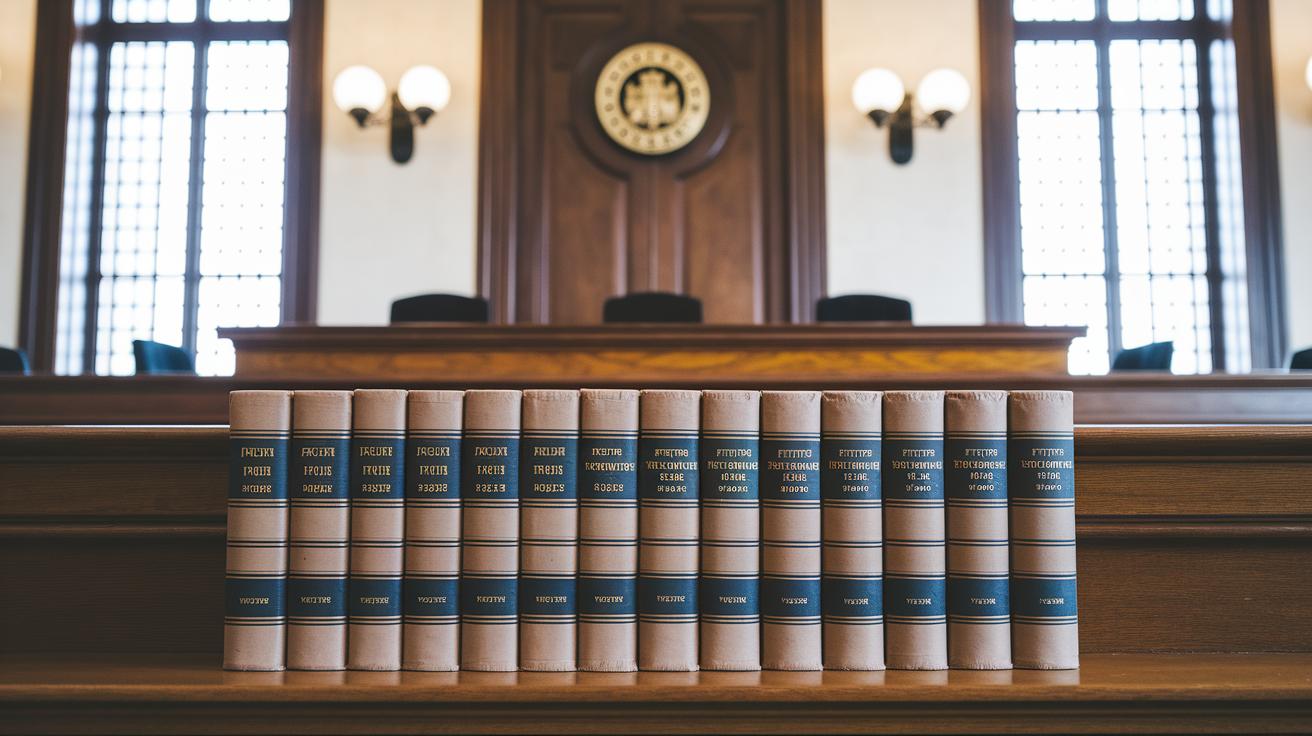
Michigan appellate opinions are designed in a clear and useful way for anyone facing a legal issue. They begin with a short case summary, list the key facts, explain the court’s legal reasoning, and then detail what happens next. This step-by-step layout helps you follow the logic behind the decision and gives you a roadmap if you find yourself in a similar situation.
Published opinions hold extra weight because they set binding rules for future cases. In contrast, unpublished opinions usually can’t be used later on. Michigan Court Rules, especially MCR 7.215 (which explains how an opinion is chosen for publication), ensure that only opinions with solid legal analysis get published. This careful selection plays a big role in shaping legal standards and guiding future decisions.
When reading these opinions, note that final decisions typically come out three to six months after oral arguments. Staying updated on Michigan appellate opinions makes it easier to spot trends and small shifts in how judges think. By breaking down each part, from the facts to the final order, you can see firsthand how legal standards continue to evolve.
Historical Evolution and Recent Reforms of the Michigan Court of Appeals
The Michigan Court of Appeals began under the 1963 Constitution with just nine judges, set up to review trial decisions fairly. As time went on and more cases came in, the court grew to 28 judges to include a variety of legal insights. In 2012, a constitutional change steered the court back to a focused setup with 24 judges. Think of it as starting with a small team, expanding when needed, and finally narrowing it down to a well-balanced group that mixes seasoned experience with manageable numbers.
Recent changes have helped bring the court into the digital age. For instance, electronic docket publishing now lets anyone check case updates quickly and safely. Online submission of briefs has replaced old-school paperwork, and live-streamed oral arguments give the public a firsthand view of courtroom discussions. This modern approach opens a friendly window into what happens behind the scenes.
The court also boosts transparency by publishing its performance data each year. These reports clearly show how busy the court is and how efficiently it works, which helps build trust in the legal process. By sharing this information openly, the court invites public oversight and shows its commitment to clarity and accountability in every decision.
Elections, Appointments, and Candidate Profiles for Michigan Court of Appeals

Judges in Michigan’s Court of Appeals serve for six years. They are chosen through votes held in even-numbered years, and these votes do not use political party labels (nonpartisan means candidates are not listed by party). This gives many legal professionals a chance to show their skills, and voters get to see detailed profiles that outline each candidate’s legal background and experience with complex appeals. It’s a process that makes sure candidates pay close attention to legal details and clear reasoning.
When a judge leaves the court between regular elections, the governor steps in to appoint a replacement. However, this appointee must be approved by the Senate (a review process to check the candidate’s qualifications), adding another layer of care to ensure they meet high standards of legal skill and fairness. This mix of elections and appointments helps keep the appellate system fair and steady.
| District | Selection Method | Term Ends | Next Election |
|---|---|---|---|
| First District | Election | 2028 | 2024 |
| Second District | Election | 2028 | 2024 |
| Third District | Election / Appointment | 2028 | 2024 |
| Fourth District | Election | 2028 | 2024 |
Voters are encouraged to read through the candidate review materials and performance reports provided by the Judicial Tenure Commission. In races where there is tough competition, like in the First and Third Districts during recent elections, important factors include a candidate’s legal know-how, fairness in reviewing past cases (precedents), and the ability to explain tough legal ideas simply. Watching these trends can give clues about how well these judges will help shape Michigan’s appeals process in the future.
Final Words
In the action, we explored the michigan court of appeals by breaking down its origins, core functions, district structure, and detailed filing procedures. We also touched on tools for case lookup and the candidate screening process, showing how these elements build a reliable picture of the court’s role in legal practice.
This snapshot gives clear insights into vital processes and reform trends. It leaves us with optimism and clarity to apply these legal perspectives effectively.
FAQ
How can I search for court cases and look up Michigan Court of Appeals cases?
The query on case search indicates that you can use the official Michigan Courts website and case management systems to view case details, published opinions, and docket schedules for quick, accessible results.
What are the details about the Michigan Court of Appeals judges and its structure?
The query about judges and the number of courts reveals that Michigan’s intermediate appellate court is organized into four distinct districts and staffed by a roster of judges, with updates reflecting constitutional changes.
How do I contact the Michigan Court of Appeals, including its address?
The query about contacting the court shows that you can find the office address and phone numbers via the official Michigan Courts website, which offers updated directory information for public inquiries.
What is meant by the term “Michigan Court of Appeals Case Call”?
The query regarding a case call explains that this term may refer to contacting the court’s clerk or relevant department by phone to obtain updated information on a case’s status and related filing details.
What do the Michigan Court of Appeals rules cover?
The query on the rules clarifies that these guidelines dictate the procedures for appealing decisions, including filing deadlines, brief formats, and motion practices that ensure orderly and efficient case review.
What are the Michigan Court of Appeals districts?
The query on districts informs that the court is divided into four geographic districts, each handling appeals from specific counties, which helps manage caseloads and maintain regional legal consistency.
How can I find the Michigan Court of Appeals schedule?
The query about the schedule highlights that hearing dates, oral argument times, and filing deadlines are published online, ensuring that all parties can stay informed on case progress and court operations.
How does the Michigan Court of Appeals live stream work?
The query on live streaming informs that selected oral arguments and court proceedings are broadcast online, allowing the public to watch hearings in real time through the official Michigan Courts platform.
What functions does the Michigan Court of Appeals serve?
The query on the court’s role shows that it reviews trial court decisions in both civil and criminal matters, issues published opinions as guidance for future cases, and ensures consistency in the application of the law.