




Ever heard that Japan was once run by separate clans? Back in 645 CE, a big change swept through the country. The taika reforms (big government changes) put the emperor in charge, drawing together many different groups like pieces of a puzzle.
This shift not only built a strong nation but also set clear roles for all its leaders. Japan’s transformation shows us that solid leadership can change history. It’s a reminder that even ideas from a long time ago can shape our future.
Taika Reforms Explained: Overview and Historical Importance
Back in 645 CE, Japan went through big changes with what we now call the taika reforms. These changes shifted the country from a loose, clan-based system to a neat, centralized monarchy. In plain terms, the emperor took charge, and new royal orders helped build a stronger, unified nation.
At that time, leaders started to reorganize who owned the land and set up clear roles for government officials. Imagine a few important decrees gathering scattered clans under one strong rule. This simple idea was powerful enough to unite Japan and pave the way for an administrative system that lasted all the way until 1868.
By declaring that the state owned the land and by clearly assigning roles for each official, the reforms made sure that the law was the same for everyone. Every royal order contributed to a system where power was organized and steady. These changes laid the foundation for modern Japan, showing us how a country can grow stronger with a clear, centralized government.
Political Landscape Before the Taika Reforms in Ancient Japan
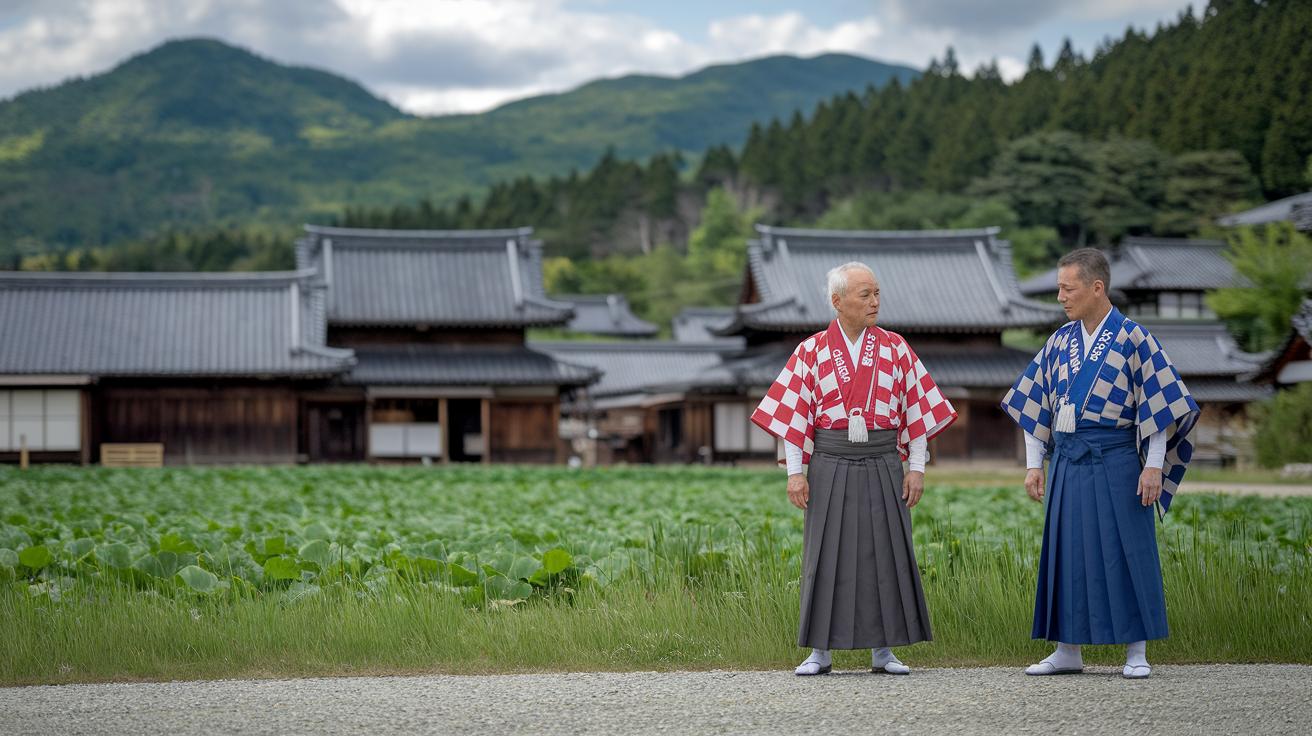
Before the taika reforms, Japan was run by local clans who governed their own lands. Each clan had its own customs and ways of doing things. Local chiefs handled everyday matters without a strong central power to guide them all. Think of it like many small communities each doing things their own way instead of following one set of rules. For instance, remote groups settled fights and managed trade on their own, while larger families looked after bigger, wealthier areas.
Local leadership relied on traditions passed down over many years. In the countryside, the word of the local leader was final, meaning that a leader’s personal reputation and ties were key. Sometimes, nearby clans would join forces to solve bigger problems together. Urban areas were fewer but began to emerge along busy routes like the ones between Kyoto and Sekigahara. Picture a lively market town along a busy road where farmers, merchants, and officials mixed every day. This mix of old rural customs and emerging urban life hinted at future changes.
In this patchwork system, legal and political power was spread out. Each clan made its own rules and defended its own land, which made it hard to work together on a larger scale. Local courts and village elders took care of issues up close and personal. This loosely structured setup paved the way for leaders to bring everyone together under a more unified government.
Major Decrees and Policy Innovations of the Taika Reforms
The Taika reforms completely changed Japan's political setup by putting clear, easy-to-follow rules in place. These new rules shifted land ownership and royal power so that everything came under the emperor. One important decree took land away from small clan groups and put it under state control. For example, a reform stated, "Every piece of land is now under the emperor's domain." This helped bring uniform taxation and resource management to the whole country, building a steadier and more organized society.
The reforms also brought in a ranking system that grouped officials into clear levels. Each rank came with its own set of tasks to keep everything running smoothly. Think of the rule, "Official status is assigned based on merit, not merely birth." This idea was all about making sure power was spread out fairly. Various government departments, like those handling finance, justice, and public works, got clear roles, too. It wasn’t just about setting rules, it was about building a system that could support the government for years to come.
These changes brought a real modern twist to Japanese government. The reforms reworked how land was managed, taxes were collected, and officials were organized. Imagine a community where every farmer, merchant, and official fits into a bigger, well-organized picture. Each decree took a step toward a centralized state and showed how smart legal and administrative moves can shape a nation's future. These bold steps not only changed political control but also set a pattern for future reforms in Japan, creating the backbone of a lasting administrative system. Truly transformative.
Central Power Consolidation and Bureaucratic Evolution Under the Taika Reforms
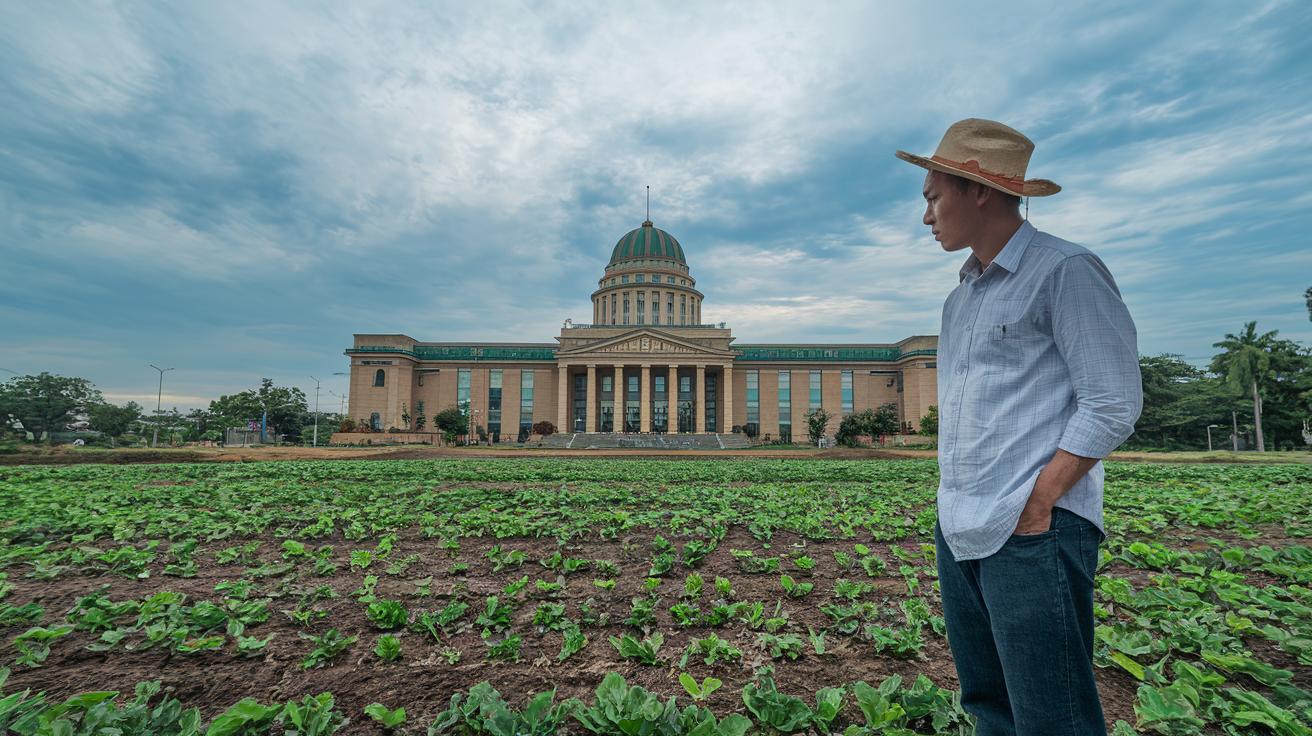
These reforms completely changed how the government worked day by day. For instance, regional tax collectors, who used to be chosen by local village leaders, now report directly to central ministries. Imagine a small village clerk beginning his day by preparing standard reports for the central treasury instead of relying on old personal ties. This was a big shift toward a system of clear, centralized oversight.
Officials started being picked for their skills rather than their family connections. One story tells us that a local leader lost his job after a careful review of his administrative abilities. Picture this: a former local chieftain being replaced by a younger officer who had excelled in civil exams. This change not only made operations run smoother but also pushed everyone toward greater accountability.
New government departments, like those for finance and justice, began managing everyday affairs with clear, written instructions. Officials were now required to check land boundaries and tax obligations according to policies issued from the center. This update meant that day-to-day legal and administrative tasks were now standard across the state, replacing the varied local customs of the past.
Over time, the move to a centralized system reshaped social structures beyond just hiring practices. With better record-keeping and promotions based on merit, a more consistent legal and economic environment emerged. These changes reached local communities and laid the foundation for long-term social development.
Social and Economic Effects of the Taika Reforms
The Taika Reforms brought deep changes to who controlled the land. Local clans lost their hold on property as the state took over. For example, one decree stated that all farmland now belonged to the state. Imagine a farmer who has worked his land under old traditions now watching it become part of a central register. This change meant that taxes were set the same way everywhere. Tax officials could now decide rates without bending to local customs that used to vary from clan to clan.
At the same time, farming rules were reworked. Under these new guidelines, every farm followed similar practices. Picture a small village where each farm works in the same way; it made it easier for the state to predict food supplies and plan ahead. These changes also reshaped the social order. A community that once relied on inherited land rights saw commoners face new tax laws and land rules.
Elite families who once controlled large areas of land had to adjust too. They were forced to work under a system that gave more power to the state. As a result, the old power balance was redrawn. In many regions, local traditions were replaced by uniform procedures, making it simpler to connect rural and urban practices.
Overall, the state’s control over land and farming set the stage for a broader social change. Land ownership became a way to organize the economy and bridge gaps between different social groups.
Implementation Challenges and Elite Resistance to the Taika Reforms

The new Taika reforms shook things up in a big way. They challenged the old powers, and many noble families and local leaders pushed back. Powerful clans, used to controlling land and wealth by birth, saw these changes as intrusive. For example, when a local noble got the news that his ancestral lands were now claimed by the state, the reaction was fast and furious.
Local leaders also doubted if these policies were fair. They believed that old family rights and traditions were far more important than a modern, top-down order. In one case, a high-ranking noble stood up in court, arguing that the changes ignored his family’s long history. This public outcry not only slowed the reforms but also revealed deep divisions in the move from a clan-centered to a centralized system.
The pushback grew stronger as local alliances were disrupted. When the reforms moved authority from birthright to skill-based appointments, many influential families lost both respect and control. In a way, this created a tricky situation where the goal of a more refined culture was mixed with the heavy struggle of powerful elites trying to keep their grip on power.
The officials in charge of enforcing these reforms had a tough job. They worked hard amid constant resistance from old-school noble groups and shifting local power bases. Their experience shows just how complex it was to break old habits and build a new system from scratch.
Long-Term Legacy and Impact of the Taika Reforms on Japanese Administration
Imagine early rules on land ownership setting the stage for a modern nation. The Taika reforms gave future governments the blueprint they needed, especially during the Meiji Restoration. For instance, the state’s decree on managing land inspired legal codes that helped shape today’s property laws.
The way officials were chosen also shows the reform’s lasting mark. Early centralized control in picking bureaucrats later evolved into a merit-based system during the Meiji era. Think of it as building a strong administrative structure piece by piece, making governance smoother as Japan modernized.
In comparing historical reforms, Japan’s method stands out. Many places tried land redistribution, but Japan balanced local needs with national oversight in a smart, organized way. This careful mix of local and central control paved the way for future legal changes.
| Aspect | Taika Reforms | Meiji Restoration Reforms |
|---|---|---|
| Central Authority | Set up clear central control over governance | Used a merit-based system for choosing officials |
| Land Management | Established basic principles for state land ownership | Improved property laws to support a modern nation |
| Legal and Administrative Practices | Introduced standardized legal guidelines | Built modern legal frameworks using early practices |
Looking back, it’s clear that the Taika reforms left a legacy that rippled through time, shaping Japan’s legal and administrative systems in a very practical way.
Final Words
In the action, we traced how the Taika reforms reshaped Japanese governance by laying the groundwork for central power and structured bureaucracy. We touched on the social, economic, and political ripple effects that continue to influence modern systems.
Each section painted a picture of turbulent change and thoughtful reform. The discussion reminds us that even dramatic shifts in history help form the resilient framework we see today. Moving forward, understanding taika reforms can spark fresh insights and fuel informed conversations.
FAQ
What did the Taika Reforms do?
The Taika Reforms reshaped Japan’s government by shifting authority from clan leadership to a centralized imperial system, introducing changes in land organization, ranking, and administrative practices.
What was the result and impact of the Taika Reforms?
The reforms led to a new governing framework with centralized power and revised social order, though they also met resistance from established clans that limited their full implementation.
When did the Taika Reforms take place?
The reforms began in 645, marking an era of significant shifts in Japan’s political and administrative systems that influenced state structure for centuries.
Why did the Taika Reforms face challenges?
The reforms encountered pushback from powerful clans who were reluctant to give up traditional land rights and privileges, resulting in partial success and enduring regional influences.
What resources exist for studying the Taika Reforms?
Various academic sources offer maps, PDFs, and detailed texts that explain the reforms, providing visual and written material to support research on these ancient changes.
What are two major changes brought by the Taika Reforms?
The reforms introduced state control over land and established a formal rank system, both of which restructured Japan’s political authority and societal structure.