




Ever wonder if your ideas could be your most valuable asset? Intellectual property rights act like a safety net that protects the spark of creativity in your inventions, art, or secret recipes. When these ideas are legally shielded (meaning the law keeps your work safe), you can focus on building your dreams without worry.
This blog talks about how these protections work and why they’re a big boost for anyone creating something new. With clear insights and real-life examples, you’ll see that understanding these rights not only guards your hard work but also opens up new doors for creativity and fair business practices.
Key Concepts in Intellectual Property Rights
Intellectual property is about the creations of your mind. It covers inventions, artistic works, brand names, and even secret business information. Even though you can’t touch these ideas, they have real value. Laws protect them so you can feel safe knowing your original work isn’t taken without permission.
This kind of protection makes a big difference in our economy. It acts like a reward that encourages inventors and companies to invest time and money into new ideas. When you know your work is safe, you’re more likely to create something new. And that means more choices and fair competition for everyone.
Below is a simple HTML table that explains the main types of protection:
| Type | Description |
|---|---|
| Patents | Offer inventors a limited, exclusive right to make, use, or sell an invention (you need detailed filings for this protection). |
| Copyrights | Give creators control over how artistic and literary works are reproduced and distributed. |
| Trademarks | Protect unique words, symbols, or designs that help identify a brand in a busy market. |
| Trade Secrets | Keep confidential business information safe through agreements and internal measures. |
These protections build trust and stability in the business world. They provide a clear route for creators to benefit from their hard work. Agencies like the USPTO (United States Patent and Trademark Office) work to keep this system fair, so that inventors and businesses can continue to drive progress. Ever notice how a little security can spark incredible creativity? It’s this balance that helps our economy grow and thrive.
Role of Patents in Intellectual Property Rights

Patents act like a safety net for inventors, giving them a 20-year window during which nobody else can make, use, or sell their invention. In simple terms, they offer a temporary monopoly that helps inventors see a return on their hard work and investment. Think of a patent as a sturdy wall that keeps copies at bay, letting creators push forward with confidence.
When you file a patent, you’re required to submit a detailed application to the USPTO. This means you need a clear explanation, accurate drawings, and specific claims that define exactly what your invention covers. Imagine an engineer meticulously laying out a new water filtration system with detailed, step-by-step illustrations, every small detail plays a part. The invention must meet important criteria like novelty (being a completely new idea), non-obviousness (not an everyday improvement), and utility (having practical use) to be approved. International organizations like WIPO work to keep these standards consistent across different countries.
Even once a patent is in hand, protecting it isn’t always easy. Digital theft, for example, makes it simpler for unauthorized people to copy inventions online, and problems can pop up when infringement happens in another country. These challenges mean inventors often have to take smart legal steps and work with international partners to ensure they get the full benefit of their groundbreaking work.
Copyright Protection within Intellectual Property Rights
Copyright lets creators decide how their work is copied, shared, changed, performed, or shown to the public. It covers a range of creative work like books, songs, paintings, films, and more. This protection (a safeguard provided by law) keeps creators in charge of their original ideas so they can earn rewards for all their hard work.
- Reproduction: The right to make copies of the work.
- Distribution: The right to sell, rent, or give away copies.
- Adaptation: The right to change the work into another form.
- Performance: The right to show or play the work in public.
- Public display: The right to present the work publicly.
Registering your work with the U.S. Copyright Office makes these protections stronger and easier to enforce if disputes come up. Once registered, copyright generally lasts for 70 years after the creator’s death. For instance, imagine an independent filmmaker who registers a short film. This step not only proves ownership but also sets clear rules for licensing deals or any future legal action if someone uses the film without permission.
By understanding these basics, artists and creators can feel confident in protecting their creative assets and control how their work is enjoyed by audiences.
Trademarks in Intellectual Property Rights
Trademarks help protect a brand by letting businesses use distinctive words, phrases, symbols, or designs to set their products apart. They work like a personal signature that tells customers they’re getting something they can trust. When you see a familiar mark, it brings to mind quality and reliability, vital in today’s busy market.
| Step | Description | Responsible Body |
|---|---|---|
| Preliminary Search | Review existing marks to spot any conflicts | USPTO database |
| Application Filing | Submit your mark along with a specimen and fee | USPTO |
| Maintenance & Renewal | Submit declarations and renew every 10 years | USPTO & registrant |
After a trademark is registered, keeping it active is as important as getting it approved. Businesses must continue to use their mark in commerce (business activities) to keep its protection valid. This isn’t just about paperwork, it means filing renewals on time and taking action against anyone who tries to use the mark without permission. In short, steady upkeep makes sure the trademark stays a strong sign of quality and helps secure the brand in a constantly changing market.
Trade Secrets in Intellectual Property Rights

Trade secrets are private business details that give companies an important edge. They can be anything from a secret recipe to a unique method that sets a product apart. Imagine a drink made with a special formula that no one else knows, that secret is what helps a company shine in a crowded market.
Businesses take many steps to keep their secrets safe. They use nondisclosure agreements (NDAs, which are legal promises not to share sensitive information), limit who can see key details, and enforce strict internal rules. In other words, they make sure that only team members who really need to know have access. This careful approach helps protect valuable formulas and processes from being leaked or misused.
Laws like the Uniform Trade Secrets Act (a set of rules protecting business secrets) and the Defend Trade Secrets Act (a law to fight against secret theft) give companies legal backup. If someone steals or shares a trade secret, these laws can help the business take action and even face heavy penalties. This legal support makes it clear how important it is to keep these creative assets under lock and key.
Enforcement and Remedies under Intellectual Property Rights
When someone uses a protected work without permission, it’s called IP infringement. This can include making, using, or selling a patented invention without a license, copying or changing creative works illegally, misusing brand names in a way that confuses buyers, or even revealing a company’s secret information. Digital platforms can quickly spread fake or unauthorized copies, making it harder to stop these actions. So when this happens, the owners of these rights can ask for legal fixes like stopping the infringement (an order from a court to cease the activity), monetary compensation, or even criminal penalties. In short, when your intellectual property is misused, taking legal action becomes very important.
Patent Enforcement
In cases involving patents, courts usually step in to stop more copying by issuing an order that halts the infringement immediately. They calculate the damages by looking at things like the profits lost or how much it would cost to replace the technology. For instance, if an inventor finds someone copying their invention, the court might shut down the production and order a payment to cover the losses. It’s like putting the brakes on further damage while making sure the original inventor is fairly compensated.
Copyright Enforcement
When it comes to copyright, tools like DMCA takedown notices help get rid of unauthorized material online pretty fast. Courts sometimes impose pre-set damages (known as statutory damages, which are a set amount of money decided by law) in big cases to discourage others from breaking the rules. This method works well to remind everyone of the importance of protecting creative work and keeps artists and creators motivated to watch over their work.
Trademark Enforcement
For trademark issues, courts use a test called the likelihood-of-confusion to figure out if consumers might mix up one brand with another. Typically, the fight begins with a cease-and-desist letter, asking the wrongdoer to stop. If that doesn’t work, the case might go to court. This process is all about keeping the brand’s identity clear and earning the trust of consumers.
Trade Secret Misappropriation
When a company’s trade secrets are shared without permission, the firm can take civil action under laws like the Uniform Trade Secrets Act (a law that protects confidential business information) or even press criminal charges. These steps are essential for keeping valuable business details safe and preserving a company’s competitive edge.
Sometimes, parties choose alternative dispute resolution methods like arbitration or mediation to resolve issues faster and with less expense than a full court trial. Recent legal updates show that these friendly approaches are growing in popularity alongside traditional courtroom battles.
Licensing and Monetization in Intellectual Property Rights

Licensing models give inventors and creators a way to let others use their work while still keeping control and earning money. They can be set up as exclusive, meaning only one party gets the right to use the work, or nonexclusive, where several people can use it at the same time. For example, a musician might grant a film studio an exclusive license for a soundtrack while retaining rights to license it elsewhere. This flexible approach helps creators reach different markets and boost their income.
Valuing intellectual property means looking carefully at market trends, similar deals, and royalty rate discussions (royalties are payments made for the use of someone’s work). Think of it like comparing the price of a new software tool with others on the shelf. By gathering data on similar licenses and current market conditions, legal experts can accurately estimate the asset’s worth , a crucial step when setting up a licensing agreement.
Key parts of a contract include terms like field-of-use (the specific area or purpose the license covers), duration, territory, and sublicensing rights (the ability to grant some rights to another party). These clear rules help everyone know exactly what they can and cannot do, reducing the chance of disputes. In short, a well-crafted license not only protects the creative work but also creates a reliable stream of income, even from a small idea.
International and Future Developments in Intellectual Property Rights
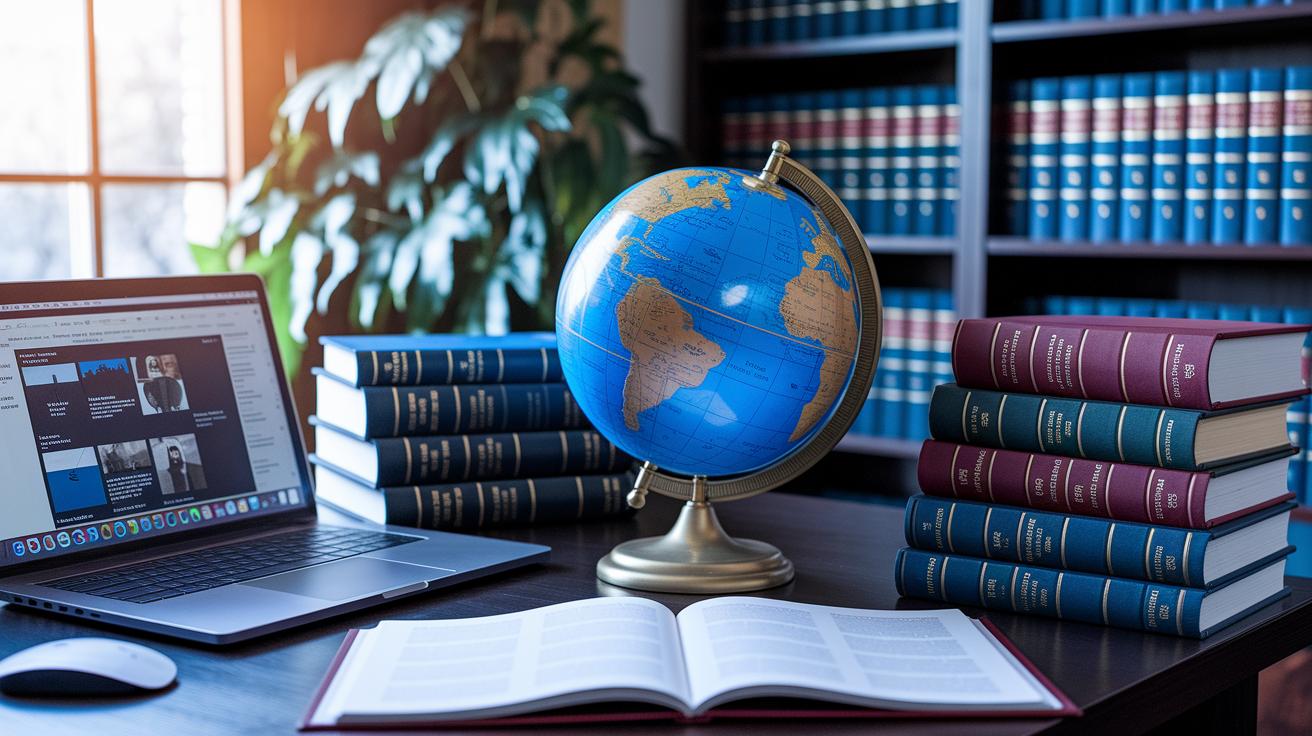
Big global agreements like the Paris Convention, the Berne Convention, and TRIPS lay out basic rules for intellectual property rights. Think of these treaties as a common map that helps creators and inventors all over the world protect their works. They give everyone the same starting point so ideas can flow more freely from one country to another.
Protecting these rights across different borders isn’t always easy. National agencies and groups like the WTO join forces to sort out disagreements when someone’s work is copied without permission in another country. It’s a bit like trying to share a cherished recipe with friends abroad while keeping it safe, you need trust and clear rules to make it work.
New tech like AI, blockchain, and IoT is sparking fresh talks about who really owns a creation. As digital content keeps changing, experts are watching closely to see how creations made by AI will fit into our current laws (laws that set out what is allowed). Many are betting that countries will work together even more in the future, coming up with new legal rules that protect creative works while keeping up with rapid innovation.
Final Words
In the action, we reviewed critical ideas behind intellectual property rights. We broke down patents, copyrights, trademarks, and trade secrets so that each legal tool is clear.
We also looked at how legal frameworks support creators with exclusive rights and fair economic benefits.
This overview strengthens our understanding intellectual property rights and shows how these tools serve creative and business needs.
Let’s carry this insight forward with confidence and optimism.
FAQ
What is intellectual property?
Intellectual property refers to intangible creations of the mind, such as inventions, literary works, and trademarks, which are afforded legal protections to help creators benefit from their work.
How do you explain intellectual property rights?
Intellectual property rights grant creators exclusive control over the use and distribution of their creations, allowing them to prevent others from using their work without permission.
What are the four main types of intellectual property rights?
The four main types include patents (protect inventions), copyrights (protect creative works), trademarks (protect brand names and logos), and trade secrets (protect confidential business information).
Can you provide examples of intellectual property rights?
Examples of intellectual property rights include a patented invention, a copyrighted book or song, a trademarked logo or slogan, and a trade secret like a secret formula.
Why is intellectual property important?
Intellectual property is important because it encourages innovation, protects creative work, and supports economic growth by allowing creators to profit from their ideas and investments.
What are the seven rights of intellectual property?
The seven rights often discussed in intellectual property include the rights to reproduce, distribute, modify, display, perform, license, and protect the work from misuse by others.
Where can I find PDFs on intellectual property rights?
PDFs on intellectual property rights are available from reputable legal sources and government websites, which offer detailed guides and resources for understanding creative protections.