



Have you ever wondered if a small group’s choices affect your daily life? The lawmaking body in California has a rich history and a setup that divides work between two groups. One group moves quickly and feels very connected to local concerns. The other takes a slower pace to carefully handle big issues like budgets and policies.
This unique structure, built over many years, still touches everything from our schools to our hospitals. It’s like watching a well-rehearsed dance, each partner playing a vital role in shaping the state we live in.
California Legislature: Dynamic Structure and Rich History
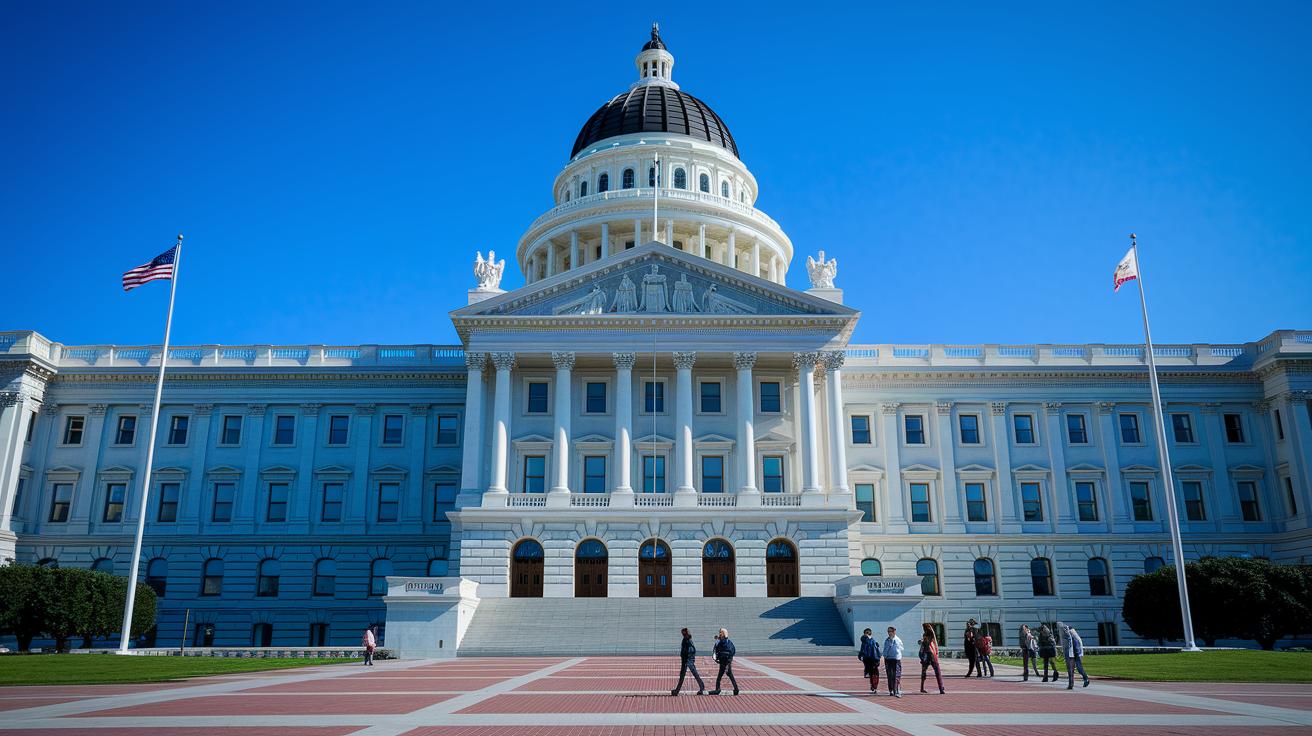
Think of the California Legislature as the core lawmaking force in the Golden State, shaping our everyday lives. It operates with two parts: the Assembly and the Senate. The Assembly covers 80 districts and works quickly while staying close to the people, whereas the Senate represents 40 districts and takes a broader, more long-term look at policies. It's a bit like a team where every voice counts.
Besides making laws, this body also approves the state budget and keeps an eye on public agencies. Imagine lawmakers huddled together, hashing out a $325 billion budget to support schools, healthcare, and transportation. Each discussion is like putting together a puzzle, where every piece matters to ensure a better future for all Californians.
Independent news outlets, like CalMatters, play an important role by keeping the Legislature’s actions transparent. They follow bills, votes, and public hearings in real time and provide clear, easy-to-read updates to help everyone understand what’s happening.
| Chamber | Main Functions |
|---|---|
| Assembly | Shorter terms, closer community ties, and swift lawmaking |
| Senate | Longer terms, broader policy review, and strategic budget planning |
Historical Milestones of California’s Legislative Branch

California’s legislative branch began its journey in 1849 and has changed a lot over time. Early pioneers created a system that tried to keep up with a growing state. One big turning point happened in 1911 with the Progressive amendments, which were designed to make government more open and responsive. In just a few years, these changes reshaped the lawmaking process, reflecting a deep desire for fairness that still rings true today.
Later on, in 1990, a new term-limit rule brought in fresh ideas and kept the branch more connected to the people. It was a moment when the state showed that new blood can bring new energy to government. CalMatters, a respected source with four Golden State Journalism Awards, has done a great job explaining how these updates made the legislative branch more accountable to its citizens.
Every major change, from constitutional updates to big institutional reforms, came from a public plea for better government. Lawmakers have redefined their roles through these shifts, and each step has influenced both how new policies are made and how citizens take part in government.
Dual-Chamber Dynamics: Assembly and Senate in the California Legislature
The California Legislature is divided into two houses. This setup helps to keep a balanced mix of ideas and responsibilities. Independent news sources and digital democracy tools show how each chamber works through specific committees and leadership roles.
California State Assembly: Roles and Responsibilities
The Assembly has 80 districts, and each member serves for two years. This short term helps lawmakers stay close to the people they represent. The Speaker of the Assembly guides the daily agenda and assigns members to different committees. Think of these committees like puzzle pieces, each one focuses on areas like education, health, or transportation to complete the big picture. Assembly members often need to act fast on community issues, which means quick decisions are part of the job.
California State Senate: Duties and Leadership
The Senate, on the other hand, covers 40 districts with each senator serving a four-year term. This longer term gives senators more time to think about how policies affect the state. The Senate is led by the President pro Tempore (a top leader who helps set priorities), much like a conductor leading an orchestra. Committee chairs in the Senate take a deep look at bills and major policies, ensuring that every detail is examined before moving forward. Together, the differences in term lengths and leadership styles make sure that both quick fixes and careful planning help shape state laws.
Profiles of California’s Legislators
CalMatters shows you what California’s lawmakers are up to by breaking down key details like bill passage rates and how they serve their communities. One lawmaker’s profile might even spotlight quick moves on local issues, proving how real, community-based changes happen.
Each Assembly profile lists clear numbers that explain not only the bills they back, but also how they connect with their people. You can easily compare these profiles to see which lawmakers are more successful in getting important laws passed or in supporting local projects.
Senate profiles take a broader view of leadership. They offer dashboards that highlight years of work and the role senior lawmakers play in shaping state-wide policies. The site even includes themed agendas, such as "California Agenda 2025," that lay out clear legislative goals.
There are also rankings showing top and bottom performers. This helps you quickly spot who’s excelling and where improvements might be needed.
Official Legislative Calendar and Session Overviews
CalMatters sends out a daily newsletter that works like a handy planner for the state's lawmaking year. It lays out exactly when sessions kick off and when key events take place. The January general session starts new lawmaking efforts, while the December budget session wraps up the state’s financial plans. This schedule helps lawmakers keep track of when to work on bills, debate important public matters, and set financial policies.
They also clearly list committee hearing times, so you know when legislators discuss big issues like healthcare, education, or transportation. Bill-filing deadlines are marked precisely, acting like checkpoints that remind lawmakers when to roll out new ideas or reconsider current proposals. For instance, a note might say, “Mark your calendar for the June 15 budget cutoff,” making it clear when important financial measures head to a final vote.
This calendar is more than just a list of dates, it’s a roadmap that shows how timing can shape big decisions. Each session builds on the one before, laying out a framework that supports continuous public service and accountability.
- January general session
- December budget session
- Committee hearing schedules
- Bill-filing deadlines
How a Bill Becomes Law: California’s Legislative Process

The journey from a draft bill to a law in California follows clear, easy steps. It all begins when lawmakers and their teams work together, using thorough research, expert advice, and ideas from the community to shape a proposal. Picture it like an architect sketching the first blueprint for a building, each stroke lays the groundwork for future change.
Once the draft is complete, the bill is introduced to the Legislature and sent to a committee that focuses on specific topics like education or transportation. Here, lawmakers discuss every detail, suggest changes, and listen carefully at public hearings. Imagine a group of neighbors gathering to share their thoughts on a new park. And with modern tools, custom AI tracks each step, from the bill's introduction to every amendment, committee meeting, and vote. In fact, around 2,500 bills are proposed each session, showing just how active the process is.
After gaining committee approval, the bill moves to the Legislature’s floor, where debates and further reviews take place in both houses. Think of it like a chef perfecting a recipe, each small tweak helps ensure the final product meets the community’s needs and legal standards. Only about 1,000 bills make it through these rounds of detailed discussion and votes.
Finally, if both houses pass the bill, it lands on the governor’s desk. The governor can sign it into law or send it back for additional changes. This careful, step-by-step process ensures that every bill is thoroughly examined before it becomes part of daily life in California.
Tracking Legislation: Digital Tools and Transparency Measures
The nonprofit newsroom's Digital Democracy platform gives you a clear look at how laws are made. Using AI (artificial intelligence that helps computers learn), it watches every public hearing, vote, and even campaign donation so that everyone can follow each bill's journey. This interactive data center makes it easy to search bill texts, check sponsorship details, and review donor profiles.
Think of it like checking your email when you search for a bill proposal. These bill tracking and search tools give you up-to-date details about what committees are doing and how legislators deal with each proposal. You can also see which lawmakers support a bill and read the discussions that shaped it.
Key features of these digital tools include:
- Real-time updates on legislative activities
- Databases that list all votes and public comments
- Tracking systems that follow every amendment and revision
For instance, when you type a bill number, you instantly see its status, committee reviews, and any linked campaign contributions. This technology opens up every step of the process, clearing up how policies are made. It gives everyone an honest look into legislative priorities. With these tools, keeping government accountable becomes a shared effort, letting you stay informed and engaged in the system.
Recent Developments and Key Policy Debates in the California Legislature

Recent headlines have put California's legislative session under a bright spotlight. Lawmakers are busy with high-stakes debates and bold moves. They just approved a $325 billion budget that some described as having been "passed on hope." This move has sparked many questions about whether the budget can truly support essential public services amid ongoing debates.
A detailed survey by PPIC shows that 55% of Californians now want lower taxes and fewer services. This clear shift in public opinion is pushing legislators to rethink long-standing spending habits. It also adds extra pressure on them to stand by every major financial decision, underlining how quickly community expectations can change.
Quick legislative hearings have taken center stage. Hundreds of bill proposals, many aiming to cut funding for health care and education, were shot down in no time. These fast sessions are watched closely by both the public and the media. Real-time updates from independent news platforms let everyone follow every vote and policy change, ensuring that each controversial idea gets a thorough look by experts and citizens alike.
All these debates show just how hard it is to balance the need to save money with keeping vital services running strong. Every dollar and decision is measured carefully against the everyday needs of California residents.
• The budget approval has sparked fresh debates on state money priorities.
• New public opinion numbers are stirring conversations about taxes and services.
• Fast bill rejections show a cautious approach to making sudden, deep policy cuts.
District Mapping and Representation in the California Legislature
District mapping in California helps keep our lawmakers in check and makes policy-making clearer for everyone. Lawmakers use up-to-date population numbers to draw district lines, ensuring that each area shows its community’s unique characteristics. CalMatters makes it simple by listing legislators by district, complete with focused agendas like the California Agenda 2025 and side-by-side performance comparisons. Think of each district as a puzzle piece, with every piece telling its own story.
Digital tools also come in handy. They give you clear visuals of Assembly district outlines and Senate district maps that show how regions are laid out. This means you can easily compare legislator profiles and see how changes in who lives where might affect policy decisions.
Key features include:
- Listings of legislators by district
- Comparative performance dashboards
- Thematic data like the California Agenda 2025
In short, exploring these mapping tools lets residents see how shifts in population and local needs guide legislative choices. Each district’s distinct traits help make sure that local voices shine through in lawmaking, empowering Californians to hold their representatives accountable.
Final Words
In the action of breaking down California’s lawmaking, this discussion walked through key processes, highlighting the roles, history, and structure behind the system. It showed how legislators work, shared insights on bill tracking, and looked at practical tools for following key deadlines. Every segment aimed to simplify the steps from bill drafting to law passage, making the process less daunting. Understanding lawmaking is crucial when keeping up with developments in the california legislature, and there’s plenty to learn as time moves forward.
FAQ
Q: What are Ca Legislature bills?
A: Ca Legislature bills refer to the proposed texts discussed and processed by state lawmakers. They outline changes to rules and actions affecting communities, covering various topics from local to statewide matters.
Q: What does “California bills passed today” mean?
A: “California bills passed today” means the bills that have received the required votes and completed the legislative process on that day, signaling their potential enactment into law.
Q: What is the California State Senate?
A: The California State Senate is the upper chamber of the state legislature. Its members serve longer terms and manage key committees that review, amend, and vote on proposed laws.
Q: What is California Legislative Information?
A: California Legislative Information is the official online resource offering comprehensive details on bills, voting records, and session information. It helps the public track legislative actions and government decisions.
Q: Who are California senators?
A: California senators are elected officials in the State Senate who represent specific districts. They work on formulating, debating, and voting on legislative proposals affecting the state.
Q: Who is my California State Assembly member?
A: Your California State Assembly member is the elected representative for your local district in the Assembly. You can learn more about them through official state websites that list district information.
Q: How many members are in each chamber of the California Legislature?
A: The California Legislature consists of two chambers: 80 Assembly members and 40 Senate members. This structure ensures representation across diverse geographic areas in the state.
Q: How can I search for bills on leginfo.legislature.ca.gov?
A: Using leginfo.legislature.ca.gov lets you search for bills by keywords, track their progress, and read associated documents. The website is designed to make legislative details easy to access.
Q: What is the website for the California Legislature?
A: The California Legislature is officially represented online through a website that provides access to legislative documents, session calendars, and other essential state law information.
Q: Where can I read California law?
A: You can read California law on official state websites that publish statutes, regulations, and legal texts, giving the public direct access to current legal information.
Q: Who is the current California state senator?
A: The current California state senator is the elected leader representing your Senate district. Their profile is available on the official legislative directory, which provides updated contact and role details.
Q: How long is the California legislature in session?
A: The California Legislature’s session length varies by term. It typically starts in January for general sessions and includes a budget session in December, with fixed deadlines guiding the legislative calendar.