



Can a prisoner really be his own legal champion? In a system where getting professional legal help is tough, jailhouse lawyers step up. They turn their cells into little law schools, studying old case files and texts so inmates can speak up for their rights.
These self-taught legal experts offer a lifeline to those who can't get lawyer support. They learn step by step, much like assembling a puzzle where each piece is crucial.
It’s a powerful example of inmates taking control of their own representation. Ever notice how one small detail can change everything? Their actions challenge a system that often only hears one side of the story.
In summary, jailhouse lawyers are more than just prisoners, they’re determined advocates fighting for fairness, even from behind bars.
jailhouse lawyer Explained: Definition and Key Functions
Jailhouse lawyers are prisoners who step up to help their fellow inmates when professional legal support isn’t available. They usually learn on their own by studying laws, case decisions, and statutes so they can break down rights and file petitions in plain language. Imagine someone in a cramped cell spending long nights with old law books, piecing together a way to build a case, they become a guide for self-representation.
These individuals handle essential tasks like researching case law, drafting petitions, and giving advice on legal filings. Their role is especially important for the roughly two million people in U.S. prisons who need a chance to speak up for themselves. They offer clear, step-by-step legal help when access to professional counsel is limited or completely blocked.
Their dedication turns difficult situations into real opportunities for legal advocacy. Sometimes a jailhouse lawyer might jot down a note like, "Even the most overlooked law can unlock a breakthrough in justice." This kind of insight helps inmates challenge wrongful detentions and stand up for their constitutional rights, giving a voice to those often ignored by the formal legal system.
jailhouse lawyer Origins: Historical Context of Inmate Legal Advocacy

In the early days, inmates used handwritten petitions and letters to swap legal tips, sparking what we now call jailhouse lawyering. They’d pass notes like, "I once read a case that could change everything," turning simple exchanges into a community effort to tackle legal issues, especially when a lawyer wasn't available.
Over time, these casual chats evolved into organized workshops inside prisons. In these sessions, personal stories and case details came together to shape strong petitions. For example, a 2022 report on prison policies showed how the system hits communities of color even harder. This proves that firsthand accounts, often written in cramped cell spaces, are vital for pushing legal reform. These stories do more than record hardships, they help drive policy changes and make legal arguments in court even stronger. Ultimately, the tradition of inmates representing themselves continues to build a legacy of empowerment and resilience for those fighting for their rights.
jailhouse lawyer and Prisoner Self-Representation: Rights and Federal Lawsuits
Federal lawsuits offer a lifeline for prisoners whose rights have been trampled. By filing in federal court, inmates can challenge conditions that break constitutional protections. This includes claims under Section 1983 (a law that lets you sue for rights violations) and asking the court for orders to stop ongoing harm.
The printed Jailhouse Lawyers Handbook is a key resource for those representing themselves. It explains complex legal steps in simple, easy-to-follow instructions.
- Obtain the Handbook – Fill out the in-cell form provided through your facility’s mail system to get a printed copy.
- Identify Your Claim – Figure out which right is being violated, whether it’s not getting proper medical care or enduring unsafe prison conditions.
- Draft Your Complaint – Write a clear, short complaint. Refer to legal guidelines and check out tips on “steps for effective legal analysis” to build a strong argument.
- File Your Lawsuit – Submit your complaint to the right federal court. Be sure to include all the necessary documents so your case can be properly reviewed.
- Serve Defendants – Make sure the opposing party gets a copy of your complaint so the legal process can move forward.
Each step is designed to help inmates fight for their constitutional rights. With the Jailhouse Lawyers Handbook as your guide, you get clear directions and legal strategies that empower you to take control of your case and seek justice, even under challenging circumstances.
jailhouse lawyer Case Study: Calvin Duncan’s Memoir and Quest for Justice

Calvin Duncan’s memoir, The Jailhouse Lawyer, shares a powerful story about being wrongly imprisoned and the strength of learning the law on your own. While stuck in a system where inmates’ rights often get ignored, he took it upon himself to study past cases and build a solid argument against the decisions that had him detained. His journey reminds us that even behind bars, a determined spirit can push back against a broken system.
During a lively NPR interview, host Scott Simon and co-author Sophie Cull chatted with Duncan about his unique process and its impact. He explained that by carefully examining earlier legal cases, he found a clear framework to argue for his freedom. Using well-known legal examples, he proved that someone with limited resources can still put together a convincing case for justice. It really shows that with a bit of grit and insight, you can challenge even the toughest situations.
Beyond his personal hardships, Duncan’s memoir brings attention to the larger problems affecting many inmates. He takes us from the isolation of his cell to the complexities of courtroom filings, shedding light on the struggle of representing oneself without formal legal help. His story serves as a reminder that a clear understanding of the law and strong determination can spark much-needed changes in the system.
jailhouse lawyer Firsthand Narratives: Stories from Prison Lawyers
When you read the stories of jailhouse lawyers, you get a real look into the daily struggles behind bars. Inmates often share letters about the hard truth: there’s little access to updated law books and offering legal advice comes with risks. One inmate put it plainly, "Every page from that outdated law book was a lifeline in a system designed to keep us voiceless." This shows how these personal stories can help guide legal fights and give prisoners the knowledge they need.
These stories also shine a light on a broken system. Imagine trying to get proper legal texts while also dodging punishment for representing yourself. When inmates trade free law books and share detailed legal battles, they are building a community resource that goes way beyond one single story. These letters not only guide immediate legal moves but also spark wider debates about prison policies.
By weaving these experiences into legal conversations, the true voices of prisoners come through. This honest sharing nudges advocates and legal professionals to rethink and change old practices for a fairer system.
jailhouse lawyer Resources: Manuals, Guides, and Legal Tools
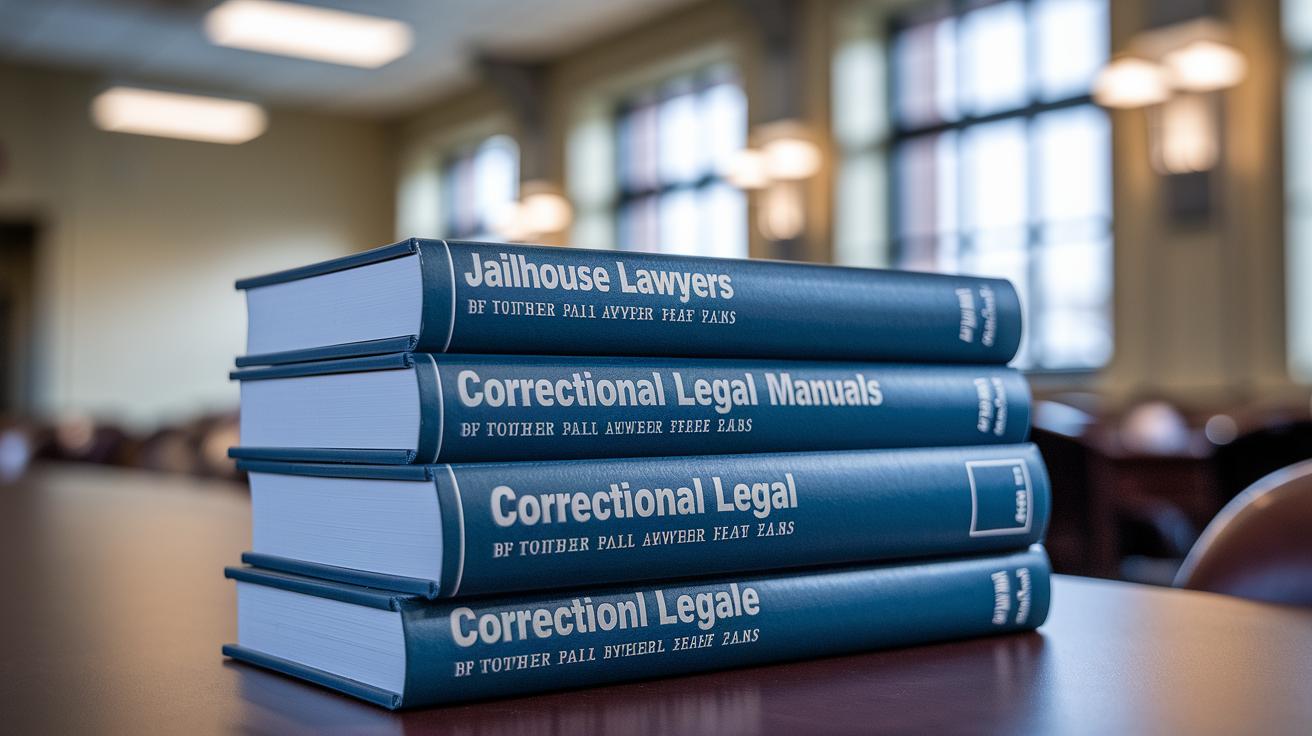
People in prison have a stack of handy guides that make it easier to understand the legal system even from behind bars. One of the main tools is the printed Jailhouse Lawyers Handbook, which comes with a simple request form that inmates can fill out right in their cells. This handbook uses clear, step-by-step instructions to help users file federal lawsuits and tackle constitutional challenges in prison.
Other important help comes from correctional legal manuals in PDF form. These come in 11th and 12th editions and explain legal standards (the basic rules of law) in detail. They even include sample forms for filing complaints, which is crucial for inmates who don’t often have legal professionals around. By following these guides, prisoners can gradually piece together their understanding of case law and build stronger legal arguments.
There are also self-help guides available online from advocacy groups. These guides run the gamut from explaining basic legal rights to offering more advanced legal strategies. They’re updated regularly, making them a great partner to the printed and PDF materials already in use in many prisons.
Looking ahead, a new correction manual is set for 2024. This update includes expanded chapters on constitutional law (the part of law dealing with the country’s founding document) and is designed to bridge the gap between older texts and today’s legal needs. With these tools, jailhouse lawyers can better represent themselves and boost their chances of fighting rights violations.
| Resource | Format | Access Method |
|---|---|---|
| Jailhouse Lawyers Handbook | Printed Manual | Request form in-cell |
| Correctional Legal Manual (11th Ed.) | Download via facility email | |
| Prison Law Handbook | E-Book | Advocacy group site |
| 2024 Inmate Self-Help Guide | Hardcover/PDF | Order online or by mail |
jailhouse lawyer Challenges: Criticisms and Limitations of Inmate Advocacy
The legal system often hesitates to recognize the value of inmates who offer legal help. Inmates who lend a hand in legal matters sometimes face serious punishment. One inmate even said, "I prepared a brief that saved a life, and yet my contribution was ignored by the system."
Old legal books and uneven access to resources add to the challenges. A 2022 report showed clear differences in case outcomes based on race, with some communities getting very little support. This pattern suggests there are deep-seated issues that lead to unfair results in custody matters.
- Courts are reluctant to accept legal input from inmates
- Inmates may face strict punishments for unauthorized legal help
- Current legal materials are hard to come by in some places
- Racial differences impact legal outcomes
Experts have suggested some fixes. One idea is to set up formal training for inmate advocates. Another is to create legal libraries inside correctional facilities. For example, imagine a program that gives inmates access to updated legal books so they can build their cases, much like apprentices working alongside seasoned professionals.
Final Words
In the action of exploring the role of the jailhouse lawyer, we defined the term and examined its key functions. We touched on origins, federal lawsuit rights, and even looked at real-life examples like Calvin Duncan’s memoir. Personal inmate narratives and useful legal resources further clarified the subject. Challenges such as limited recognition and risks were also highlighted. The insights here help build practical legal understanding while inspiring confidence in discussing this unique aspect of law.
FAQ
What does the term jailhouse lawyer mean and what is a jail lawyer called?
The term jailhouse lawyer means an inmate who offers legal help to fellow prisoners by researching case law, drafting petitions, and advising on filings, sometimes known simply as an inmate legal advocate.
Do lawyers make $400 an hour?
Lawyer fees range by experience, location, and case type. Some high-profile attorneys may charge premium rates, but most lawyers set fees based on the market and the specific details of a case.
What type of lawyer goes against criminals?
A prosecutor is the lawyer who represents the government in criminal cases, working to prove a defendant’s guilt and ensuring that criminal justice is properly served.