



Have you ever wondered why judges often stick with old rulings when deciding cases? Precedent works like a trusted guide that keeps court decisions steady over time. When judges lean on earlier cases (stare decisis, a rule that tells courts to follow previous decisions), they build their legal reasoning step by step, as if they are putting together a puzzle. This method not only shapes today’s arguments but also writes part of a bigger legal story. Let’s take a closer look at how this straightforward idea affects the way cases are decided.
Precedent Meaning in Law: Concise Legal Insight
Precedent in law means using decisions made in past court cases to help settle new, similar ones. It’s like having a trusted map that guides judges when they face familiar issues. When a court makes a clear, thoughtful decision, that ruling stays in place until someone comes along and changes it. Think of it as building your argument puzzle piece by piece, every decision matters.
Under what's called stare decisis (a rule that courts should follow earlier cases), judges look to earlier rulings to keep things fair and consistent. Imagine a judge saying, "This decision sets a key example for future cases." That shows how past rulings help shape what comes next. Understanding precedent means seeing how each decision not only deals with a current case but also adds to a larger story that guides law for years to come.
Binding vs Persuasive Precedents in Judicial Decision-Making
When a court hears a new case, it often looks at older rulings for guidance. A binding precedent is a ruling that all lower courts in the same area must follow. This comes from the idea of stare decisis (meaning courts stick with past decisions) and helps keep the law consistent. For example, if a top court sets a rule, every lower court is expected to follow that rule.
Persuasive precedents come from courts that are either on the same level or from other regions. They offer useful ideas and reasoning, though no one is forced to follow them. In one case, a decision from a nearby state swayed a local judge, even though it wasn’t required by law. This shows that persuasive rulings can shape a judge’s thinking without creating a strict rule.
| Type | Description |
|---|---|
| Binding Precedents | Lower courts must follow these decisions, ensuring the law is applied uniformly. |
| Persuasive Precedents | These rulings offer guidance with strong reasoning but are optional to follow. |
Relying solely on old decisions without fresh thinking can mean repeating past mistakes. Judges need to follow binding rules while carefully considering persuasive ideas. In short, building a case means mixing clear legal rules with thoughtful insights to reach fair decisions.
Role of Stare Decisis in Upholding Legal Consistency
Stare decisis, which means "standing by things decided," is the backbone of a fair legal system. In simple terms, it means that judges use earlier rulings to help decide current cases, making sure that similar situations lead to similar outcomes. Think about a judge who checks out a long-standing decision when handling a local dispute, this is a clear example of stare decisis in action.
This idea cuts down on guesswork and random decisions by providing everyone with a clear roadmap. When courts stick with past decisions, it helps keep the law steady and predictable. You might say, "Use past rulings like a trusted map to navigate complicated cases." Still, there’s a catch: if courts follow past decisions too rigidly, they might end up keeping outdated or unfair rules instead of updating them to match current laws or basic legal fairness.
So, striking the right balance is crucial. Courts need to honor established decisions while also being flexible enough to make changes that keep the law fair and relevant.
Landmark Cases Illustrating Precedent in Law
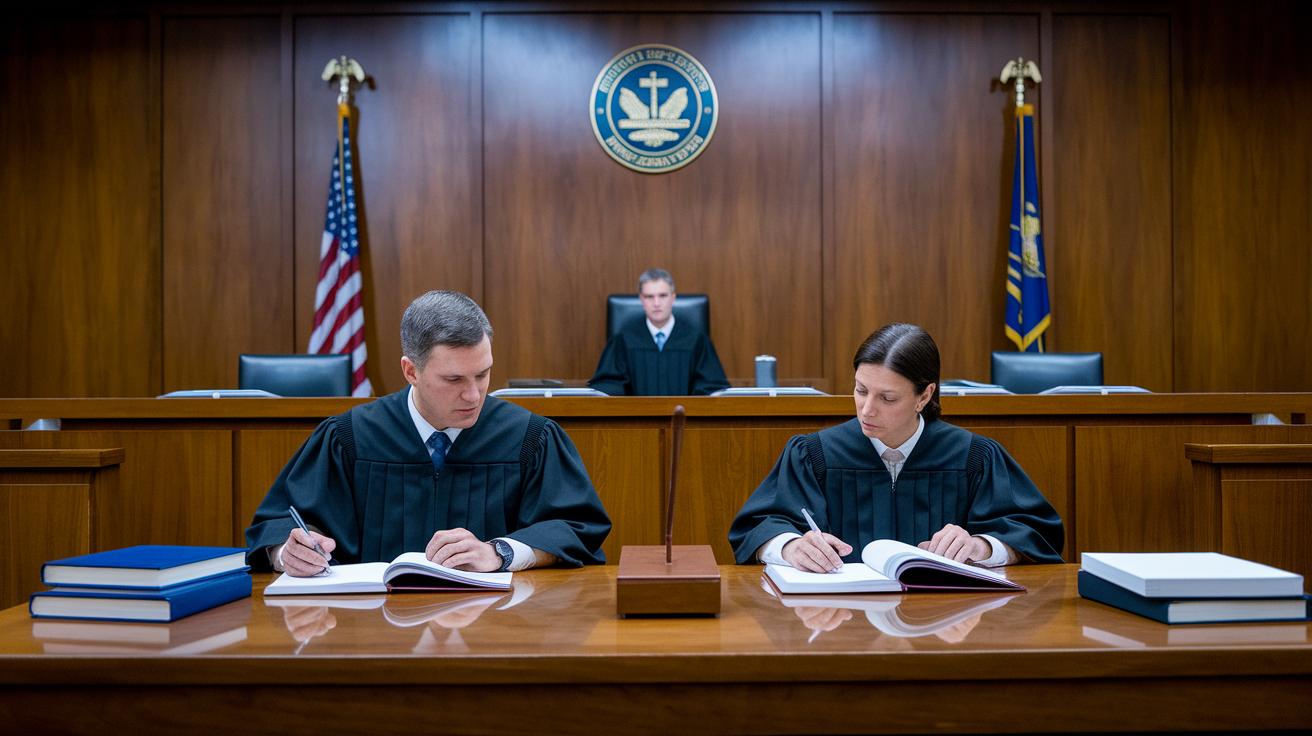
In Kudlacik v Johnny’s Shawnee Inc, the court made clear that once a legal rule is set, all lower courts must follow it. A strong legal decision like this guides future cases, and judges rely on that clear reasoning (the thinking behind the decision) to keep fairness and transparency throughout the system.
Brown v Board of Education completely changed the legal landscape by overturning older decisions and opening the door to stronger civil rights protections. This case shows us how past decisions can evolve to match new social values and guide government policies.
Often, judges look at several past cases when tackling tough issues. They review different legal rules (principles set by previous cases) to pick the one that best fits the situation. This careful review helps keep the law both consistent and open to needed change.
| Case | Impact |
|---|---|
| Kudlacik v Johnny’s Shawnee Inc | Set a clear rule that lower courts must follow established legal principles |
| Brown v Board of Education | Reversed older rulings to improve civil rights protection |
These landmark cases show us how legal decisions evolve and shape the future. They remind us that law is a living process, one that adapts to keep our society fair and up-to-date.
Application of Precedent in Contemporary Court Decisions
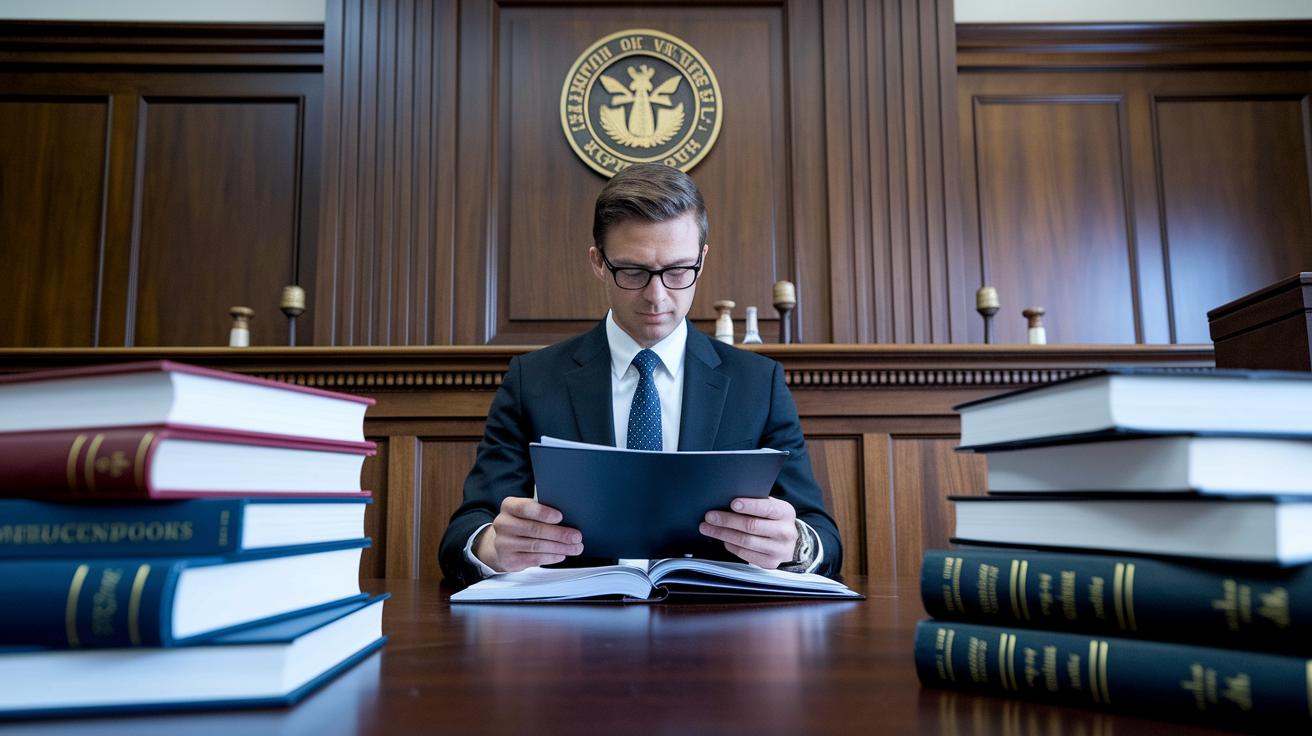
Judges and attorneys often build their cases by relying on past rulings. They check out headnotes (short summaries of previous decisions) to pick out the details that match their current disputes. For instance, a well-prepared law report will map the facts and legal questions of a new case to those from earlier rulings, unless there’s a clear difference or an error in the past decision.
Court decisions and precedent together create a roadmap for how judges make their decisions. When attorneys draft briefs and opinions, they reference earlier cases to show that the legal reasoning is steady and consistent. This technique not only helps lower courts stick to established precedents, but it also keeps the application of the law uniform across similar cases.
Appellate courts play a big part in this process by clearly explaining how past cases relate to the case at hand. They sometimes refine or even set apart a precedent when needed, and they do this with solid, step-by-step argumentation. During appellate review, judges carefully check if an old precedent still fits the modern legal context, ensuring that our evolving legal standards show up properly in the final decision.
Challenges and Evolution of Precedent in Modern Law
Recent studies show that judges are rethinking old decisions. Nearly 45% of recent cases now use new social science insights to question past rulings. For instance, in 2021, one appeals court overturned a decision after new public safety statistics emerged, setting a clear trend toward using evidence to update traditional views.
Here's a surprising tidbit: In one breakthrough decision, a court revealed that 40% of its precedents from the 1980s no longer matched today’s values. This sparked a systematic review of those old rules, showing that legal professionals are paying close attention to fresh case studies that expose gaps between past rulings and modern norms.
A recent survey of legal experts found growing concern about keeping outdated decisions just because they have historical weight. They warn that if we don’t reexamine these old practices, we risk letting past injustices continue unchecked.
- Legal analysts now see exciting trends where new data helps shape updates to judicial precedents.
- Other forward-thinking cases highlight clear shifts in how judges view issues as today's challenges emerge.
| Case | Year |
|---|---|
| Public Safety Reassessment | 2021 |
| Statistical Review Decision | 2022 |
Final Words
In the action, this article outlined the core definition of legal precedent, clarified differences between binding and persuasive precedents, and stressed the role of stare decisis in ensuring a stable system. We explored landmark cases and examined how modern courts apply precedent meaning in law while adapting to changing norms.
Each segment linked theoretical concepts to practical court applications. Keep these insights in mind as you build your legal knowledge and approach each case with confidence.
FAQ
Q: What is a precedent in law example and what is an example of a precedent?
The legal precedent is illustrated by cases like Brown v Board of Education, which set clear guiding rules that lower courts follow when making similar decisions.
Q: What is a precedent in law simple definition, and what does precedent mean in simple terms?
The legal precedent means an earlier court decision that guides current cases, acting as a basic rule that judges consider when determining fair outcomes.
Q: What does the term precedent mean in Hindi?
The term precedent in Hindi, “नज़ीर,” means a past court decision that sets a model for future cases, establishing guidelines that help maintain legal consistency.
Q: What does judicial precedent mean and how does stare decisis relate to it?
The judicial precedent refers to past decisions that shape future rulings, while stare decisis means following these decisions to ensure consistent and predictable legal outcomes.
Q: What is a precedent in government?
The precedent in government means a past government decision or action that shapes future policymaking and administrative rulings by serving as a reference point.
Q: What is a persuasive precedent?
The persuasive precedent is a decision from a court in a similar or foreign jurisdiction that may influence a judge’s reasoning but is not obligatory for the court to follow.
Q: What is another word for precedent in law?
The legal counterpart for precedent is often known as case law, which comprises prior judicial decisions that set guidelines for similar future rulings.
Q: Can a judge ignore legal precedent?
The judge ignoring legal precedent means that, while judges usually follow past rulings, they may reject them if there is a clear misapplication or error, subject to further legal review.