




Employers often hear that a healthier workforce brings steadier attendance and better morale, yet the path to that goal is rarely clear. A full benefits overhaul can strain budgets, confuse staff, and leave leaders unsure which parts actually helped. A small trial offers a more measured route. It lets a business test one initiative with a limited group, observe the response, and decide whether to expand. The sections below explain how to plan such a trial with realistic expectations and clear boundaries.
Identifying the Real Concerns
Begin by gathering information about the health concerns that affect daily work. Look at absence records, injury reports, and staff comments collected during routine meetings. Note patterns rather than isolated incidents, since a pattern usually points to a fixable cause. Readers may also want to visit cashing-az.com. Keep the focus on practical issues such as long shifts, physical strain, or stress during busy seasons. A clear problem statement guides every choice that follows.
Selecting One Initiative
Choose a single initiative that addresses the top concern in a practical way. Options might include a standing break policy, a short stretching routine, or access to an employee assistance line. Avoid launching several programs in the same quarter, because the outcome will not reveal which one helped. You can also visit private-bad-credit-lenders.com for more reading. Confirm that the initiative is allowed under local rules and that any provider is properly qualified. Write the purpose of the initiative in one sentence so everyone understands it.
Setting Up the Trial
Plan a trial period of several weeks with a defined start and end. Invite a representative group of volunteers, and explain that participation is optional. For a related read on this site, see Service Agreements for a Game Store Under New. Schedule the activity during normal hours so that it does not feel like extra work. Assign one coordinator to answer questions and track attendance. Keep a control group on the usual schedule so that comparisons remain possible.
Measuring Participation and Comfort
Track how many volunteers take part and how often they attend. Collect short feedback forms that ask whether the initiative fit into the day and whether it felt useful. Anonymous responses usually produce more honest answers. Look at absence and injury records for both groups over the same period, but treat early numbers with caution. A few weeks rarely prove a lasting effect, so keep notes on what changes and what stays the same. Honest measurement protects both the employees and the business.
Protecting Privacy and Choice
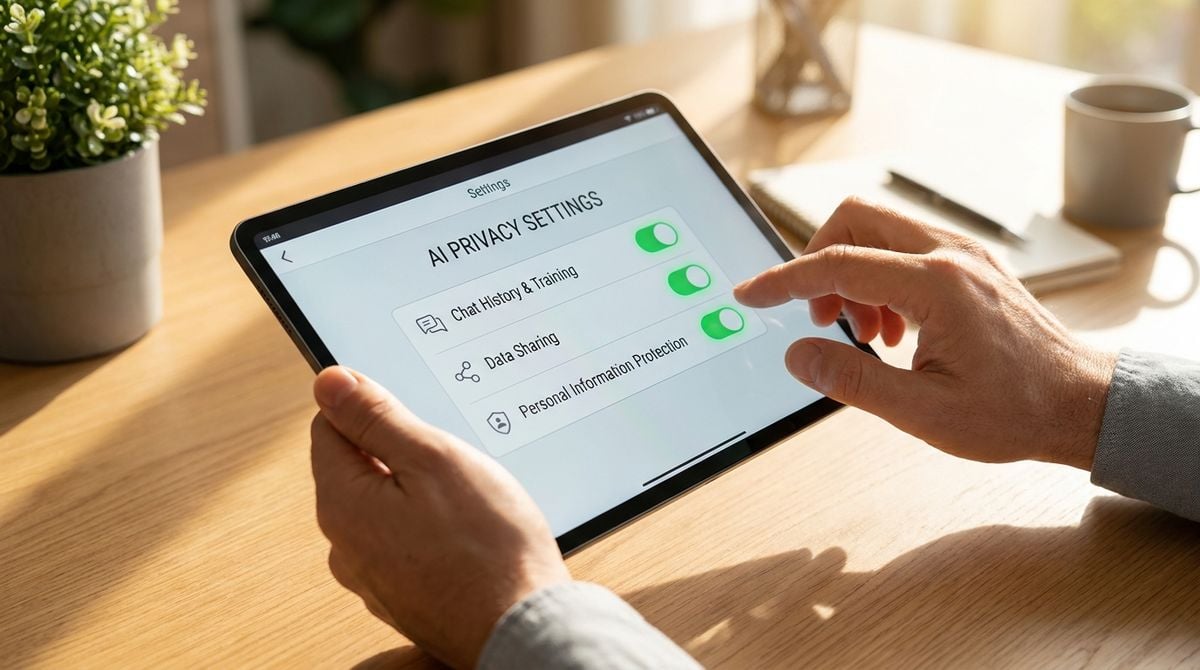
Health-related programs must respect individual privacy. Keep personal information out of group discussions and store any health data securely, if it is collected at all. Make participation voluntary, and make sure that choosing not to join carries no penalty. Avoid asking employees to share medical details to qualify for a program. Clear rules about privacy build trust, and trust makes it far more likely that people will engage honestly.
Deciding Whether to Expand
When the trial ends, decide whether to expand, adjust, or end the initiative. Expand it if participation is steady and the feedback shows clear value for the team. Adjust it if the idea helps but the schedule, location, or format needs refinement. End it if the feedback is weak and the attendance drops quickly. Record the decision and the reasons in a short summary for leadership. That summary helps the business learn from each trial rather than repeating the same guesswork.
Communication plays a central role in any health initiative. Describe the program in plain terms, explain who it is for, and say how participation works. Share updates through the channels that staff already use, such as the team board or the staff newsletter. Invite feedback in a form that people can complete in a minute or two. Thank volunteers publicly for their time, but never pressure anyone to speak about personal experiences. Clear and respectful messaging makes the trial feel like a benefit rather than an obligation. When staff understand the purpose, they are far more willing to take part honestly.
Records should be kept with care throughout the trial. Store attendance lists, feedback forms, and summary notes in a restricted folder with limited access. Remove any personal details before sharing results with leadership. Keep only the information needed to judge the initiative, and delete the rest according to company policy. Good record keeping shows respect for staff and reduces the risk of misunderstandings later.
Building a Culture of Careful Improvement
Health initiatives work best when they grow out of evidence and staff input. Each small trial reveals what people value and what they will realistically use. Over time, the business builds a set of programs that fit its people and its work. Patient, measured steps tend to create lasting change that feels fair to everyone involved.