




Ever notice that some legal words sound like a secret code? It can feel a bit like trying to build a house on shaky grounds. Without a solid base, nothing sticks. When you grasp these key legal terms (special words with specific meanings in law), following court arguments or reading legal papers gets a lot easier.
In this post, we break down common legal words in plain language so that the law feels less puzzling and more like everyday talk. With just a few basics under your belt, the whole subject becomes friendlier and easier to understand.
Core Legal Terminology Overview: Essential Terms Defined

Getting a good grip on these legal terms is like building a strong base before you head into any legal discussion. When you know these words, following a courtroom debate, reading legal documents, or chatting with a lawyer becomes a lot easier. Think of these terms as the keys that unlock everyday legal talk and academic readings, knowing them makes all the difference.
When you understand these definitions, you can start breaking down tough legal ideas into simple parts. Whether you're just beginning your legal studies, working in an office, or dealing with a legal matter personally, knowing these words makes a complicated subject feel friendlier and more accessible.
- Affidavit – a written statement made under oath that is true; if it's false, it can lead to perjury (lying under oath) charges and even up to five years in prison.
- Counsel – refers to legal advice or the lawyer giving that advice. In the U.S., you might also hear the term “counselor.”
- Litigation – the process of sorting out disputes in court. This term covers both civil lawsuits (disagreements between people or businesses) and criminal prosecutions.
- Plaintiff / Defendant – the plaintiff is the person who starts a lawsuit, and the defendant is the one who responds to the claim.
- Grand Jury – a group of 16 to 23 citizens who review evidence to decide whether criminal charges should be filed. They usually serve for a period between one month and a year.
- Habeas Corpus – a legal order that requires those holding someone in custody to show a valid reason for the detention.
- Standard of Proof – the level of evidence needed in a trial. It ranges from a simple majority, like a preponderance of evidence, to a clear and convincing standard, and in criminal cases, it’s beyond a reasonable doubt (meaning there’s no other logical explanation).
- Pro Se – when a person chooses to represent themselves in court without a lawyer.
- Testimony – a sworn, spoken statement given in court that helps establish the facts of a case.
- Verdict – the final decision made by a jury about guilt or liability. This decision is binding unless it’s successfully challenged on appeal.
- Warrant – a court order that lets law enforcement arrest someone or search a place. If evidence is collected without the correct warrant, it might not be allowed in court.
- Writ – a court order that directs someone to do something or not to do something, like with a writ of habeas corpus.
Knowing these terms not only helps in your studies but also empowers you to engage more confidently in legal discussions. It turns a once-daunting field into something more manageable, one piece at a time.
Categorizing Essential Legal Terminology by Practice Area

When you dive into legal language, you'll see that each field, like civil or criminal law, uses its own unique words that can change how you build a case or understand a situation. Knowing which term fits into which area is like having the perfect tool in your toolbox. It helps lawyers, law students, and even secretaries pick the right meaning when making real-life decisions.
In areas like civil and contract law, everyday words take on special meanings. For example, abandonment means giving up a legal right, and capacity shows whether someone is legally able to act (their ability to make decisions). Think about damages, which are sums of money, sometimes around $8,000, that a court awards to cover a loss. In contract law, earnest money is like a deposit for a home that shows a buyer's promise, while a breach of contract happens when someone doesn’t keep their promises. And with a merger clause, the contract says that the written deal is the whole story, which stops any confusion later on. These words help everyone understand the clear commitments made in legal agreements.
In criminal law, estate planning, and tort law, the language gets a bit tougher, but it still tells an important story. A plea bargain is used when a defendant agrees to a smaller charge instead of going to trial. Similarly, "aiding and abetting" means helping someone commit a crime. The term strict liability explains that someone can be held responsible without a need to prove carelessness. In tort law, awards for pain and suffering, sometimes as high as $50,000, show how the law acknowledges past hurt. And in estate planning, words like executor, which means the person who manages a will, or the natural-death act, a law guiding how life support is handled, make sure everyone knows exactly what to do in sensitive situations.
Courtroom Vocabulary: Additional Terms
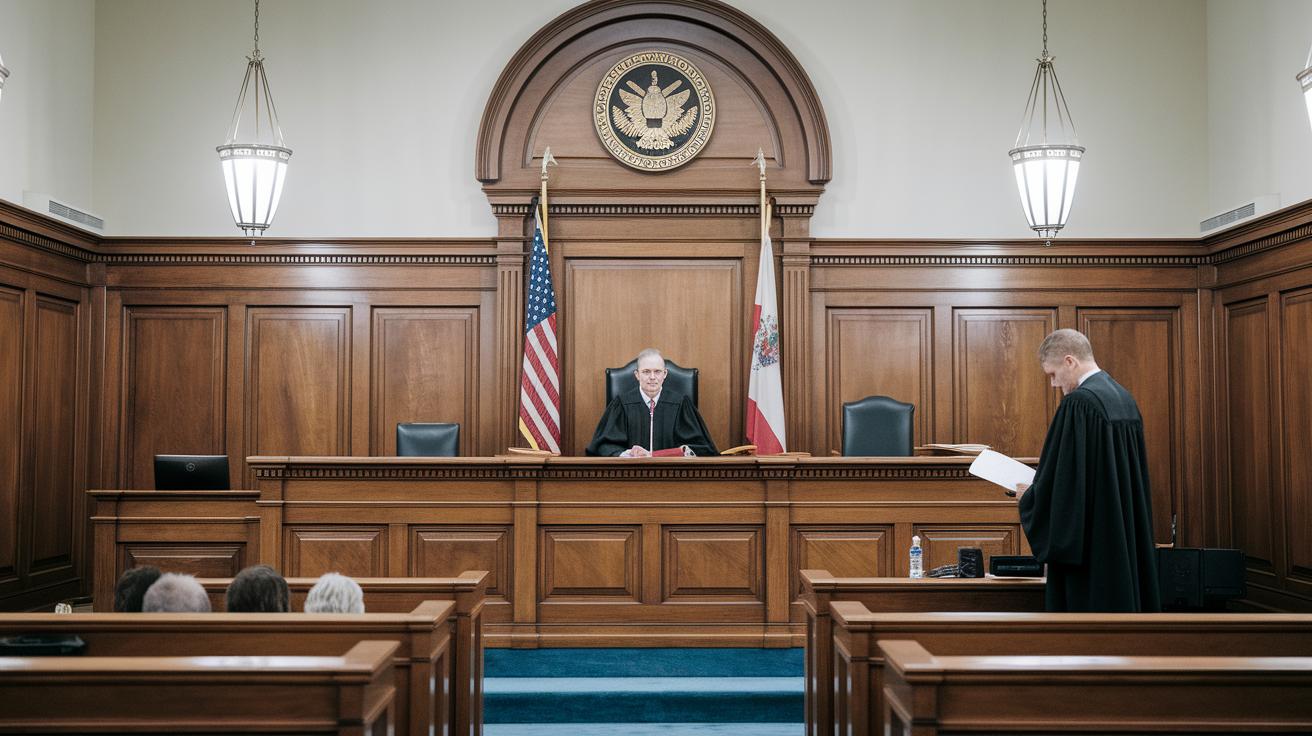
In the courtroom, clear words matter so everyone knows what’s happening. We already cover key terms like grand jury, testimony, and verdict, and now we're adding a few more to help build a solid understanding.
| Term | Definition | Example |
|---|---|---|
| Deposition | Sworn out-of-court witness testimony | Used to secure a witness’s account before trial |
| Gag Order | Judge’s directive restricting public commentary | Limits what parties may say to media during litigation |
These extra terms help make sure everyone in the courtroom understands the process and can follow along step by step.
Statutory Language Simplified: Essential Legal Terminology Explained

Legal language can seem like a tangled web of words that are hard to read. When you come across documents filled with specialized terms, it can feel overwhelming. But breaking these words down into everyday language can help anyone, from law students to contract professionals, better understand their rights and duties.
Let's look at five easy-to-understand examples. First, a merger clause shows that the written contract is the whole agreement. Think of it like saying, "This paper is it." Next, a unilateral mistake occurs when one side makes an error that might alter the deal, like misunderstanding an important detail when signing. Then there’s a waiver, where someone voluntarily gives up a legal right, kind of like deciding not to fuss over a minor issue to keep things moving. Quid pro quo means that each side gives something of similar value, much like swapping equal services or goods. Lastly, a natural-death act lets people specify their wishes for life-support treatments in advance, making sure their healthcare instructions are clear.
Remember, when trying to understand legal language, break each term down with simple explanations and real-life examples. Look at the context in the document and compare it with similar cases. This way, those tricky phrases become small pieces of a puzzle that you can fit together to make smarter decisions and better legal communication.
Contract and Document Drafting: Essential Legal Terminology in Practice

Precision is the core of good legal drafting. Every word matters because a small error can change the meaning of a contract during a dispute. Each clause should be written clearly so there’s little room for guessing. For example, a merger clause should state that the written agreement tells the whole story of the parties’ deal.
Breaking down contract terms makes it easier for everyone to understand the document. The merger clause, for instance, explains that previous talks aren’t part of the final agreement. In real estate, earnest money works like a security deposit, showing that a buyer is serious, kind of like putting money down to secure a sale. And when money alone isn’t enough, specific performance (a court order to complete the deal) can help ensure the contract is followed. For more guidance, you might want to check out the resource titled “Legal Provision Meaning” at https://humane.net?p=6640.
Using plain language when drafting documents is the best practice. Technical terms such as waiver and unilateral mistake (a one-sided error without mutual agreement) should be explained in everyday words. This approach stops confusion and makes sure everyone knows their responsibilities.
It’s important to steer clear of common drafting pitfalls. Overly complex language can lead to unclear and confusing provisions. By keeping sentences short and ideas simple, you build strong, easy-to-understand contracts that help prevent disputes later on.
Mastering Essential Legal Terminology: Tips and Resources

Try using flashcards and spaced repetition apps to lock in important legal words. These tools break down hard language into little bits that are easy to remember. For example, you might write, "Testimony: a sworn statement in court" on a card and review it every day until it sticks.
Next, look at real cases and statutes to see how these words work in practice. Reading court decisions or statutes shows you how terms like verdict (the decision in a trial) or affidavit (a written statement made under oath) are used. Plus, trusted glossaries and plain-language style manuals turn tricky legal lingo into everyday words that are easier to understand.
Here are four resources to add to your study routine:
| Resource | Description |
|---|---|
| Flashcards | Helps you review and remember terms |
| Spaced-Repetition Apps | Keeps your learning on track with regular review |
| Legal Glossaries | Simplifies difficult legal language |
| Peer Study Groups | Offers a chance for discussion and Q&A |
Mixing hands-on practice with these study tools lets you build your legal vocabulary gradually. Making these methods part of your daily routine can boost your academic progress and help you understand the law better.
Final Words
In the action, this article broke down key legal terms and practical examples to clarify essential legal terminology explained within each section. It covered core definitions, practice area breakdowns, courtroom vocabulary, statutory language, and document drafting tips. Each step showed how clear examples can make legal language easier to grasp. This solid foundation not only boosts your academic study but also empowers you to discuss legal trends and apply these insights with confidence every day.
FAQ
Q: What are common legal words used in court?
A: Common legal words used in court include terms like plaintiff, defendant, affidavit, and verdict. These words help explain the roles and decisions in a trial and are often listed in comprehensive legal resources.
Q: What is a legal terminology PDF?
A: A legal terminology PDF is a document that defines legal jargon and common court terms. It serves as a quick reference for students and professionals who need clear explanations of legal language.
Q: What are some basic legal terms and phrases?
A: Some basic legal terms and phrases include counsel, litigation, deposition, and warrant. These terms outline essential legal processes and are fundamental for anyone looking to understand law and justice.
Q: What does an essential term mean in law?
A: In law, an essential term refers to a key clause or condition that clearly defines the obligations or rights in an agreement. Mastering these terms is critical for accurate legal interpretation.
Q: What are common phrases lawyers say?
A: Common phrases lawyers say include expressions such as “objection, your honor” and discussions about depositions and testimonies. These phrases facilitate clear communication during legal proceedings.