




Have you ever wondered how a single court ruling can change everyday life? Lately, the Supreme Court has tackled big issues like keeping workers safe, making sure the government fixes its mistakes (errors made during investigations), and protecting the rights of children with disabilities.
One decision helped over 1,400 education workers feel secure in their jobs by strengthening workplace safety. Meanwhile, another ruling asked a tough question: how should the government answer when it makes mistakes? These decisions show that our legal system is not just about rules, it is here to protect people and clear up confusion during hard times.
Next, let's take a closer look at how these changes might affect workers, families, and our communities.
Comprehensive Overview of Recent Supreme Court Rulings
One important case involves an order to reinstate roughly 1,400 Department of Education workers. States, local school districts, and teachers’ unions joined forces to keep the lower court’s decision in place. The heart of the matter is whether the agency stayed within its limits. Right away, we can expect changes in federal job policies and better rules to protect workers from being let go quickly. Think of it like this: a group of hardworking public employees suddenly feeling secure about keeping their jobs.
In another decision, the Court gave the green light to a family’s lawsuit after an FBI raid hit the wrong home by mistake. This ruling flips an earlier appeals court decision that had stopped claims for damages under the Federal Tort Claims Act (a law that lets people get money when the government makes errors). Now, there’s a clearer path for holding the government responsible when things go wrong.
Another ruling looked at discrimination under the IDEA (Individuals with Disabilities Education Act, a law ensuring special education for children with disabilities) and was agreed upon by all justices. The decision means that kids with disabilities don’t have to show that someone meant to discriminate against them in order to get damages. Still, opinions that agreed with the main view also pointed out that there is more to discuss about the correct standards. This change is closely watched by both families and school districts as it might open the door to more claims under special-education law.
Finally, the Court denied a Texas inmate’s request (his “second or successive” petition, which means a follow-up appeal using new evidence) for reopening his case. Justice Ketanji Brown Jackson wrote the decision, and all the justices agreed. The ruling explains the strict rules for filing such petitions under federal law and makes it harder to challenge old convictions. This change will likely influence how future legal teams plan for post-conviction relief.
In-Depth Analysis of 2024 Supreme Court Decisions
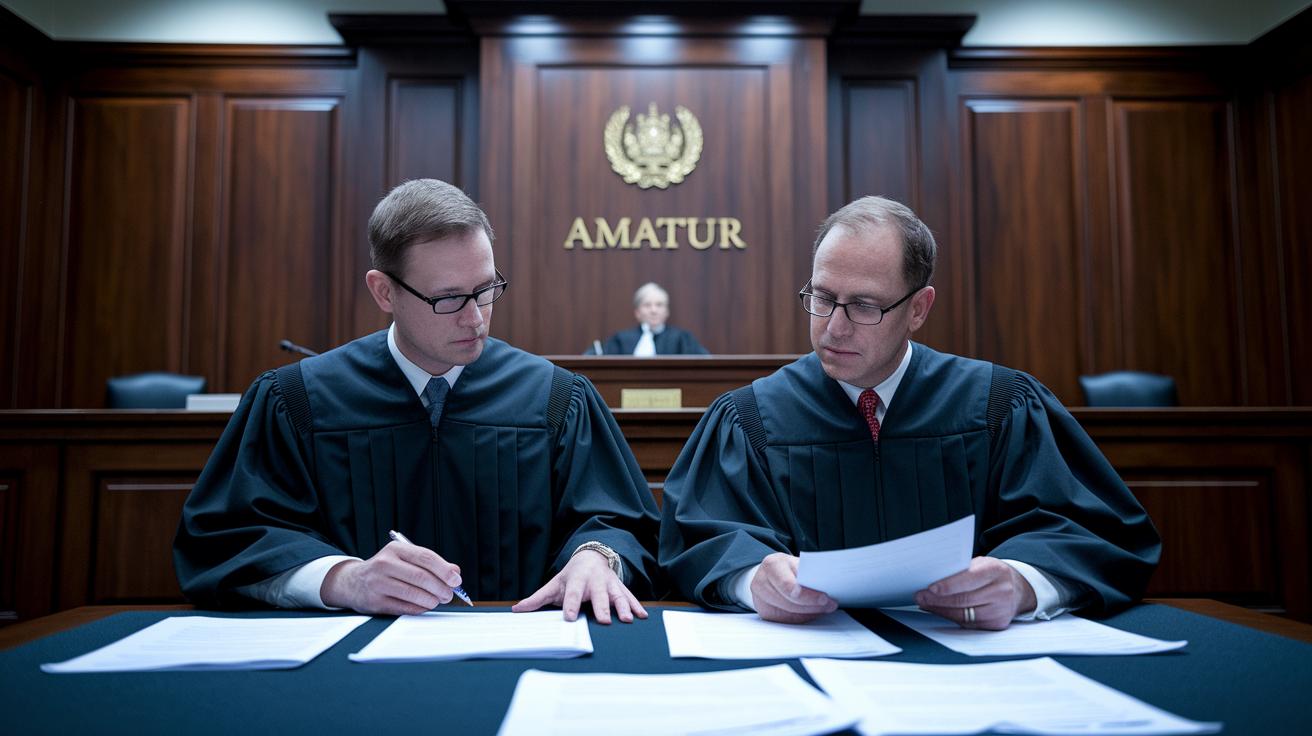
In one case involving the Department of Education, the Supreme Court took another look at a lower court’s order that stopped the firing of about 1,400 employees. The Court wondered if the agency went too far, sparking a closer look at federal job procedures. Think of it like a company reworking its internal policies after a reminder to follow proper steps.
In another case, the Court examined an FBI raid that hit the wrong house. This decision focused on the limits of the Federal Tort Claims Act’s waiver of sovereign immunity (a rule that normally protects the government from lawsuits). The ruling not only sets clearer standards for government accountability but also points to how future cases might handle mistakes during searches.
The ruling on IDEA discrimination changed the game by shifting the focus from proving an intent to showing negligence by school districts. This new approach may encourage more families to question weak education support and invite experts to weigh in on its effects for special-education claims.
Lastly, in a decision about successive petitions, the Court clarified what is needed under 28 U.S.C. § 2244(b) when new evidence is brought up against old convictions. This clear framework is likely to influence how legal professionals approach similar evidence challenges in state cases.
Voting Breakdown and Opinions in Recent SCOTUS Rulings
In the disability discrimination case, the judges all agreed with a 9–0 vote. Justices X and Y shared extra thoughts suggesting we need a stronger proof standard (in other words, a clearer way to show evidence). It’s like all the judges were on the same page, with a couple offering an extra nudge of insight.
In the inmate petition denial, the decision was also 9–0 with no one writing a separate opinion. Think of it as a unanimous voice where every judge delivered the same clear message.
For the Department of Education reinstatement order, the exact vote count wasn’t shared, but all the judges lined up on the main steps of the case. It’s a firm decision made behind the scenes, where everyone agreed even though the details weren’t made public.
In the FBI raid case, the ruling came out at 6–3. The three judges who disagreed focused on how to interpret the Federal Tort Claims Act’s waiver of sovereign immunity (this means a legal rule that normally protects the government from being sued). It’s like most of the judges were in agreement while a few raised key questions about government accountability.
Effects of Court Decisions on Government Liability and Civil Rights

Recent court decisions now force government agencies to follow careful steps when letting employees go, which means fewer snap choices by leaders. A new look at the FTCA waiver (a rule that usually stops lawsuits against the government) now lets folks ask for compensation when government mistakes occur.
The updated IDEA rules make it easier for families to prove discrimination in schools that don’t protect their children well. Plus, clearer rules for filing repeated petitions now stop old convictions from being reopened, which could change how challenges like habeas corpus (a legal request to review detention) and post-conviction relief are handled.
Imagine a federal agency that now double-checks every firing decision. This change strengthens both government responsibility and the protection of civil rights.
Accessing Full Supreme Court Opinions and Court Materials
The U.S. Supreme Court Center gives you free access to texts of decisions dating back to 1791. It’s like an open digital library where you can read opinions, examine briefs, and even listen to oral argument audio. Whether you’re a law student or a seasoned lawyer, this resource helps you follow the story of how laws have changed over time.
The Supreme Court website also posts early versions of opinions and orders on decision days, usually by mid-afternoon ET. So if you’re tracking the latest legal developments, you can see fresh rulings almost right away.
Here’s how to get started:
- Visit the U.S. Supreme Court Center for both historical and current texts.
- Check the official website on decision days for live updates.
- Look into third-party searchable archives that offer extra details like annotated rulings and recorded oral arguments.
These tools let you dig deeper into legal analysis by giving you direct access to complete court materials and clear insights into the Court’s reasoning.
Final Words
In the action, we broke down landmark decisions that reveal how each forcefully impacts legal policy and practice. We traced the path from detailed analyses of rulings to understanding judicial splits and the broader effects on government accountability and civil rights. Step by step, we unpacked the legal reasoning and its practical consequences. This recap of recent supreme court rulings leaves us ready to apply these insights and discuss legal trends with clarity and confidence. Stay informed and keep building on these insights.
FAQ
What is today’s major Supreme Court decision and what are the latest rulings this week?
Today’s major decision and recent rulings signal significant changes in legal standards. They cover issues from education to government accountability, drawing close attention from legal experts and impacting future policies.
Which justices voted against today’s Supreme Court ruling?
Today’s ruling was passed with a strong majority. Details on dissenting votes are released with the decision, highlighting specific concerns raised by the minority regarding the legal reasoning.
Where can I view a list of Supreme Court cases and full Scotus decisions?
You can view Supreme Court case lists and access full decisions on the official Supreme Court website, as well as on platforms like Oyez and Justia, which offer detailed case histories and recordings.
What decision did the Supreme Court make about TikTok?
The Supreme Court decision on TikTok addressed legal challenges and national security concerns, offering clarity on regulatory impacts and outlining the framework for the app’s future operations in the legal system.
What was the most infamous Supreme Court decision?
An often-cited infamous decision is Brown v. Board of Education, which dramatically changed U.S. law by ending state-sanctioned segregation and exemplifying the Court’s profound social influence.
Who is the most recent addition to the Supreme Court?
The latest appointee to the Supreme Court is officially announced through formal judicial channels, with detailed background information provided to highlight their expected role in upcoming legal decisions.