




Have you ever thought about why there are nine justices on the Supreme Court? These nine individuals work together, step by step, to make big decisions, and they quickly break any tie votes.
This setup didn’t just happen overnight. It evolved over many years as laws and policies changed, each step aimed at fairness and clear rules in our courts.
In this piece, we explore why having nine justices matters and how each one plays a key role in protecting the Constitution.
How Many Justices Are on the U.S. Supreme Court Today
Right now, the Supreme Court has nine justices. One of them is the Chief Justice, kind of like a team captain, while the other eight are Associate Justices. This setup has been the norm since the Judiciary Act of 1869.
The U.S. Constitution gives the federal courts their power, but it lets Congress decide how many justices should serve. Ever notice how having an odd number of members stops any tie votes? This means there's always a clear decision, which is really important when big issues are on the line.
Each justice plays a key role in protecting the Constitution and ensuring fairness in every case. It's like building a case step by step, with every justice adding a unique perspective. For over 150 years, this structure has helped shape landmark decisions that continue to influence American law.
Constitutional Authority and Historical Evolution of Supreme Court Size
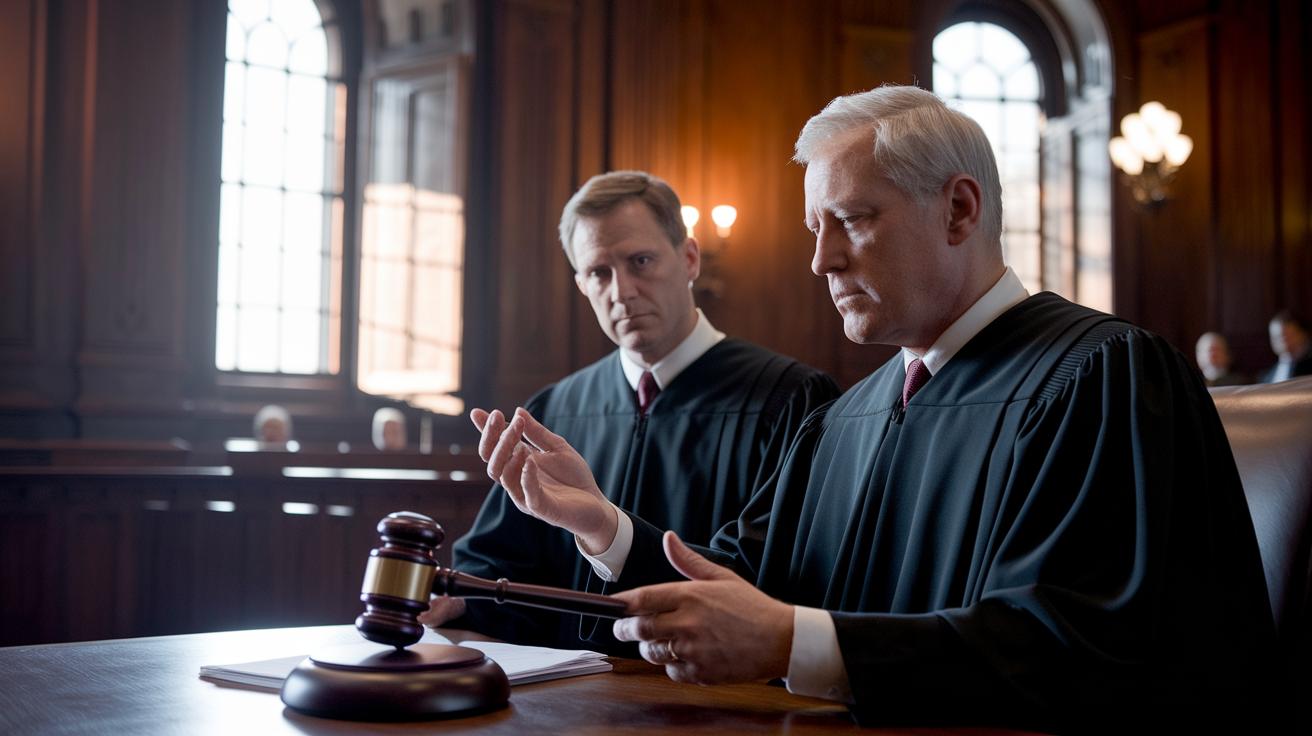
Article III set up the Supreme Court but didn’t say how many judges would serve. Instead, Congress got the power to decide, and over time, they have changed the number of justices. At first, the Judiciary Act of 1789 created a bench of six, one Chief Justice and five Associate Justices. In 1807, Congress bumped the number up to seven. By 1837, as legal challenges grew and more voices were needed, the Court expanded to nine justices. Then, in 1863, during a time of big national changes, Congress increased it to ten.
Soon after, the Judiciary Act of 1869 brought the Court back to nine justices, which is the setup we have today. Think of it like rearranging a puzzle until every piece fits just right. Congress’s power to choose the number of judges shows just how flexible our legal system is. Each change in the Court’s makeup reflected new priorities and a careful effort to balance different legal views with solid decision-making.
These shifts remind us how law and politics work together to shape such an important part of our government. The way the Court’s size has evolved tells a clear story of America’s adaptive approach to its judicial system, a blend of legal tradition and modern ideas.
Appointment Process and Lifetime Tenure of Supreme Court Justices
The President selects potential candidates for the Supreme Court, and the Senate then closely examines each nominee. After a series of hearings and debates, the Senate votes on whether to confirm the appointment. Once approved, justices serve for life, meaning they hold their positions as long as they maintain proper conduct. In simple terms, a justice keeps their seat until they decide to retire, pass away, or are removed through impeachment (a process where the House accuses and the Senate holds a trial).
Just like the Associate Justices, the Chief Justice receives a lifetime appointment but also takes on extra tasks to help manage the Court’s work. Think of it as being on a team where one person not only plays the game but also directs it, offering guidance when things get complicated. It’s a bit like having a lifelong mentor who’s always ready with wisdom and steady leadership.
This lifetime tenure is designed to protect the judiciary from political pressures, kind of a safe space away from the ups and downs of election cycles or shifts in government. By serving for life, justices can focus solely on legal merits and remain committed to upholding the law without interference from political trends.
Current Justices of the U.S. Supreme Court: Overview and Ideology
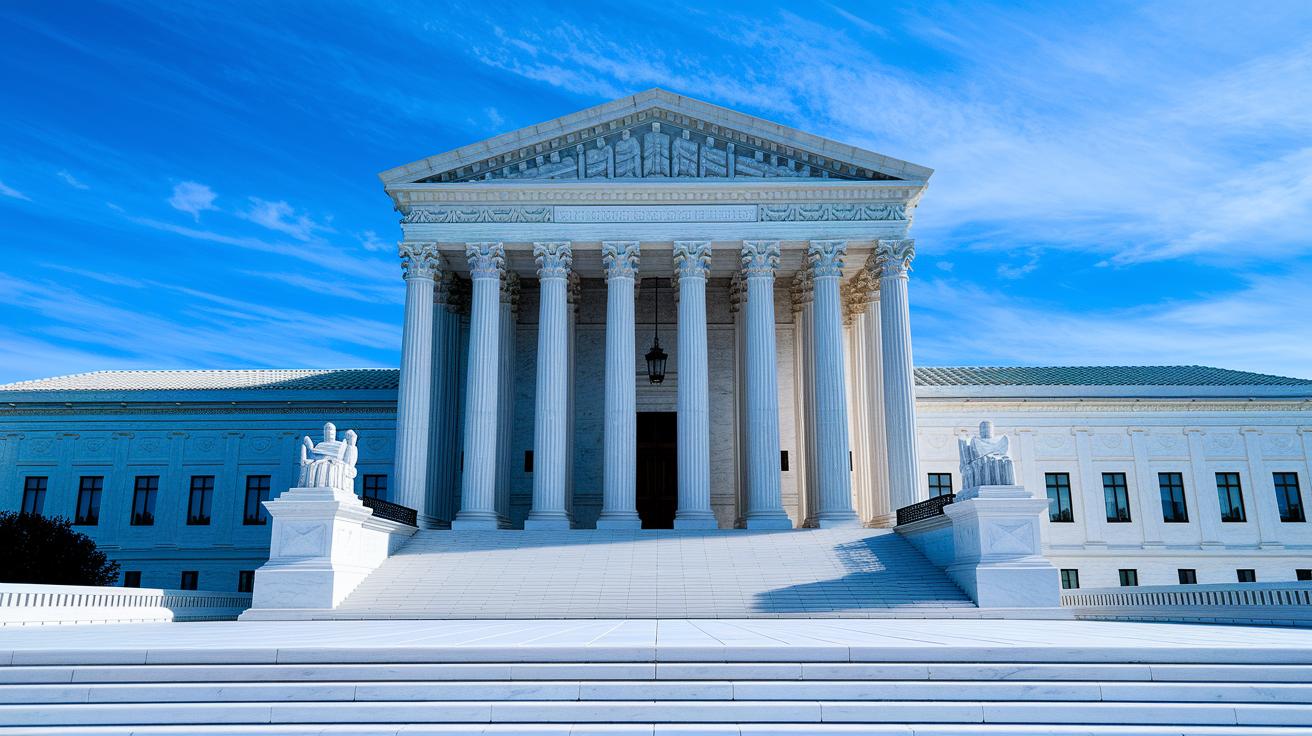
• Chief Justice John G. Roberts, Jr. – Appointed in 2005 by President George W. Bush
• Associate Justice Clarence Thomas – Appointed in 1991 by President George H. W. Bush
• Associate Justice Stephen Breyer – Appointed in 1994 by President Bill Clinton
• Associate Justice Samuel A. Alito, Jr. – Appointed in 2006 by President George W. Bush
• Associate Justice Sonia Sotomayor – Appointed in 2009 by President Barack Obama
• Associate Justice Elena Kagan – Appointed in 2010 by President Barack Obama
• Associate Justice Neil Gorsuch – Appointed in 2017 by President Donald Trump
• Associate Justice Brett Kavanaugh – Appointed in 2018 by President Donald Trump
• Associate Justice Amy Coney Barrett – Appointed in 2020 by President Donald Trump
Right now, the Court shows a clear split in its approach. Six of the nine justices lean conservative while three tend to be more liberal. Because of this mix, many decisions tend to reflect a conservative majority. This balance plays a big role in guiding outcomes on key legal and social issues, showing how long-lasting appointments can create a stable yet lively legal scene where debates about judicial philosophy are always on the table.
Every justice brings a unique set of experiences and viewpoints. Their backgrounds, the president who appointed them, and their personal take on the law all mix together when they write opinions, whether they agree with most of their colleagues or sometimes take a different stance. In many ways, it’s like assembling a puzzle where every piece has its place, helping the Court keep its role as a foundational part of our legal system.
Significance of the Nine-Justice Configuration on U.S. Jurisprudence
We’ve woven this discussion into two key sections: one exploring the current makeup of the U.S. Supreme Court, and another delving into how the Constitution and history have shaped its size. This overlap helps show how our legal system evolves over time, piece by piece, much like assembling a puzzle.
Final Words
In the action, we walked through how many justice in us supreme court details that shape the Court today. We broke down the evolution from a six-member panel to the current nine, covering the statutory shifts and appointment process that give life to this bench. We also examined how the nine-justice setup helps secure clear majority decisions while balancing diverse viewpoints. It's encouraging to see how history and practice have worked together to create a system that serves justice reliably and fairly.
FAQ
Who are the current Supreme Court justices?
The current Supreme Court justices include Chief Justice John G. Roberts Jr. and Associate Justices Clarence Thomas, Stephen Breyer, Samuel A. Alito Jr., Sonia Sotomayor, Elena Kagan, Neil Gorsuch, Brett Kavanaugh, and Amy Coney Barrett, each appointed by different presidents.
Who is the current Chief Justice of the Supreme Court?
The current Chief Justice is John G. Roberts Jr., who leads the court and guides its proceedings, having been nominated by President George W. Bush.
How many Democrats and Republicans are on the Supreme Court?
The court generally reflects ideological leanings with three liberal justices and six conservative justices, a balance that mirrors the party lines of their nominating presidents.
Are there nine or twelve Supreme Court justices?
The Supreme Court has comprised nine justices since the Judiciary Act of 1869; although discussions about expansion come up, the established law maintains a nine-member bench.
Can the President fire a Supreme Court judge?
The President cannot fire a Supreme Court justice because they serve during good behaviour (a term meaning lifetime tenure) and can only be removed through impeachment by Congress.
Who controls the US Supreme Court?
The Supreme Court operates independently under established law, with control resting in the collective decisions of its lifetime-appointed justices rather than with the President or any single branch of government.
When did the Supreme Court change from six to nine justices?
The change from six to nine justices occurred gradually through congressional acts, with the key adjustment coming in 1869 when the Judiciary Act fixed the number at nine.