




Ever wonder how age-old laws still affect our punishments today? In ancient times, laws like Hammurabi's meant that wrongdoers faced harsh, public penalties. These strict punishments shocked everyone and eventually led people to ask for fairness. Over the years, changing public opinions and smarter ideas turned the way we handle crime on its head. This journey through the evolution of criminal justice shows how each era has added its own touch, pushing us toward a fairer system. In short, the ways of the past laid the groundwork for the legal system we know today.
Criminal Justice Reforms: A Chronological Overview
Criminal justice changes have come a long way. In the very early days, laws like the Code of Hammurabi and Roman rules focused on simple, tough penalties. Imagine this: In ancient Mesopotamia, punishments were public events so everyone could see the cost of a crime. This clear focus on visible payback set the stage for later reforms that aimed to be fairer and more thoughtful.
Over time, big shifts in public opinion, protests, and new ideas from smart people helped change how crimes were punished. At one point, people started to question old, harsh methods and pushed for a variety of penalties that better matched the offense. This move from one strict punishment to several different options shows how our ideas about fairness and responsibility have grown.
In this article, we take you on a step-by-step journey from ancient punishment methods to medieval changes, colonial influences, and the Enlightenment’s push for sensible rules. Each period brought new ways of thinking about crime and punishment, much like different chapters in a long story. It’s a timeline where each era leaves its own mark, showing us how the past shapes the laws we live by today.
Criminal Justice Reforms in Ancient Criminal Codes and Origins of Punitive Systems
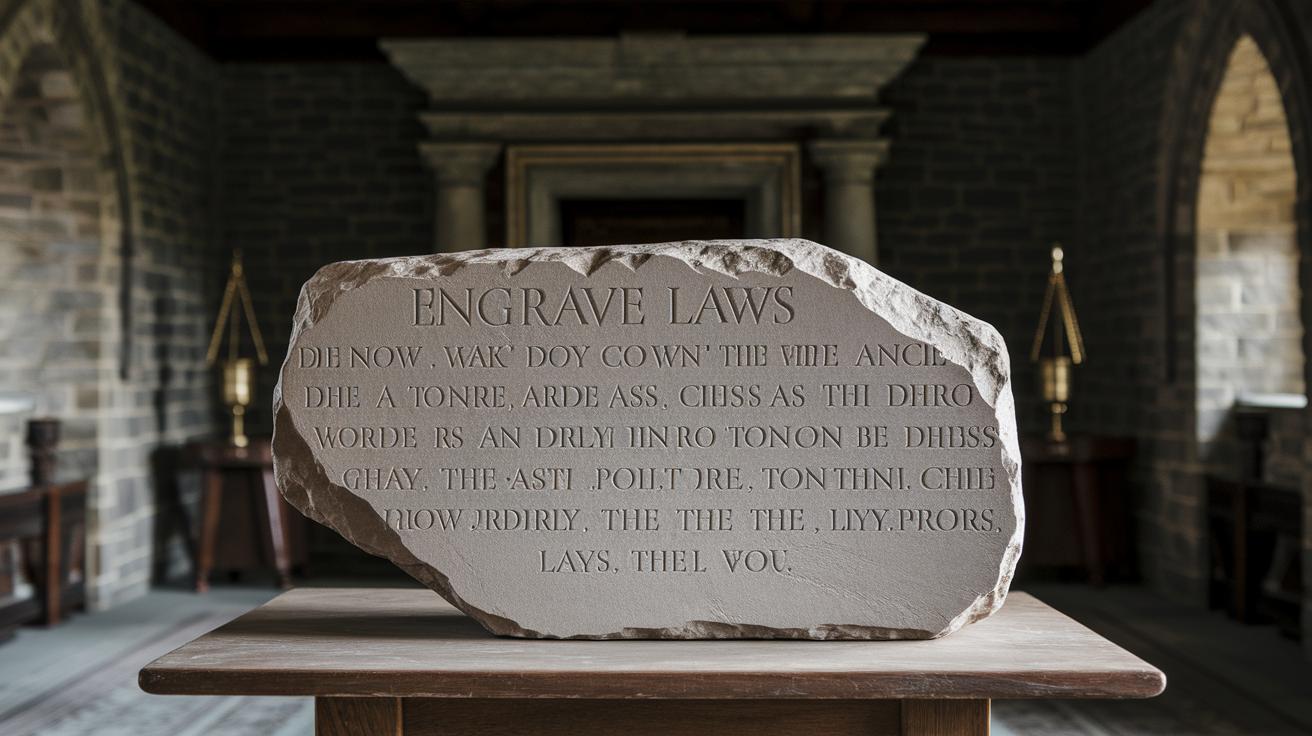
Old legal codes did more than just punish people; they showed how a society thought and what it valued. Take the Code of Hammurabi (around 1754 BCE): it was carved in stone to list rules and capture the cultural spirit of its time. In places like Mesopotamia, Egypt, and Greece, public punishments served as clear lessons about social duty. Imagine a law etched on a monument, a daily reminder that every rule played a part in teaching fairness.
Roman ideas, such as Lex Talionis (an ancient rule meaning "an eye for an eye"), helped shape a new view of justice where a penalty matched the wrong committed. These early approaches weren’t just about seeking revenge; they built a foundation for a fairer legal system. Picture it like assembling a puzzle, each law was a piece that helped society balance punishment with shared values.
Criminal Justice Reforms during Medieval Judicial Transformations
Back in medieval times, big changes reshaped how laws were enforced and disputes were sorted out. The Magna Carta of 1215, for example, limited kingly power and made it clear that even rulers had to follow the law. Courts run by the crown and the church soon took center stage, pushing fairness and accountability into the spotlight. Early jury trials even started during this era, giving ordinary people a voice in how justice was served.
These reforms also led to more uniform trial procedures and a more centralized justice system. Legal professionals began to see how blending royal authority with church rules could create fairer, more systematic proceedings. In simple terms, society began shifting from random, arbitrary decisions to clear, regulated processes, a change that still echoes in our legal systems today.
| Reform | Date | Impact |
|---|---|---|
| Magna Carta | 1215 | Limited monarchical power |
| Fourth Lateran Council | 1215 | Standardized trial procedures |
| Emergence of Royal Courts | 13th Century | Centralized justice |
For more on this fascinating chapter of legal history, check out legal history.
Criminal Justice Reforms in Colonial Legal Transformations and Retributive Models

Back during the colonial era, British and European leaders took their well-known legal rules and set them up overseas. They shipped practices like public stocks, branding, and transportation over to colonies in North America and Australia. Officials thought that making punishment public would give a clear warning about breaking the law and help keep order.
Public sentencing was a big deal then, it wasn’t just about punishment, it was also a show for everyone. Offenders had to face stocks or branding so the punishment was obvious and unforgettable. This way, the community saw firsthand the risks of defying the law, making justice a visual lesson everyone could learn from.
Today, we can still see hints of these old practices. Modern courts and community programs sometimes reflect those early methods of holding people accountable. Over time, the idea of public punishment has changed into systems that mix accountability with a chance to improve. Looking at these shifts gives us a clearer picture of how old traditions continue to shape today’s criminal justice system.
Criminal Justice Reforms in the Enlightenment Era: From Retribution to Rehabilitation
Back in the mid-1700s, brilliant minds like Cesare Beccaria (the author of On Crimes and Punishments in 1764) and Jeremy Bentham, who believed in ideas about utilitarianism (a way to decide what works best for everyone), began to reshape how we think about crime and punishment. They argued that punishments should be clear, fair, and measured to stop more harm, moving us away from cruel practices such as torture. They also suggested that instead of harsh physical penalties, society could create prisons where offenders serve time under conditions that might help them change for the better. This shift helped build a justice system that values fairness and logical thinking.
- Punishments should match the crime.
- The focus moved from getting even to preventing future offenses.
- Offenders deserve kind and humane treatment.
- Written laws can guide fair punishment.
- Penalties should meet moral and social standards.
These groundbreaking ideas eventually gave rise to a system that sees punishment as a chance to rebuild rather than just a way to get back at someone. By treating punishment as an opportunity for recovery, reformers recognized that every person could learn from their mistakes and work to improve their lives.
19th-Century Criminal Justice Reforms: Correctional Philosophy Shifts and Prison Reform Timelines

In the 19th century, separate confinement and labor started to shape how prisons worked. The Auburn and Pennsylvania systems set up daily schedules where inmates worked under strict silence and careful rules. For example, the Elmira Reformatory, opened in 1876, isolated prisoners to give them time to reflect and steer clear of bad habits. Imagine a day when every inmate spent hours working hard in enforced quiet, a process aimed at building character through clear structure.
At the same time, ideas about helping offenders began to change. Instead of using harsh isolation and grueling labor as the only punishments, many started to see that people could change. This new approach even led to the idea of probation, where a judge gives an offender a controlled chance to get back into society instead of a long prison sentence. Ever notice how one small chance can make a big difference? This shift set the stage for more caring and thoughtful methods of dealing with crimes.
1960s-1970s Criminal Justice Reforms: Systemic Policy Progression and Landmark Judicial Shifts
In the 1960s and 1970s, major changes reshaped how we handle corrections in our criminal justice system. Activists, government experts, and judges all worked together to challenge old ways and push for fairness and clear rules. They focused on improving police work, juvenile justice, and how correctional facilities manage discipline. New policies and thorough reviews replaced a system that was once shrouded in secrecy.
Presidential Commission of 1965
Back in 1965, a Presidential Commission was set up to take a hard look at juvenile justice and corrections. Its report, published in 1967, called for clear, written standards so that both young offenders and adults could expect fair treatment. This led to police forces rethinking their methods while correctional practices were improved across the board. In simple terms, the commission helped build rules that started to restore trust in a system once seen as unpredictable.
Attica Prison Riot and Subsequent Litigation
In 1971, the Attica Prison Riot marked a turning point. Inmates protested harsh conditions by taking drastic action, which led to a wave of court cases. Judges stepped in with orders for prison officials to fix long-standing problems. This moment sparked a heated public discussion on finding the right balance between safety and the basic rights of those in prison.
Connecticut’s “Hands Off Doctrine” Reforms
In April 1972, Connecticut Commissioner John R. Manson broke away from the old “hands off doctrine” by setting up an external council to gather confidential feedback from inmates. This fresh approach allowed the system to listen directly to those impacted, leading to changes like early work release programs, furloughs, and adjustments to meet UN Minimum Standards (international rules to protect detainees). This bold move opened the door to more thoughtful and humane policies.
All in all, these reforms not only improved conditions behind bars but also sparked a lasting conversation about accountability and the need for respectful treatment in our justice system.
Late 20th-Century Criminal Justice Reforms: Forensic Advancements and Modern Penal Strategies
Back in the late 1900s, our criminal justice system began to change thanks to new technology and shifts in policy. DNA profiling, a tool that matches a suspect's unique biological markers, started making investigations more precise and reliable. Electronic monitoring quickly became a go-to method, allowing authorities to keep a careful eye on offenders even when they weren’t locked up. Meanwhile, big legislative moves also reshaped the scene. For example, in 1994, the repeal of Pell Grants abruptly shut down many inmate education programs, and just two years later, the Prison Litigation Reform Act made it tougher for courts to oversee prison conditions. These changes reversed some of the human-rights improvements seen during the 1970s, leading to overcrowded facilities and less strict supervision.
- DNA profiling boosted the clarity of each case.
- Electronic monitoring helped make offender reintegration smoother.
- Cutting off Pell Grants led to fewer chances for inmates to rehabilitate.
- The Prison Litigation Reform Act limited how much judges could review prison life.
Today, these tech breakthroughs and new penal strategies work side by side to create a system built on scientific precision and clear oversight. They continue to spark lively debates about fairness, how well the system works, and preserving human dignity as communities and courts work hard to find the right balance between keeping us safe and giving people a real chance to turn things around.
Contemporary Criminal Justice Reforms: Correctional Frameworks and Future Paradigms
Today's reforms focus on giving punishments that are just enough to match the offense. This way of thinking echoes Rev. Dr. Martin Luther King Jr.'s belief in treating people with respect and care. Courts and officials are moving away from a one-size-fits-all approach. Instead, they offer options like diversion programs (which help offenders avoid jail time), restorative justice (where victims and offenders work together to heal harm), and work release. For instance, someone who commits a non-violent act might do community service instead of spending a long time in prison. This shift builds trust in a system that values fair and balanced responses.
Modern correctional systems are also turning to technology for oversight. Digital tools like electronic check-ins and data analysis help track how offenders are doing and show if penalties are effective. These innovations bring more transparency and let officials make quick adjustments when needed. Real-time information helps shape strategies that meet future challenges head-on. To learn more, check out criminal legal news.
Looking ahead, meaningful reform will blend new ideas with strong community involvement. One of the oldest prison charities, which works independently of the government, stands behind transparency and local solutions. Future research could look at:
- The long-term impact of diversion programs
- How restorative justice can reduce repeat offenses
- New models for community-based supervision of offenders
All these steps, along with ongoing conversations between legal experts and community leaders, aim to cut crime, boost public safety, and reduce jail time, all while building a fair system that respects the person behind the offense.
Final Words
In the action, we walked through eras from ancient codes to modern ideas in criminal justice reform. We saw early punitive systems, medieval trials, and sweeping policy shifts shaping today's practices. Each phase built on the last, highlighting the historical evolution of criminal justice reforms. This journey shows how legal standards evolved through activism, technology, and fresh perspectives. It’s encouraging to see our institutions learn and adapt over time, inspiring confidence that thoughtful legal progress continues.
FAQ
What is criminal justice reform?
The criminal justice reform means changing legal rules, correction systems, and policies to make the system fairer and work better for both communities and offenders.
What are some examples of criminal justice reform?
The criminal justice reform examples include revised sentencing guidelines, restorative justice practices, and corrections updates designed to reduce repeat offenses and increase fairness.
How has the criminal justice system evolved over time?
The criminal justice evolution history starts with early punitive codes and shifts to modern rehabilitative models, reflecting major changes in legal practices and correctional methods over centuries.
Why is criminal justice reform important?
The criminal justice reform importance lies in its ability to improve fairness, enhance community safety, and update outdated practices to better serve society’s needs.
What current issues challenge criminal justice reform?
The criminal justice reform issues range from high incarceration rates and outdated sentencing policies to difficulties in rehabilitating offenders and supporting their return to society.
How is criminal justice reform shaped in the United States?
The criminal justice reform in the United States is influenced by a long legal history, landmark laws, and ongoing debates that reflect the nation’s evolving approach to justice and fairness.
Where can I find information on criminal justice reform articles and organizations?
The criminal justice reform articles and organizations are available through legal publications, research websites, and advocacy groups that share updates, analysis, and resources on reform policies.