



Have you ever stopped to think about whether true fairness starts with how decisions are made? This idea is called procedural justice (which means ensuring the process is fair) and it’s about making every step respectful and balanced.
Think of it like putting together a puzzle where every piece matters. When people feel listened to, trust grows, in offices, courts, and government spaces alike.
In this article, we explore how clear and respectful steps can light the way to genuine fairness for everyone.
Understanding Procedural Justice: Definition and Theoretical Foundations
Procedural justice is all about making sure the steps we take while making decisions are fair and respectful. It means treating everyone with dignity while following the same rules for all. Think of it like putting together a puzzle, every piece, every step matters.
In places like workplaces, governments, and courts, when people see a fair process, they're more likely to trust the decisions made, even if the results aren’t exactly what they wanted. For instance, if someone gets the chance to share their side in a dispute, it creates a sense of fairness that makes accepting the outcome easier.
Tyler’s fairness theory is key here. Originally introduced in 2004 and updated in 2013 and 2020, it tackles new challenges like technology changes and increased oversight. The idea is straightforward: clear and fair steps help institutions look trustworthy and encourage people to follow the rules. This method supports ethical decision-making and builds stronger confidence in those involved.
| Model | Publication Dates | Core Focus |
|---|---|---|
| Tyler’s Fairness Theory | 2004; 2013; 2020 updates | Fairness pillars & compliance impact |
| Conflict Resolution Standards | International policy; Military | Voice & neutrality requirements |
Core Principles of Procedural Justice in Practice
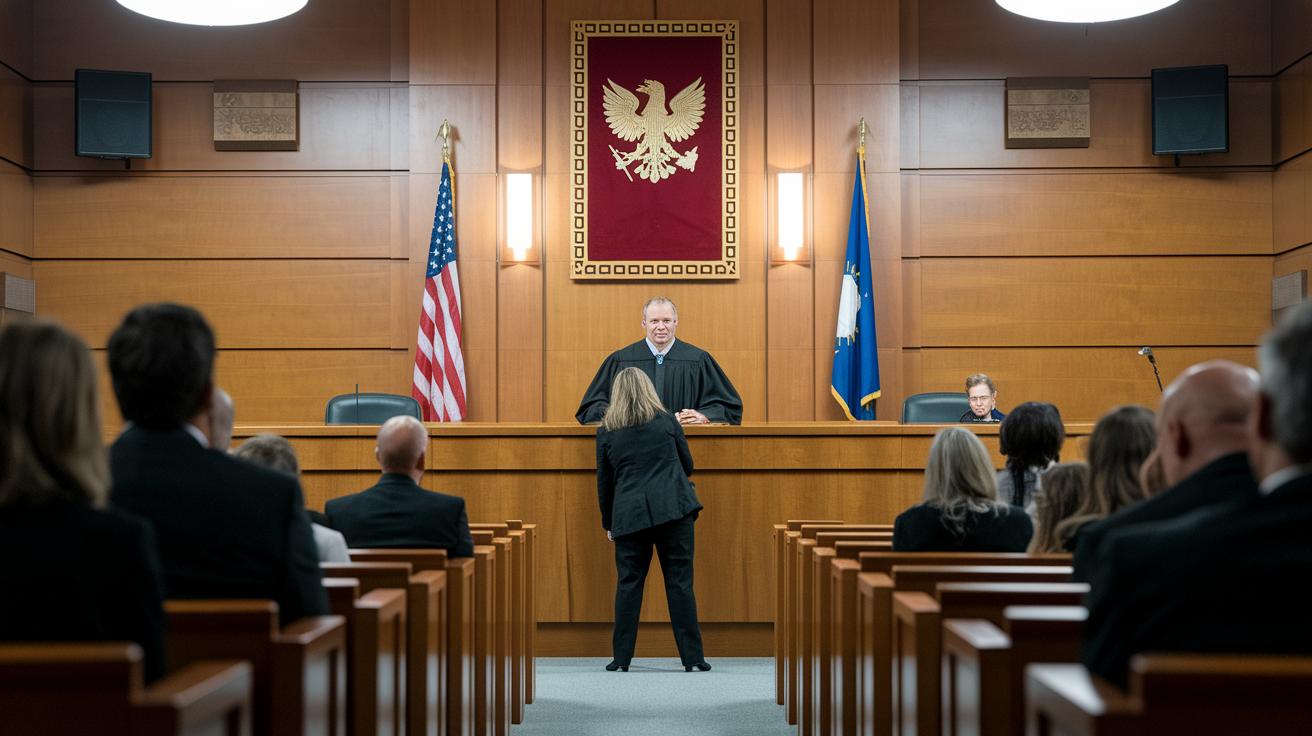
When decisions are guided by clear principles, they become fair and easy to understand. It’s not just about following rules; it’s about treating everyone kindly. For example, in traffic court, offering an interpreter shows respect by helping someone share their side. Here are four main ideas, along with practical examples:
- Treating people with dignity and respect – This means greeting everyone with courtesy. For instance, if a courtroom staff member welcomes you with a warm smile, it sets a kind tone.
- Demonstrating trustworthy motives – Acting honestly and being clear about what will happen. Think of a judge who explains how evidence will be checked, which makes everyone feel confident.
- Maintaining neutrality through unbiased decisions – Making decisions without showing favoritism. Picture a mediator who listens to every side; it assures everyone that the process is fair.
- Providing individuals a voice in the process – Ensuring every person is heard. When an interpreter helps someone speak up, it lets them actively participate.
Together, these ideas build a system that people view as fair, which helps create trust and encourages everyone to follow the rules.
procedural justice lights the way to fairness
Procedural justice is making a real difference in many areas. In workplaces, political groups, and even courtrooms, fair methods act like a guiding light, building trust and getting people to work together. When employees feel like they can share their thoughts, they become more engaged and create a friendlier work environment. And in political groups, fair and clear decision-making makes everyone feel important, which builds strong loyalty. In courts, open processes help people understand the reasons behind decisions, so even if they don't agree completely, they're more likely to accept the verdict. It’s like having a clear set of directions where everyone gets a say, and every step leads to a fair result.
| Setting | Procedural Element | Outcome Benefit |
|---|---|---|
| Workplace (voice) | Employee participation in decisions | Higher employee engagement |
| Political organization (neutrality) | Unbiased and balanced deliberations | Stronger group loyalty |
| Courtroom (transparency) | Open and clear judicial procedures | Increased verdict acceptance |
These examples show that when fairness is at the heart of how decisions are made, people feel more connected and responsible for the outcome. In settings like administrative hearings and investigative reviews, letting everyone share their voice and sticking to clear, neutral standards brings obvious benefits. This not only improves everyday interactions but also supports bigger efforts to reform systems and widen access to justice. For more details, check out the impact of legal reforms on access to justice at https://humane.net?p=8062.
The Role of Technology and Human Oversight in Procedural Justice

Technology is changing how legal processes work. It speeds things up and makes them more open, so more people can see what’s going on. This technology gives a boost to communities that often miss out on help while smoothing out the legal steps for everyone. But smart computer tools, like artificial intelligence (systems that automatically make decisions), might bring in bias if we don’t watch them closely.
Consider both sides for a moment:
- It opens up legal help for groups that usually have less access.
- It makes the whole system faster and cuts down wait times.
- It brings more clarity to how decisions are made.
- It might bring hidden bias into those decisions.
- It can cause too much trust in automated results.
- It may sometimes undercut the value of human insight.
That’s why keeping a close human eye is so important. Even though technology can make things more efficient and transparent, it can’t replace the careful judgment of a person. Real oversight helps catch mistakes and bias, making sure the tech is only a helper, not a rule-maker. In other words, mixing smart technology with thoughtful human review keeps the heart of justice, fairness and respect, alive.
Procedural Justice in Policing and Community Trust
Back in 2020, things changed in Minneapolis, and many people started to see the police in a new light. The protests after George Floyd’s death led to a loud call for change. People began asking for a fairer system and wanted the police to explain how they make decisions. This marked a clear need for police work that earns trust by using open, unbiased methods and listening to everyone’s point of view. Since then, police departments have taken a hard look at how they do things, understanding that fair, well-planned steps can lower tensions and build a shared sense of duty.
- Voice – Letting people and community groups share their worries.
- Neutrality – Making decisions without picking sides by sticking to clear rules.
- Transparency – Keeping the community in the loop about every part of an investigation.
- Accountability – Making sure every action is checked to boost trust.
- Respect – Treating everyone fairly and kindly.
Studies done recently back up these changes. They show that when police use balanced methods, trust and teamwork in the community get a boost. When officers follow fair rules and listen to community input, things tend to feel friendlier and stresses decrease. This new way of working is slowly fixing the bond between the police and the communities they serve, making each step seem fair and respectful.
Research Developments and Future Directions in Procedural Justice
Recent studies are building on the ideas Tyler introduced, while also tackling today’s big challenges like intense polarization and the tricky art of international treaty talks. Imagine a courtroom where global treaty rules mix with local customs, it sets the stage for fresh conversations on what fairness really means.
| Date | Update Focus |
|---|---|
| Jan 2004 | Tyler’s theory |
| Jun 2013 | Theory update |
| Jul 2020 | Tech & oversight |
Policy talks are now mixing these new trends with real-world legal reforms. This means traditional ideas are working side by side with new issues like technology and global influences. Next, if you’re looking to see where procedural justice is headed, check out the roadmap for future legal reforms (https://humane.net?p=8047).
Final Words
In the action, the blog broke down how fair processes build legitimacy in courts, workplaces, and policing. It explained the core ideas behind procedural justice, examined key principles like respect and neutrality, and compared its impact across various settings.
The post also considered how technology and human oversight work together to uphold fairness. Overall, a clear picture emerged that procedural justice not only promotes trust but also empowers legal professionals, ensuring our practices remain both ethical and effective.
FAQ
What is the meaning of procedural justice?
The meaning of procedural justice is that fair rules and methods are used, treating people with respect and ensuring decisions appear unbiased, which helps build trust even when outcomes may not please everyone.
What are the 4 pillars of procedural justice?
The four pillars are voice (giving individuals a chance to speak), neutrality (making impartial decisions), respect (treating everyone with dignity), and trustworthy motives (acting with honest intent).
What is a good example of procedural justice?
A good example of procedural justice is providing an interpreter in court, allowing non-English speakers to fully understand proceedings, which demonstrates respect and ensures a fair process.
How does procedural justice relate to policing?
Procedural justice in policing means that law enforcement uses fair and respectful methods when dealing with community members, ultimately building trust and supporting cooperation between citizens and officers.
How does procedural justice differ from distributive justice?
Procedural justice focuses on the fairness of the decision-making process, while distributive justice concerns how fairly the final resources or outcomes are shared among people.
What is procedural justice in simple terms?
Procedural justice in simple terms is about using clear, fair processes that treat everyone respectfully, so that people feel the decisions are made in a just and unbiased manner.
Is there a PDF available on procedural justice?
There are PDF resources available that outline models and examples of procedural justice, offering clear guides on how fair procedures are applied in legal and organizational settings.
What is the difference between procedural justice and substantive justice?
Procedural justice centers on making decisions through fair processes, while substantive justice deals with ensuring that the end results themselves are fair and equitable.