


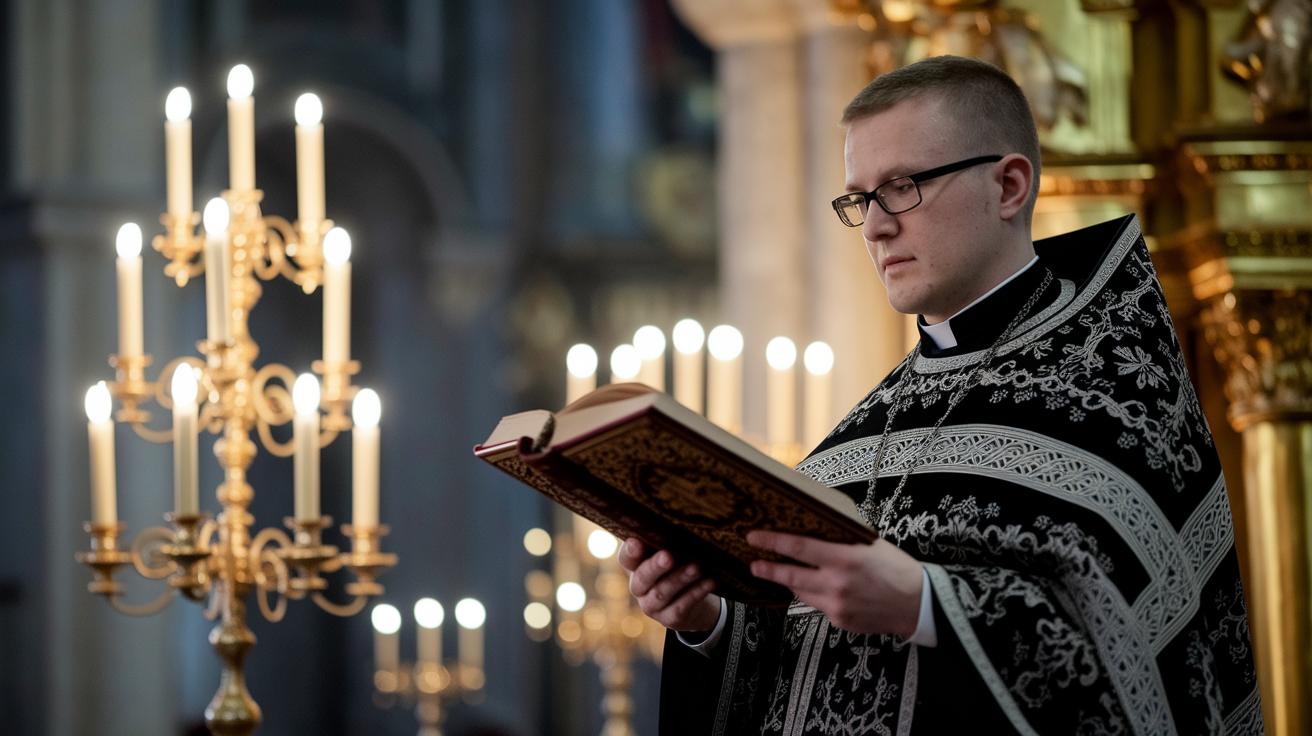
Have you ever wondered if old rules still shape our spiritual lives today? Canon law is not just an old tradition. It works quietly behind the scenes to mix faith with everyday rules, guiding how the Church operates.
This legal framework blends traditions that have been around for a long time with modern practices. It gently creates a sense of order that affects every part of Church life.
When you take a closer look, you can see that canon law keeps Catholic heritage alive while also offering clear, reliable advice for everyday challenges in the Church.
canon law: Celebrating Catholic Heritage and Order
Canon law is the Church’s own legal guide. It uses core beliefs and well-established rules to shape the way the Church works every day. Think of it as a spiritual blueprint that brings together all the different practices and teachings under one organized system.
Unlike everyday laws that help settle civic disputes or protect civil rights, canon law mixes faith with practical rules. It’s not just about keeping order, it’s about weaving the sacred with the everyday. Imagine it like this: while civil law arranges the steps for running a town, canon law quietly builds and nurtures the inner life of the Church.
Canon law touches every part of church life. It guides how church teachings are understood, how daily duties are carried out, and even how issues of discipline are handled. In short, it explains the reasons behind church practices and shows how age-old traditions can still meet modern challenges.
Historical Evolution of Canon Law

Medieval canon law slowly emerged as Church legal practices started mixing local traditions with ideas borrowed from Roman law (the legal system of ancient Rome). One big moment was Gratian’s Decretum (around 1140). Many experts see it as the first real effort to gather and explain Church laws in an organized way. This work brought together different legal customs and laid the groundwork for future legal codes. It’s fascinating to see how Roman legal ideas helped shape canon law, much like how those old ideas even influence modern legal systems today.
The 1917 Pio-Benedictine Code was another major turning point. On May 27, 1917, Pope Benedict XV introduced this comprehensive set of laws for the Church. It clearly set out rules and structures for Church governance, uniting centuries of legal decisions into one clear system. This allowed Church leaders to use the same standards everywhere.
Later on, scholars have taken a fresh look at these early texts and the 1917 Code in works like Ministerium Iustitiae Volume II. These studies remind us that medieval legal ideas still matter today and show us how canon law has neatly evolved over time. Even now, as canon law impacts Church teachings and management, its long history helps us understand how it works in our modern world.
Structure and Sources of Modern Canon Law
Canon law these days mixes old traditions with modern legal thought. Imagine a law that isn’t from just one place but is woven together from many parts of history. Today’s Code of Canon Law is built on teachings from holy texts and rules that have been followed for centuries. It includes passages from scriptures that offer both moral advice and legal direction, along with the decisions made by church councils. This mix gives the Church a legal framework that feels both rich in history and useful in everyday life.
Canon law experts work hard to make sure every rule is easy to understand by giving clear, step-by-step explanations (exegesis means a detailed explanation). They also know that customs, when followed over a long time, can have the same power as written laws. This approach helps keep the interpretation and application of church rules steady and clear. By bringing together different sources, the Church makes sure its legal system works well and makes sense. The main sources include:
- Scripture (for example, books like Deuteronomy and collections called Decretals)
- Apostolic Constitutions
- Papal Letters and Bulls (official letters from the Pope)
- Ecumenical Council Decrees (rules set by gatherings of church leaders)
- Canonical Customs
Key Principles and Jurisdiction in Canon Law
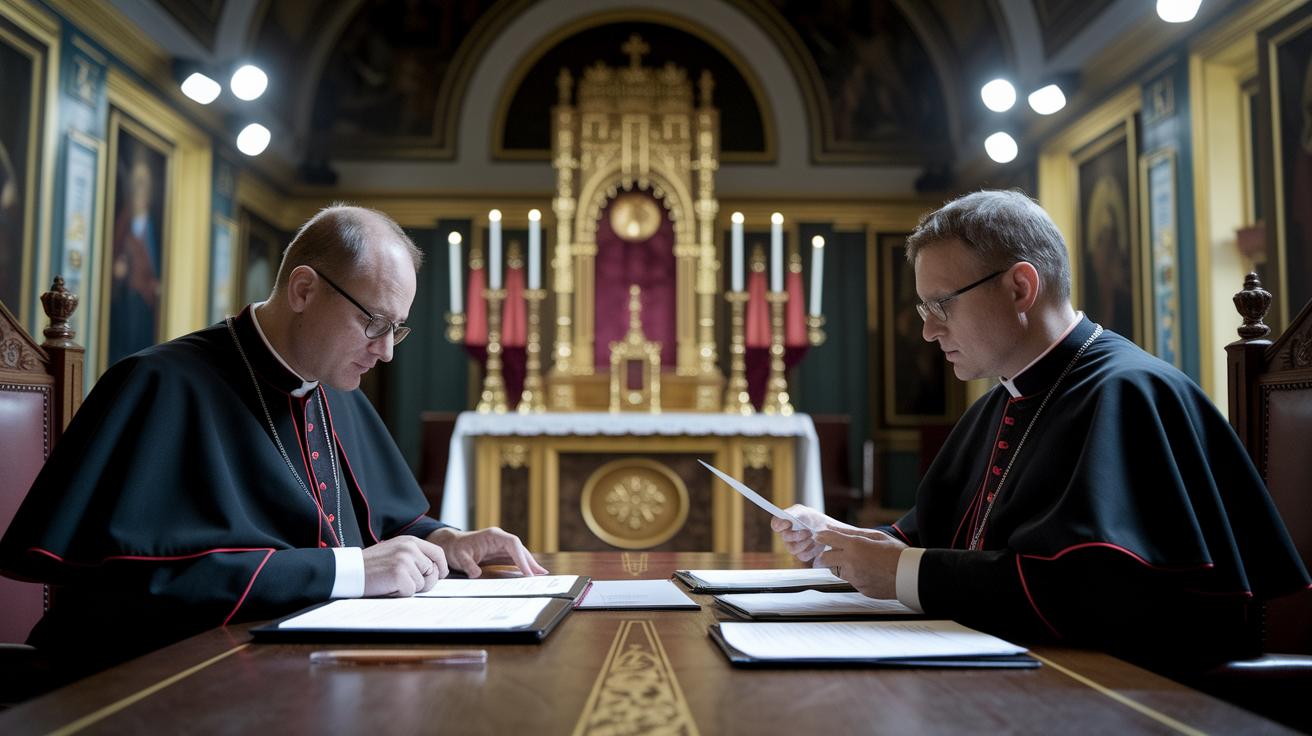
Canon law stands on clear and fair rules that support Church traditions and guide everyday actions. It works like a puzzle where rich religious beliefs meet solid legal steps. Decisions by the Roman Rota (a top church court) serve as trusted examples, showing how these rules apply across the Church. In short, this system is more than written texts, it sets up an ethical guide for both church officials and regular members.
In this framework, power comes from a series of courts, each with its own role. Local issues are first handled by diocesan tribunals. When matters get bigger, they move up to metropolitan courts and finally to the Roman Rota. Every level has its own responsibility, making sure disputes are settled fairly while keeping Church teachings in mind. This step-by-step setup ensures that even small and large cases are managed with true doctrinal care.
Canon law also reaches into the everyday world of civil rules. While canon law deals with faith-based matters and church discipline, civil law focuses on daily life. For a closer look at how these systems differ, you might check out a guide on comparative legal systems. Overall, the approach of canon law blends community values with a sense of divine direction, setting it apart from the way rules work in secular courts.
Canonical Procedures and Church Governance
The Church has set up clear paths for anyone who wants to challenge decisions and ask for another review. Church lawyers (canonists, who are experts in church law) are key in this process; they help people balance strict church rules with fairness in everyday practice. For instance, a canonist might say, "Think of every step as a puzzle piece – put them together to create a fair decision." These channels let people bring disputes, like marriage annulments or problems with wedding unions, to higher courts as described in procedural law.
Local bishops, regional leaders, and even the Holy See keep a close watch on these processes, making sure the decisions honor both spiritual values and legal standards. Church leaders carefully oversee tribunal procedures to ensure that the review process stays true to tradition while meeting practical legal needs.
| Tribunal Level | Jurisdiction | Example |
|---|---|---|
| Diocesan Tribunal | Local Church issues | Marriage annulments |
| Metropolitan Tribunal | Regional disputes | Inter-diocese appeals |
| Roman Rota | Appeals on major cases | Complex ecclesiastical disputes |
| Apostolic Signatura | Highest judicial review | Canonical appeals processing |
Practical Applications and Contemporary Relevance of Canon Law
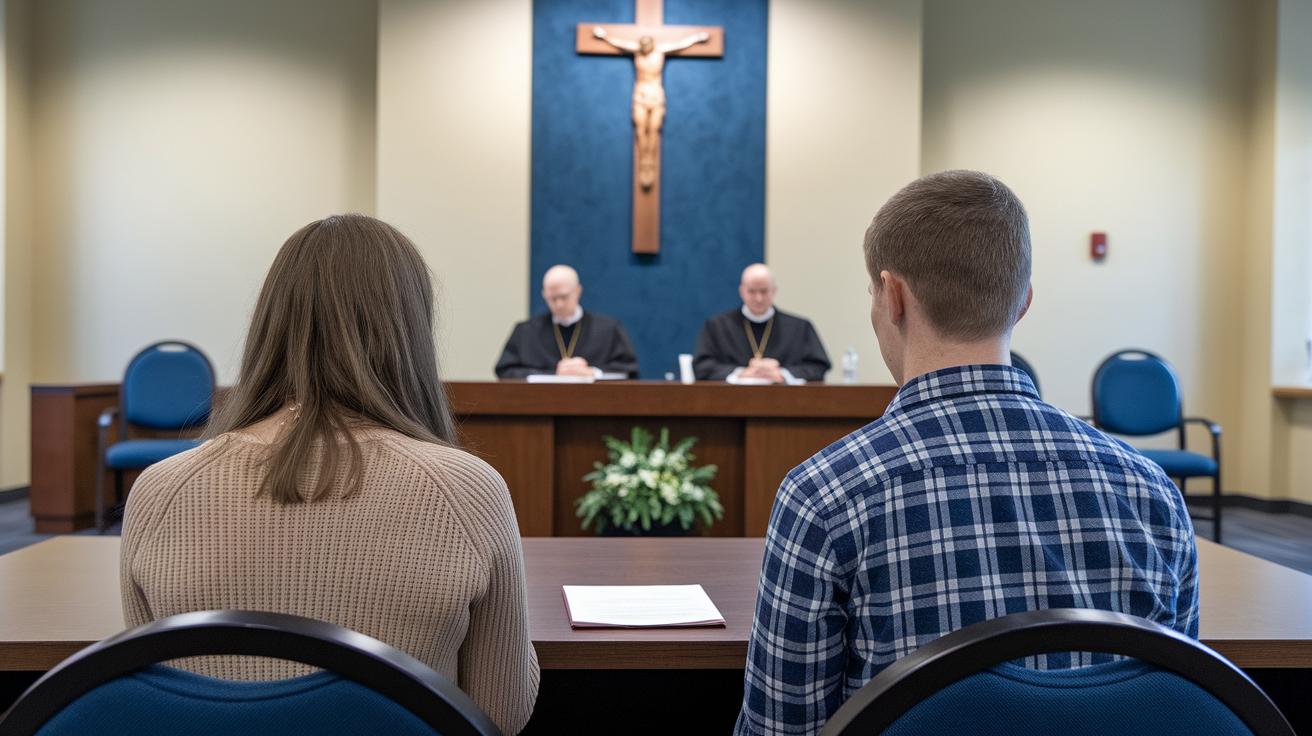
In many local parishes, canon law guides how annulments are handled and helps settle conflicts. When couples seek an annulment, church tribunals carefully review the facts to see if a marriage met all the key requirements. This step-by-step approach not only fixes marriage disputes but also addresses deeper spiritual issues. You might even hear a parish panel say, "We piece together each detail like a puzzle, making sure nothing is missed."
Canon law also lays out clear rules for clergy discipline and parish management. These guidelines help sort out problems among church staff and leaders by mixing legal checks with caring support. Church lawyers use these rules to guide decisions with open and simple procedures. As someone might put it, "Every ruling is placed like a brick in a solid building, ensuring stability and fairness." This setup supports both spiritual growth and daily church operations.
More schools and job opportunities today show that canon law still matters. People interested in this field can study full-time at Catholic University or enjoy flexible online classes at St. Paul University. These programs offer hands-on training in church law through real-world case studies and mentorship. Imagine a student saying, "My studies blend theological insight with legal practice, getting me ready for work in Church law." This really captures the promise and relevance of the field.
Final Words
In the action, this article broke down canon law by outlining its foundations, evolution, and modern structure. We covered how the church’s legal framework mixes theological principles with formal procedures to guide doctrine, discipline, and everyday practice.
We also highlighted how key legal principles and court structures shape both administrative policies and career opportunities in the field. This overview reminds us to embrace each new legal insight with confidence and optimism.
FAQ
What is a canon lawyer?
A canon lawyer is a legal expert who works with the Church’s legal framework, guiding the application of ecclesiastical rules and legal procedures in various church matters.
What are examples of canon law?
Canon law examples include regulations on marriage validity, Church discipline, and administrative procedures that govern doctrine and practice within the Catholic Church.
Where can I find a canon law PDF?
A canon law PDF is a digital version of the Church’s legal codes and guidelines, often available through official church websites or academic resources dedicated to ecclesiastical law.
What is the canon law of the Catholic Church?
The canon law of the Catholic Church is the official legal framework that guides ecclesiastical practice and doctrine, outlining procedures, discipline, and administrative rules for Church governance.
What is the Code of Canon Law?
The Code of Canon Law is a formal compilation of ecclesiastical rules used to regulate the Church’s procedures, doctrinal teachings, and disciplinary measures within its religious community.
How does canon law differ from common law?
Canon law differs from common law by governing church affairs using theological principles, while common law provides the legal framework for secular issues in everyday civic life.
What is canon law marriage?
Canon law marriage refers to a recognized union under Church law, involving specific ecclesiastical procedures, regulations, and potential grounds for annulment when the marriage does not meet sacred criteria.
What does canon law mean in simple terms?
Canon law in simple terms is the set of rules and regulations that manage Church teachings, conduct, and administrative procedures for Catholics, helping maintain religious order and discipline.
What are the 7 laws of the Catholic Church?
The term “7 laws of the Catholic Church” typically summarizes a basic version of canonical statutes that guide Church doctrine, though detailed canonical codes are more complex and expansive.
What is the 33 Code of Canon Law?
The “33 Code of Canon Law” refers to a specific numbered section or system used in historical or simplified teachings, yet it is not a standard reference in the formal compilation of Church law.
Are Catholics bound by canon law?
Catholics are bound by canon law in matters of faith, sacraments, and church governance, which shapes how members participate in religious practices and adhere to doctrinal standards.