




Wondering if an 18-year-old and a 16-year-old can date without legal trouble? You might be surprised by how much local rules can change the answer. In some areas, the law allows a small age gap without issue, while in other places, any such relationship can run into serious problems.
Next, let’s break down what the age of consent means (the age when someone can legally agree to a relationship) and look at how different states set their limits. This explanation uses everyday language to help you see what is allowed and what might cross the line.
Legal Determination: Is 18 and 16 Legal Under Age of Consent Laws?

In many places, whether a relationship between an 18-year-old and a 16-year-old is legal depends on local rules about age of consent. These rules tell us how old you need to be to agree to sexual activity, and they vary a lot from one area to another. In some regions, the law says it's okay if the age of consent is 16 or lower. In others, there are close-in-age rules that let younger teens date older teens if the age difference is small. But in some areas, any sexual activity with a 16-year-old might be seen as statutory rape (a legal term for engaging in sexual activity with someone below the legal age) because 16 is below the age allowed by law.
Here are some basic points to keep in mind:
- Allowed when the age of consent is set at 16 or lower.
- Allowed if there are close-in-age rules (for example, if the age gap is three years or less).
- Not allowed in places where 16 is below the legal age, meaning it could be treated as statutory rape.
Because each state or region can have its own rules, it’s really important to check the local laws carefully. Looking up the current rules and talking to a local lawyer can help make sure you understand all details, including the nature of the relationship and any power differences that might be at play.
State-by-State Variations in 18 and 16 Consent Policies
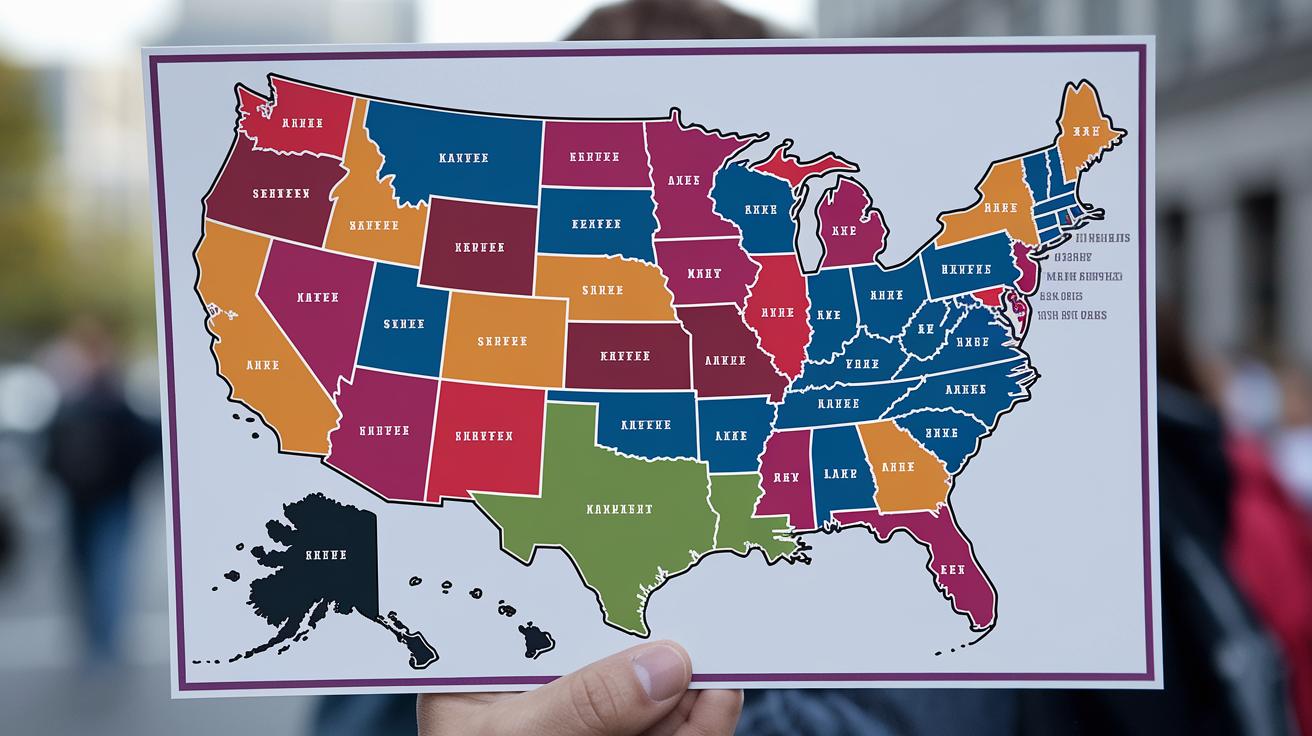
Age rules for consent can change a lot from state to state. Some states set the age at 16 with no special exceptions, while others require someone to be 17 or even 18. Many places allow a small age difference between partners. For example, in a state with a three-year gap rule, an 18-year-old and a 16-year-old might legally be together if other conditions are met. Each state makes these rules to protect young people while still understanding how real-life relationships work.
| State | Age of Consent | Close-in-Age Exemption |
|---|---|---|
| California | 18 | No exemption |
| Texas | 17 | 3-year gap |
| Ohio | 16 | No exemption |
| New York | 17 | 4-year gap |
| Colorado | 17 | 4-year gap |
| Florida | 18 | 4-year gap |
Since these laws can vary so much, you should always check your state’s own rules for the most up-to-date details.
Exemptions and Romeo and Juliet Laws for 18 and 16

Romeo and Juliet laws protect young people who are in mutual, consenting relationships when their ages are close. They help keep things simple by avoiding severe penalties if the age gap is small. Think of these laws as a safety net that stops both parties from facing harsh legal consequences when they are nearly the same age.
• Maximum age gap allowed is usually around 4 years.
• Both parties are generally expected to be between 14 and 16 years old.
• The specific sexual acts covered are defined by each state’s law.
• Rules and limits differ from state to state.
• The goal is to keep consensual youthful relationships from being treated as criminal.
Always check your local legal codes to know the exact details and language in your area.
Criminal Consequences for 18 and 16 Relationships

When one person is 18 and the other is 16, things can get legally complicated if one partner is considered a minor (a person below the legal age defined by the state). In many US states, having sex with a minor is taken very seriously. This is often charged as statutory rape (a crime involving sexual activity with someone under the age allowed by law), which is meant to protect young people from being taken advantage of, especially when one person may have more power or influence.
Authorities look at factors such as how mature each person is, the type of relationship they share, and any power imbalances that might exist. The law is focused on stopping anyone from exploiting a minor, even when both people might have agreed to the relationship. The penalties can be severe and might affect future job opportunities, personal reputation, and even free time.
Possible penalties include:
- Jail time ranging from 6 months to 10 years
- Fines between $1,000 and $10,000
- Mandatory registration as a sex offender
- Probation periods from 1 to 5 years
These punishments can vary based on the details of each case and the specific state law. Sometimes, if the court finds that the age difference is small or if both parties truly consented, the case might be treated differently.
Legal Guidance and When to Seek Professional Advice

If you’re wondering whether a relationship between an 18-year-old and a 16-year-old is legal, don’t rely on quick online guides. These snippets can’t replace solid advice from someone who truly knows the law. Local rules can be pretty detailed, and only a qualified attorney can walk you through all the rules, exceptions, and defenses.
Laws often come with tricky language and hidden conditions that might change your rights. Each state sets its own standards, and what works in one place might not in another. That’s why talking to a local lawyer, someone who understands youth rights and the rules about consent, is your best bet.
Here’s a simple plan:
- Look up the relevant state laws.
- Find a lawyer who is experienced in youth consent cases.
- Stick to the advice given by your legal expert.
Seeing a lawyer early on can help you avoid big, unexpected legal problems later and keep you on solid ground with any legal issues that come your way.
Precautions and Special Considerations for 18 & 16 Dynamics

When one partner is 18 and the other is 16, power differences can really influence the relationship. People grow and learn at different speeds, and even a small age gap might mean one person has more life experience than the other. Sometimes, the law even steps in, if you’re under 17, you might need a parent’s permission. Add family expectations and cultural backgrounds into the mix, and it’s clear that these relationships need extra care.
Here are some simple steps to keep in mind:
- Look at both partners’ emotional and mental readiness.
- Check the rules about whether a parent or guardian needs to give permission.
- Keep an eye out for any signs of pressure or influence.
- Respect any family or cultural traditions involved.
- Always put the younger person’s well-being first.
Taking the time to understand these areas helps everyone build a respectful and safe relationship.
Final Words
In the action, this post broke down key issues surrounding whether 18 and 16 legal relationships can work under age of consent laws. We examined consent boundaries, state-specific rules, exemptions like Romeo and Juliet, criminal consequences, and the need for reliable legal guidance. We also touched on personal and ethical considerations in these dynamics. Always check local regulations and consult a qualified attorney. Moving forward, staying informed boosts confidence in discussing legal trends and applying clear insights in practice.
FAQ
Is it legally acceptable for an 18-year-old and a 16-year-old to form a relationship?
The legal status of an 18- and 16-year-old relationship depends on local age of consent laws. In some places, it’s allowed outright or under close age exemptions, while in others it triggers statutory rape laws.
How do state-specific laws affect the legality of an 18- and 16-year-old relationship?
State laws vary widely. Some states allow relationships when the consent age is 16, others require close-in-age exemptions or set a higher age threshold, so outcomes depend on your state’s legal framework.
What are Romeo and Juliet laws and how do they relate to an 18 and 16 pairing?
Romeo and Juliet laws offer exemptions for minor relationships with a limited age gap. They typically define a maximum allowable age difference, a minimum age for both parties, and often focus on preventing criminal charges for consensual relationships.
What criminal consequences might an 18- and 16-year-old relationship have?
If a relationship violates age of consent laws, it can lead to charges such as statutory rape, with potential penalties including jail time, monetary fines, sex offender registration, and probation, depending on jurisdiction and circumstances.
When should individuals involved in an 18- and 16-year-old relationship seek legal advice?
It’s wise to consult a local attorney early on because legal summaries can’t cover every detail. A qualified lawyer will review applicable state statutes, offer guidance, and help protect both parties’ rights.
What precautions should be taken in a relationship between an 18-year-old and a 16-year-old?
Assess factors like emotional maturity, parental consent requirements, potential power imbalances, cultural norms, and overall welfare of the minor. Being well informed helps protect both parties and maintain healthy boundaries.