




Ever wonder if people get THCA in cannabis law all mixed up? THCA is a part of cannabis that, like raw dough waiting to be baked, only makes you feel high when it's heated. Because of this, its legal status becomes a hot topic. The law is simple when THCA stays within allowed limits, but once it changes form, things get tricky. Today, we break down the confusion and share clear insights into cannabis rules, showing why even small details about THCA can make a big difference.
Comprehensive Overview of THCA Legal Status
THCA, or tetrahydrocannabinolic acid, is the natural form of a substance in the cannabis plant that does not get you high until it’s heated (a process called decarboxylation, which turns THCA into THC). Think of it like raw dough, it isn’t ready until you bake it. Because THCA doesn’t cause a high on its own, it often comes up in talks about safe cannabis use and regulation.
The 2018 Farm Bill changed how hemp is defined by saying any cannabis plant with less than 0.3% Delta-9 THC is considered hemp. This rule usually covers THCA as long as the final product stays under that limit. In real life, if you're using THCA, you have to control the conversion process very carefully to ensure the finished product meets hemp standards. You might even hear someone say, "Our process keeps THCA levels safely below federal limits." This shows that they follow strict guidelines.
The Controlled Substances Act (CSA) is still important because it lists which chemicals fall under strict control. Even though THCA can turn into THC, it isn’t considered a controlled substance under the CSA if it stays within hemp limits. This means products made from hemp that pass the required tests have a clearer path at the federal level compared to substances that are directly psychoactive.
Differentiating THCA from THC in Federal Regulations
THCA is the natural, acidic part of cannabis. It stays inactive until it gets heated. This heating step, called decarboxylation (when the acid form changes into active THC), is key. Labs now have improved techniques that can pick up even tiny signs of this change. One lab mentioned, "Our equipment tracks even trace amounts to ensure products remain safe." It’s a sign that science is evolving, and federal agencies are updating how they watch for these shifts.
Regulators are now looking at more than just hemp rules. They focus on the details of how cannabis is processed and tested, aiming to see exactly how THCA turns into THC. New legal views are tightening safety rules, pushing manufacturers to closely watch this conversion. In other words, both the specific chemical differences and the lab techniques used to spot them are now central to meeting federal standards.
- Acid vs. decarboxylated form
- Psychoactive effects (THC vs. THCA)
- Scheduling under CSA
- Detection methods in labs
- Impact on hemp compliance
State Policies and Statute Patterns for THCA

In many states, THCA is viewed as a hemp derivative when the final product carries less than 0.3% delta-9 THC (the main form of THC). Following federal rules, these states regulate THCA just like other hemp items. Both manufacturers and consumers rely on clear, state-specific laws that stress keeping THCA levels well below the limit. One state even explains, "Our guidelines ensure that even if THCA turns into THC, it stays within the safe limit." This clear rule means businesses know exactly what to expect, reducing legal risks.
Some states, however, take a different approach. They might ban THCA entirely or use vague wording in their laws. In these regions, THCA can be completely off-limits or subject to very strict controls. Lawmakers sometimes treat THCA the same as other controlled substances (drugs regulated by law), which leaves room for different interpretations by enforcement agencies. A regulatory memo once said, "The language leaves no doubt that THCA, regardless of source, is not acceptable here," highlighting how strict these areas can be. This lack of clear guidance can make it tough for both manufacturers and consumers to navigate the rules.
Legislators are now debating THCA’s role in cannabis products more than ever. Many feel that new scientific findings and the growing industry demand call for a more thoughtful approach. Some propose rethinking old bans and aligning state policies with federal hemp guidelines. As one representative put it, "We need to reconsider blanket bans as research shows potential for safe, well-regulated THCA products." These lively discussions hint at future changes, blending scientific research and public opinion to shape new laws.
Administrative Framework and Enforcement of THCA Regulations

Federal agencies work hand in hand to keep THCA products safe for everyone. The FDA is busy checking labels on dietary supplements and making sure safety standards are met. At the same time, the DEA (Drug Enforcement Administration, which manages drug schedules) tracks controlled substances and gathers data to spot any odd patterns. The USDA lends its expertise too by licensing hemp growers and checking that farms follow federal rules. One expert shared, "Our guidelines set clear checkpoints for manufacturers to meet, ensuring THCA products stick to safety requirements." This teamwork among federal agencies creates a simple system that explains exactly how THCA should be managed.
State agencies also play a key role in keeping THCA in check. State Attorney General offices inspect products and step in when there are issues. By teaming up with federal bodies, these state regulators handle local rules and make sure THCA products stay within legal boundaries. This two-tiered approach clears up confusion in both making and selling these products, giving businesses and consumers a straightforward picture of THCA regulation.
| Agency | Jurisdiction | THCA Oversight Role |
|---|---|---|
| FDA | Federal | Dietary supplement labeling & safety reviews |
| DEA | Federal | Controlled substance scheduling & intelligence |
| USDA | Federal | Hemp cultivation licensing & compliance |
| State AG Offices | State | Product inspections & enforcement actions |
Medical Exemptions, Research Limitations, and Health Advisories for THCA
Scientists face big hurdles when researching THCA because the chemicals that lead to Δ9-THC are very strictly controlled. This means that even though THCA by itself won’t get you high, it still gets caught up in tough regulations. Researchers have to deal with extra paperwork and tight oversight to prove that their studies meet federal law requirements. One lab even said, "We have to document everything in detail just to study THCA, and that really slows us down."
Some state medical cannabis programs are changing their rules to include THCA in their treatment plans. With special medical exemptions (legal exceptions that allow certain treatments), patients can sometimes access THCA products when other types of cannabis aren’t available or allowed. These programs stick to strict guidelines to keep the THCA within safe limits. One patient shared, "I received THCA under clear state rules, and it helped me manage my symptoms without the unwanted side effects."
On the regulatory side, the FDA and CDC have both issued warnings about THCA products that have not been officially approved. They stress that safety is the top priority and urge consumers not to use products that haven’t passed strict testing standards. One advisory warned, "Non-approved products may carry unknown risks, so it’s crucial to rely on medically-sanctioned sources."
Economic Implications and Market Valuation of THCA Legalization

Thanks to clear laws on THCA, a new market for hemp-derived products is emerging. Experts predict steady growth with a promising annual growth rate over the next few years. Demand for non-psychoactive products is on the rise, which means more items, from tinctures to edibles, are hitting the shelves. One market analysis even mentioned that clearer state rules could boost niche product lines. Manufacturers are now focusing on innovative formulas and strict quality checks to meet high lab testing standards. Investors are watching closely, as the market seems set to expand in both size and value, possibly changing the choices available to consumers and the dynamics among investors.
On the flip side, complex tax rules and supply-chain issues add extra challenges. Variable state taxes, licensing fees, and processing costs mean that businesses often have to rethink their operations. Imagine a scenario where a sudden tax hike forces a manufacturer to quickly adjust their supply chain, that’s the kind of challenge they face. Investors are stepping in to support ventures that can streamline production while sticking to tough regulations. New extraction techniques and updated compliance measures are being used to tackle rising costs. Some industry insiders even say these pressures drive smarter, more efficient business practices. All in all, the mix of regulation, tax policy, and production costs is carving out a fresh space for growth in the hemp derivatives market.
thca legal: Sharp Clarity on Cannabis Regulation
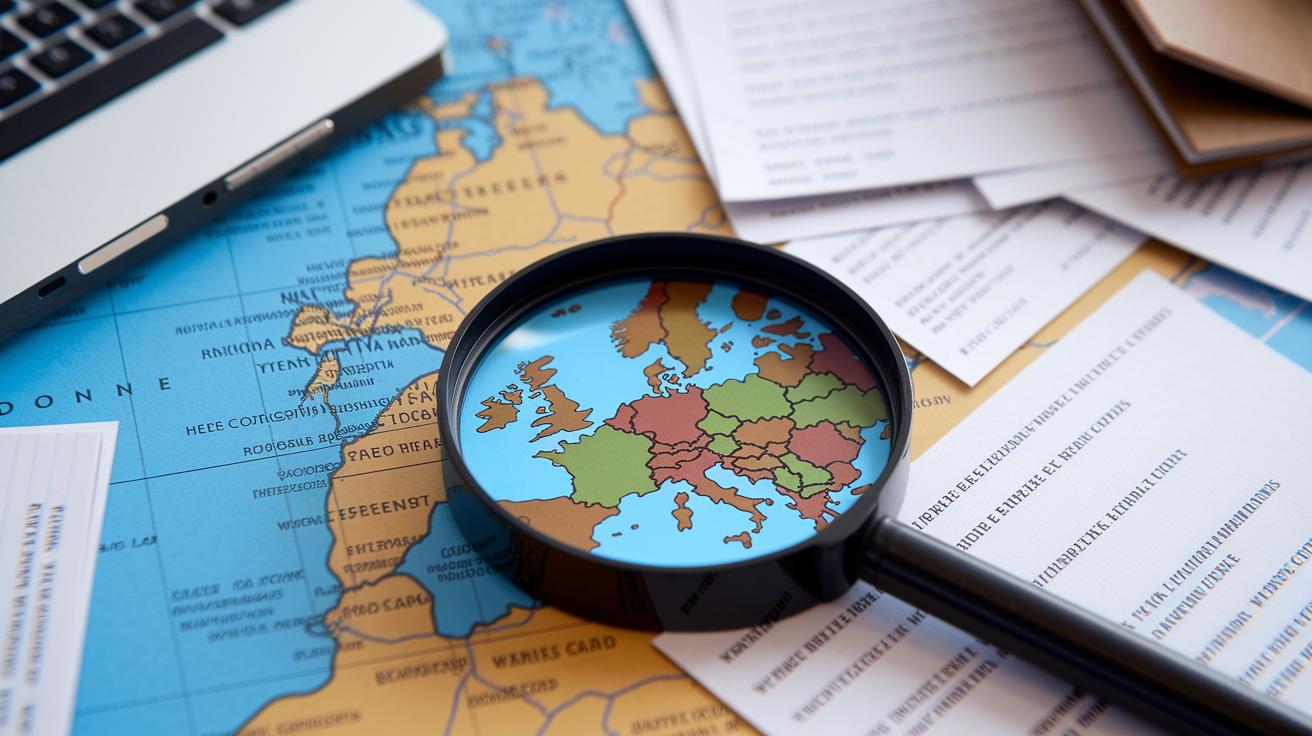
In the European Union, THCA (a compound in cannabis) is regulated under the Novel Foods Regulation. In other words, companies need to prove that THCA is safe before it can be used in any food products. Over in Canada, THCA falls under the broader Cannabis Act. Canadian authorities have laid out clear guidelines that help producers know exactly how to label and market their THCA goods. One producer even shared, "Our team had to adjust quickly when new guidelines clarified how THCA fits under the Cannabis Act," which shows just how fast things are changing in these regions.
In Australia, THCA is treated quite differently. The authorities there slot THCA into a strict scheduling system, which can make international trade more difficult. When each country defines THCA in its own way, shipment delays and confusion at customs become real concerns. For instance, imagine a shipment getting held up at the port because local laws don’t match up with those of another country. This situation really highlights the need for better global cooperation to ensure commerce stays safe and legal, while reducing risks for both businesses and consumers alike.
Judicial Cases, Tribunal Verdicts, and Expert Opinions on THCA
District and appellate court decisions (appellate means a higher court reviewing a lower court's decision) have cleared up many uncertainties about THCA in cannabis regulation. Lately, important district cases have taken a close look at issues like misleading labels and false claims on THCA products. These cases have set a firm example by sticking to strict federal hemp rules while still recognizing THCA’s unique traits. Several higher courts later agreed with these decisions, stressing that both scientific lab results and consumer safety must guide legal checks. One case summed it up well: "A meticulous review of both lab results and legislative intent ensures that THCA products meet legal benchmarks." This shows how careful, evidence-based reviews help create fair and reliable outcomes.
Tribunal decisions (tribunals are panels that review legal matters outside of the traditional court system) have added extra oversight by examining the details of THCA conversion methods. Expert panels looked over producers’ processes using detailed reports and lab test findings to check whether these methods fit our current legal rules. These verdicts reinforced what district and appellate courts had already ruled and highlighted the need for consistent testing standards and clear guidelines. Overall, this blend of decisions helps make the legal landscape more predictable, so both companies and consumers know what to expect for THCA products.
Interestingly, one lawyer remarked, "Experts agree that future litigation on THCA will likely focus on refining testing protocols and ensuring that conversion processes do not exceed legal limits."
Final Words
In the action, we saw how THCA, the non-psychoactive hemp compound, is treated under federal law and state policies. We broke down its definition, federal guidelines from the 2018 Farm Bill, and key differences between THCA and THC. The article also tackled state-specific rules, enforcement roles, and touches on market and international impacts. With clear steps and practical examples, you now have a straightforward view of thca legal matters. Stay positive and keep building on this solid foundation for your legal understanding.
FAQ
What is THCA and how is it defined under federal law?
The THCA legal overview explains that THCA is a non-psychoactive cannabinoid found in hemp. It is governed by federal guidelines, including interpretations of the Controlled Substances Act.
How did the 2018 Farm Bill influence THCA regulations?
The THCA legal status was shaped by the 2018 Farm Bill, which defined hemp as having less than 0.3% Δ9-THC, indirectly affecting the treatment of THCA as a hemp derivative.
How do federal regulations differentiate between THCA and THC?
The THCA legal framework distinguishes between THCA and THC by noting their chemical forms, non-psychoactive versus psychoactive properties, and differences in laboratory detection and scheduling under federal law.
How do state policies and statutes vary for THCA?
The THCA legal overview indicates that some states treat THCA as a hemp derivative if under 0.3% Δ9-THC, while others impose explicit bans or maintain ambiguous rules, influencing local enforcement.
Which agencies administer THCA regulation and enforcement?
The THCA legal framework involves federal agencies such as the FDA, DEA, and USDA, along with state attorney general offices, each tasked with roles from safety reviews and scheduling to licensing and inspections.
What medical research and safety guidelines apply to THCA?
The THCA legal analysis shows that medical research is limited due to scheduling of THC precursors. Certain state medical programs permit THCA use, while federal advisories stress caution with unapproved products.
What economic impacts result from THCA legalization?
The THCA legal market is influenced by investor interest, taxation models, and supply-chain issues. These factors affect market valuation and shape economic opportunities for hemp derivative products.
How do international laws compare with US regulations on THCA?
The THCA legal outlook differs worldwide; for example, EU and Canadian frameworks address THCA differently than the US, while Australia faces challenges over smuggling risks due to varying legal standards.