


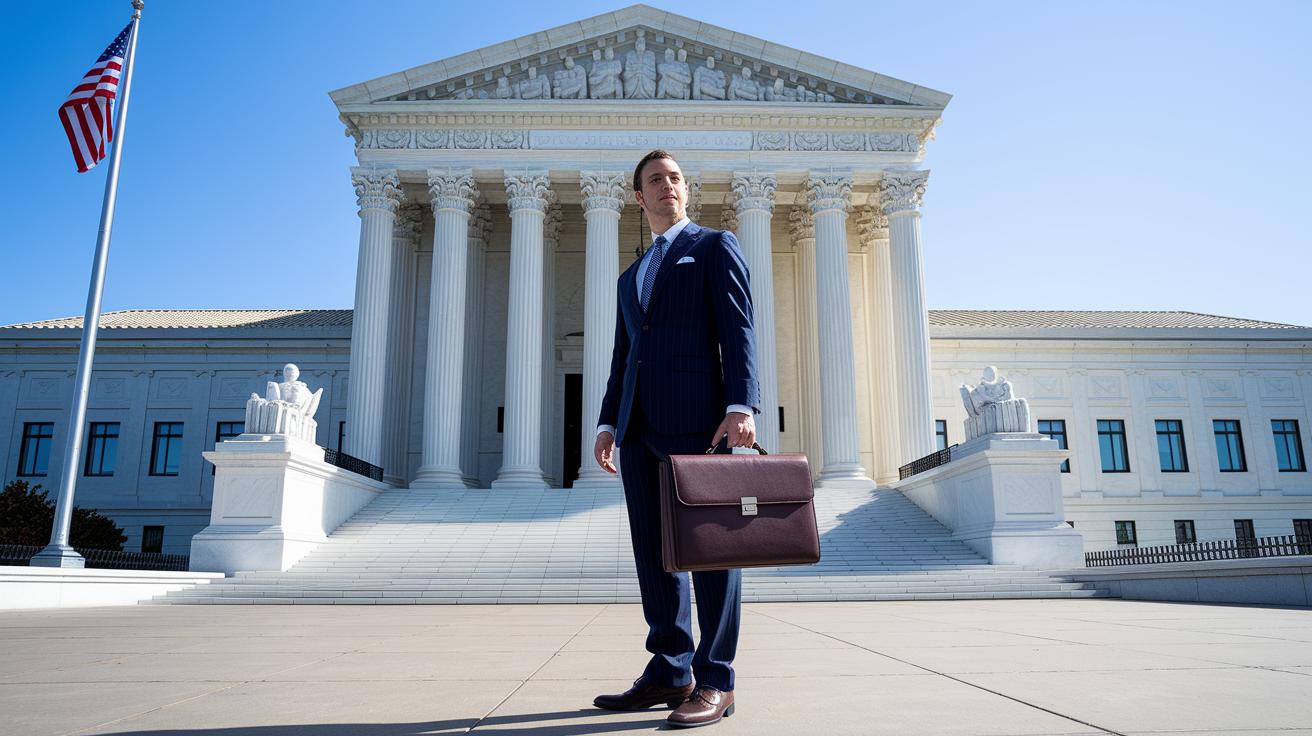
Have you ever thought about how your outfit might boost your legal success? A crisp suit and a neat shirt do more than just follow the dress code. They can lift your confidence and earn respect from judges, clients, and colleagues alike.
Dressing smart sends a clear message about your reliability and professionalism. In this post, we break down how simple wardrobe choices can build your case step by step. Ever wonder if a well-chosen outfit could be your secret advantage in court or the office? Read on to find out.
Lawyer Attire Essentials: Courtroom and Office Dress Code
When you're stepping into a courtroom, your outfit does the talking. A smart, tailored suit in shades of medium or dark gray, navy, or black paired with a crisp dress shirt instantly shows confidence and readiness to tackle serious legal work. It builds trust with judges, clients, and colleagues by letting them know you mean business.
Back at the office, you might have a bit more leeway, but looking sharp is still key. A neat wardrobe that meets your firm's dress code not only boosts your self-assurance, it also sends a clear message that you respect both legal traditions and today’s work standards.
- Dark-tone suit
- Crisp white or light pastel shirt/blouse
- Conservative tie or scarf
- Closed-toe leather shoes
- Matching leather belt
- Subtle cufflinks or stud earrings
- Neutral hosiery for skirts
Every piece of your outfit plays a role in enhancing your professional image. Whether you’re arguing a case in court or discussing strategy with your team, each wardrobe choice acts like a tool in your kit, reinforcing your credibility and earning you the respect you deserve.
Attorney Formal Wear Standards: Suits, Shirts, and Shoes

Start with a well-tailored suit in navy, black, or a soft gray. Choosing worsted wool (a smooth, durable fabric) not only helps you handle various climates but also gives you a polished look that feels as dependable as a cherished family heirloom. When your suit fits just right, it’s like powering up your decision-making engine.
Next, pick a crisp dress shirt in white or a light pastel shade. This simple choice acts as a clean backdrop, letting your style shine without distractions. A neatly pressed shirt works wonders in highlighting your suit's fine details.
And don’t forget your shoes and accessories. Men can choose classic Goodyear-welted black cap-toe oxfords, while women might opt for closed-toe pumps or flats with a modest heel. Matching your tie and belt to your shoes brings everything together so each part of your outfit speaks clearly to the high standards of the legal profession.
Business Casual vs Formal Lawyer Dress Code
In many modern legal offices, more lawyers are choosing a business casual style. Many firms now let lawyers wear slacks or chinos with a smart blazer and an open-collared shirt, no tie needed. This relaxed look works great on ordinary office days and during internal meetings, making everyone feel comfortable and boosting morale. Sometimes even jeans can be acceptable, as long as they keep the overall polished look clients expect when they visit.
But when it comes to the courtroom or formal client meetings, lawyers still stick with a formal dress code. Tailored suits paired with collared shirts create a strong, capable look. It’s best to keep accessories minimal so nothing distracts from the professional image. Matching the dress code to the firm’s culture and client expectations helps lawyers show they mean business.
Seasonal Fabrics and Styling in Lawyer Dress Code
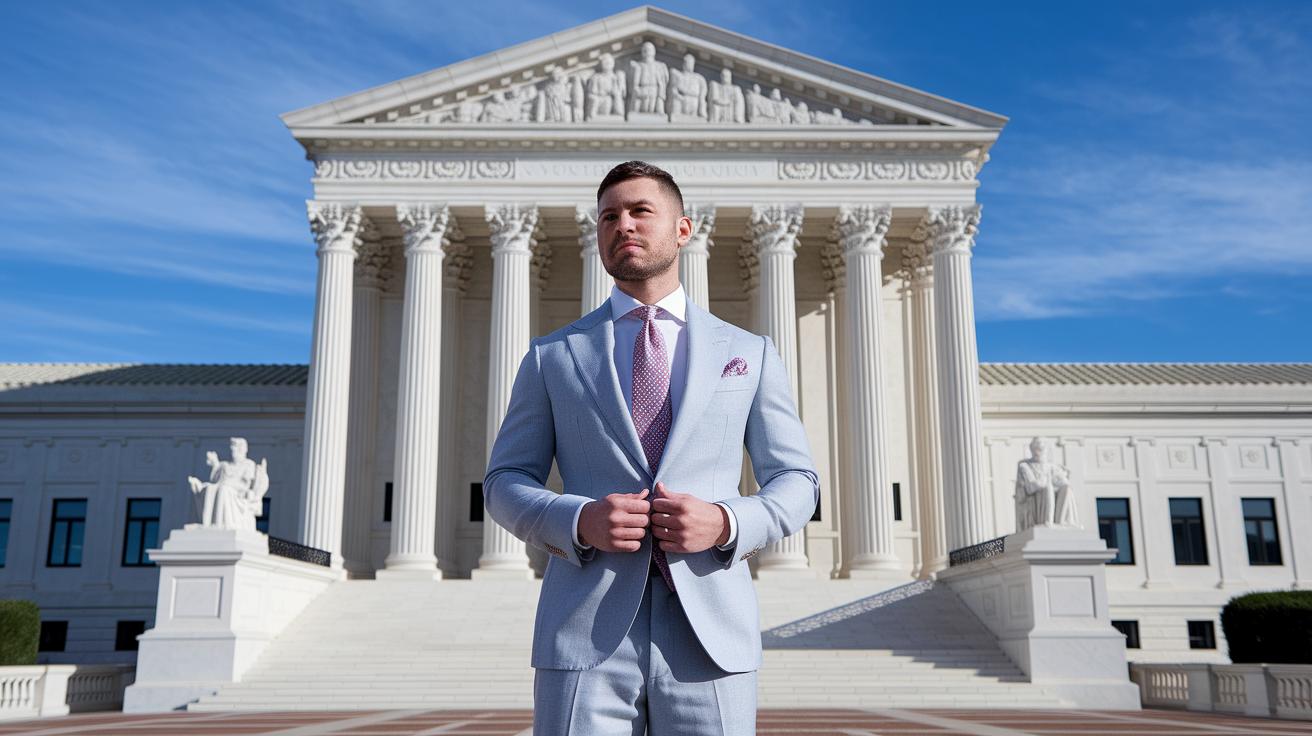
Dressing well for the season is key to feeling comfortable and looking sharp in court. In hot weather, choose light fabrics like linen blends and cotton in cool colors such as gray or navy to help you stay calm and collected. When the cold hits, wool or flannel suits teamed with overcoats, scarves, and gloves in neutral tones keep you warm and elegant. During milder months, medium wool blends and clever layering with items like vests or cardigans can help you handle changing temperatures with ease.
| Season | Fabric | Optional Accessories |
|---|---|---|
| Summer | Linen blends, cotton | Unlined blazer, lightweight scarf |
| Winter | Wool, flannel | Overcoat, wool scarf, leather gloves |
| Transitional | Medium wool blends | Vest, cardigan, lightweight tie |
Picking the right fabrics and accessories shows your dedication to a neat, flexible style, making a strong impression in every legal setting.
Gender-Specific Guidelines in Lawyer Dress Code
Male Counsel Dress Standards
For male counsel, it’s best to stick with a classic suit paired with matching trousers and a neat collared shirt. You want to choose a deep-colored tie and avoid bowties or flashy patterns. A simple watch, understated cufflinks, and a leather belt that matches your shoes add those final touches to pull everything together. Think of your tie knot as that final brushstroke, making your entire look clean and professional.
Female Attorney Dress Style
Female attorneys can opt for a tailored pantsuit or a skirt suit teamed with a conservative blouse in neutral colors. If you choose a skirt, wearing neutral stockings is a good idea, and closed-toe shoes with low or moderate heels keep your style both smart and comfortable. Simple accessories like small earrings can finish the look without drawing too much attention away from your overall professional appearance.
Regional and Cultural Variations in Lawyer Dress Code
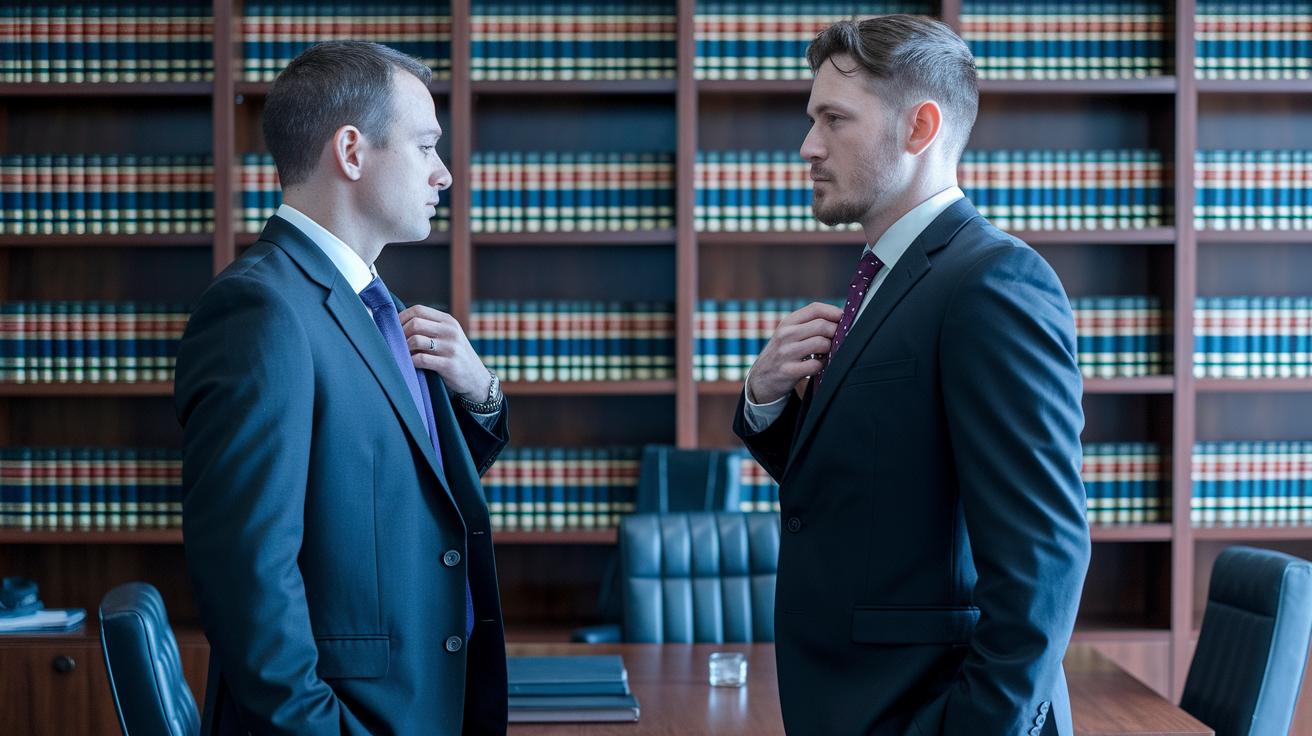
In the United States, most lawyers stick to neat, dark suits and simple accessories. They pick these colors to show they mean business whether they’re in a courtroom or at the office. This style helps set a serious, uniform tone that everyone recognizes.
In the United Kingdom, barristers (lawyers who represent clients in higher courts) follow a long-standing tradition by wearing robes and wigs when in court. Underneath, they wear a smart dark suit with a white collar band. This mix of old customs and modern style highlights the unique legal culture across British courts.
Over in Continental Europe, there’s a bit more room for personal style. Although many lawyers still go for dark tones to keep a polished look, they often add subtle touches or patterns. This allows them to show a bit of personality while still following the professional dress standards expected by the courts.
In certain Asian areas, local cultural flavors often influence how lawyers dress. Some opt for outfits that include traditional fabrics or details tied to their region. Even with these unique elements, the overall look stays clean and well-fitted, meeting both local traditions and the international standards of legal professionalism.
Lawyer Dress Code: Smart Style for Legal Success
In the legal world, looking neat really matters. Your fresh haircut, closely trimmed nails, and just a hint of makeup or cologne work together like a silent handshake to show you mean business. After a busy morning in court, a tidy look can boost your confidence and signal clear, steady focus.
Keeping your facial hair either completely clean or trimmed neatly is also important. These small habits build a strong, professional image that supports your presence in every legal setting.
Common Mistakes and Best Practices in Lawyer Dress Code
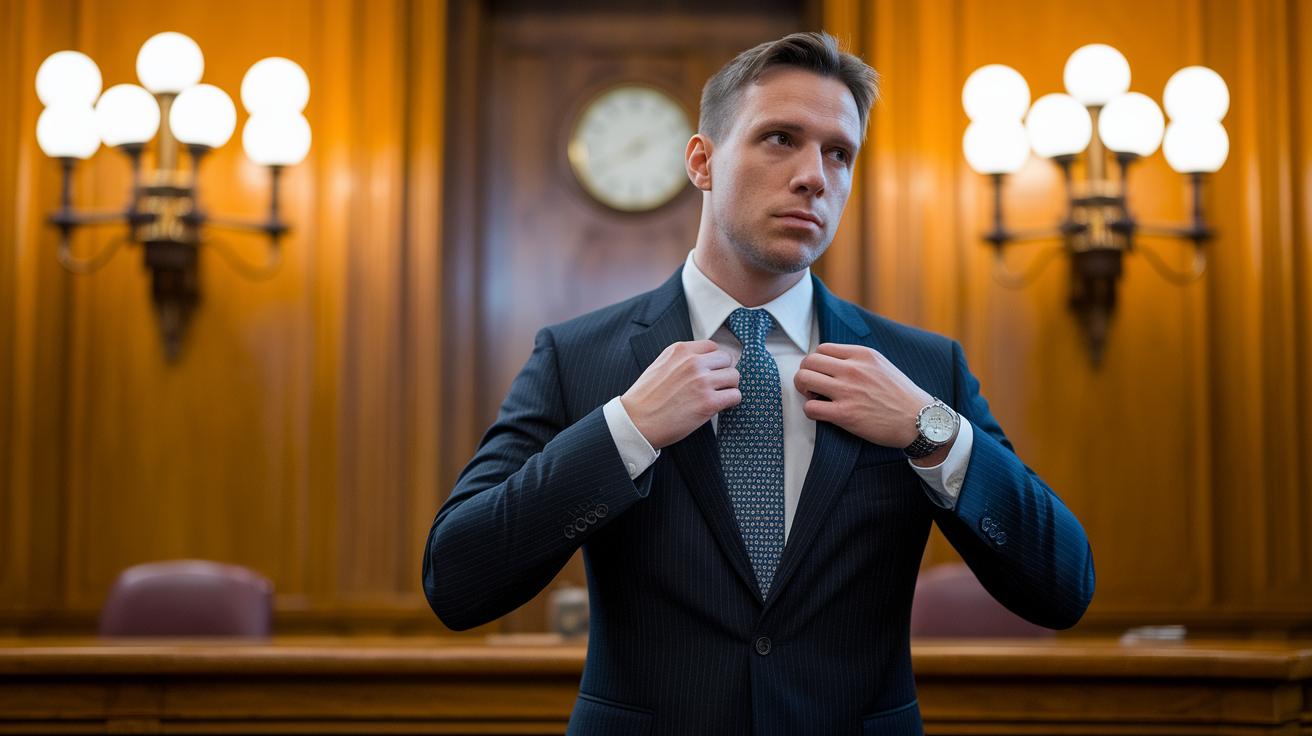
Many legal pros sometimes make choices that weaken their courtroom impact. Wearing clothes that don’t fit well, choosing loud patterns, or using flashy jewelry can take away from a sharp, polished look. And casual footwear like worn-out loafers or sneakers just doesn’t match the formal vibe, signaling that you might be glossing over important details that build trust.
Regular trips to the tailor help keep your appearance on point. Sticking with simple, neutral tones and swapping out your suit sets can refresh your wardrobe while keeping you aligned with your firm’s rules. In short, a timeless and well-kept look not only shows respect for tradition but also reinforces your authority and dependability every time you step into a courtroom.
Final Words
In the action, we broke down key points on courtroom and office attire, from selecting a dark-tone suit, crisp shirt, and conservative tie to understanding seasonal fabrics and regional variations. We examined the differences between formal and business casual looks and touched on gender-specific guidelines, accessories, and grooming tips.
The discussion also helped us pinpoint common mistakes and best practices that build a strong lawyer dress code. Positivity and precision can guide your wardrobe choices while enhancing your professional image.
FAQ
Lawyer dress code female
The lawyer dress code for females typically involves tailored pantsuits or skirt suits paired with modest blouses, neutral hosiery, and minimal jewelry, ensuring a polished and professional image in both courtroom and office settings.
Lawyer dress code male
The lawyer dress code for males involves wearing dark-tone tailored suits with crisp dress shirts, complementary ties, closed-toe leather shoes, and subtle accessories to convey reliability and professionalism.
Corporate lawyer dress code female
The corporate lawyer dress code for women calls for refined attire like tailored pantsuits or skirt suits with conservative blouses, along with minimal jewelry and modest shoes, which promotes a sophisticated and credible look.
Law firm dress code male
The law firm dress code for males requires traditional suits, well-pressed dress shirts, matching ties, and polished leather shoes paired with appropriate accessories to maintain a consistent appearance reflecting competence and trust.
Big law dress code
The big law dress code usually means adhering to strict traditional attire, such as tailored suits in dark hues, crisp dress shirts, and matching accessories, to align with high professional standards expected in elite legal firms.
What do lawyers wear to work joke
The phrase often humorously implies that lawyers adhere to a uniform of conservative tailored suits and polished accessories, which reinforces their serious professional image despite the lighthearted remark.
Casual lawyer outfits men
The casual lawyer outfits for men can include business casual options like well-fitted dress slacks or chinos paired with blazers and open-collar shirts, still maintaining a neat look suitable for less formal settings.
Big law dress code reddit
The discussions on Reddit about big law dress code emphasize strict adherence to traditional formal wear, while also noting that specific firms might allow minor stylistic variations that still uphold the professional image.
What is appropriate to wear as a lawyer?
Appropriate lawyer attire means conservative, tailored suits with crisp dress shirts, modest ties or blouses, and closed-toe shoes to convey authority, competence, and respect in a legal environment.
Do law firms have a dress code?
Law firms generally have established dress codes outlining either formal or business casual parameters, ensuring that all attorneys maintain a consistent professional image that meets the firm’s standards.
Can lawyers wear jeans?
Some modern firms permit jeans on designated casual days; however, lawyers are advised to choose more polished attire like dress slacks for client meetings or court appearances to uphold a professional appearance.
Why do lawyers dress like that?
Lawyers dress in a traditional, conservative style to project professionalism and authority, thereby creating trust among clients and reinforcing the seriousness and decorum required in legal practice.